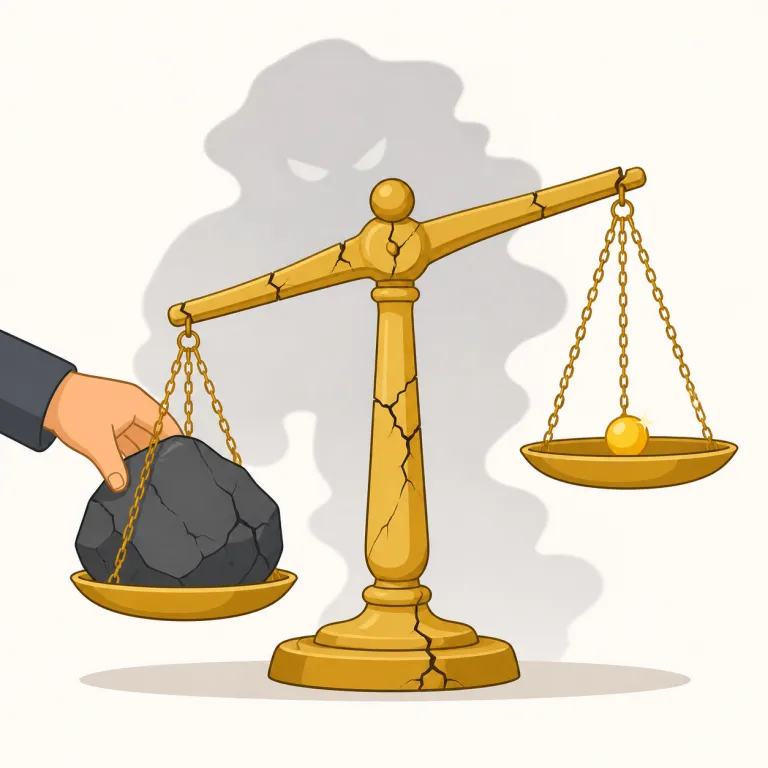
不義
解説 Definition
正義や道徳に反する性質、不正な行為や悪行。邪悪さや不正直さの状態。
Unrighteousness means morally wrong behavior or a lack of fairness, honesty, or goodness. It is often used in religious, moral, or formal writing. The word suggests not only wrongdoing, but also a failure to live by accepted ethical standards.
覚え方のコツ Memory Tip
まず中心の righteous を押さえると覚えやすいです。right「正しい」を含むので、righteous は「道徳的に正しい・義にかなった」。そこに un- が付いて否定、さらに -ness で「性質」になるので、unrighteousness は「正しさが欠けた状態」。単なる mistake や wrong よりも重く、道徳・宗教・法律の文脈で「不義・邪悪さ・不正」をまとめて指す抽象名詞として読むと定着します。
Focus on the middle word `righteous`, which contains the idea of `right`. Then add `un-` for the negative and `-ness` for a state or quality. That structure helps you remember it as a heavy, moral word, often used in religious, legal, or serious ethical contexts.
例文
The unrighteousness of his actions shocked everyone.
彼の行動の不正さに、誰もが衝撃を受けた。
Religious texts often warn against unrighteousness.
宗教的な書物はしばしば不義を戒めている。
She exposed the unrighteousness of the corrupt system.
彼女は腐敗した体制の不正を暴いた。
unrighteousness の類義語・関連語
対義語
派生語
unrighteousness の語源・成り立ち Etymology
un-「否定」+ righteous「正しい、義にかなった」+ -ness「性質」。righteous は古英語 rihtwis にさかのぼり、riht「まっすぐ・正しい」と wis「方法」から成るため、語全体で「正しさがないこと」→不義となる。関連語は right, righteousness。
This word combines `un-`, `righteous`, and `-ness`. `Righteous` comes from Old English `rihtwis`, built from `riht` "right, straight" and `wis` "manner, way." So the word originally meant the state of not being morally right, and it later became a general term for injustice or lack of virtue. Related words include `right` and `righteousness`.
同じレベルの語彙をもっと
外部辞書で調べる
この英単語をクイズで覚えよう