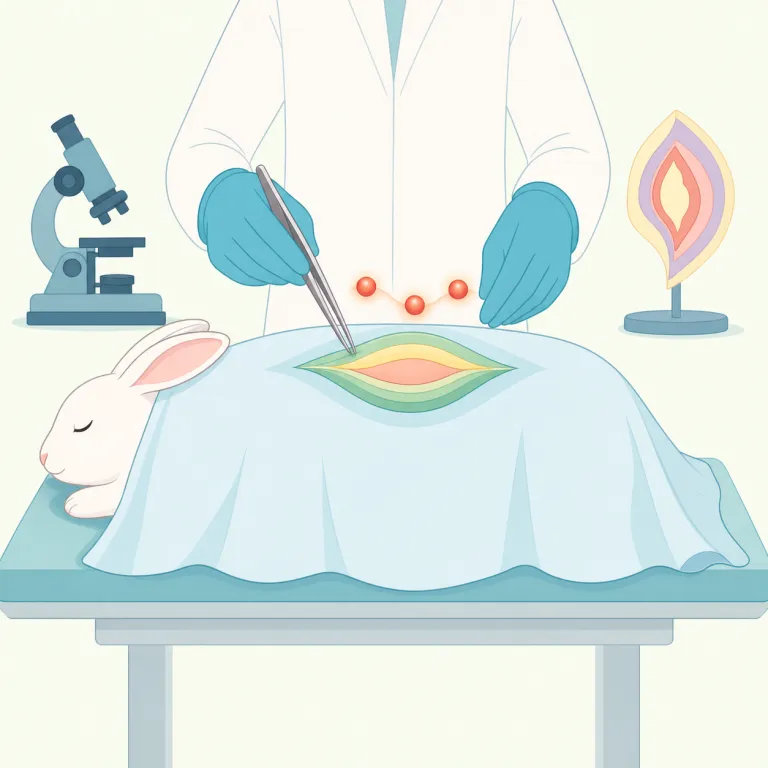
生体解剖
解説 Definition
生きた動物を切開して行う実験や解剖。科学研究のために行われるが倫理的議論がある。
Vivisection is the practice of cutting into a living animal for scientific research or medical study. It is a formal and technical word. People often use it in discussions about animal rights and research ethics, so it can have a strong negative feeling.
覚え方のコツ Memory Tip
まず dissection(解剖)を知っているなら、その「生きたまま版」と覚えると定着します。vivi- は vivid や survive にある「生命」の感じ、-section は section / dissect の「切る」側。だから見た瞬間に「生きた対象を切開する語」だと寄せられます。animal vivisection, oppose vivisection のように、動物実験や倫理論争の文脈で出やすいのも記憶フックです。単なる解剖や手術ではなく、「生体への切開」という重い響きごと覚えると混同しません。
If you know `dissection`, this word is easier: it is the "live" version of that idea. `vivi-` connects with life, and `-section` connects with cutting. Remember it with common phrases like `animal vivisection` and the strong ethical feeling around the word.
例文
The debate over vivisection has intensified as animal rights groups demand a complete ban.
動物の権利団体が全面禁止を求める中、生体解剖をめぐる議論は激化している。
Many countries have introduced strict regulations to reduce the practice of vivisection in laboratories.
多くの国が研究所での生体解剖の実施を減らすために厳格な規制を導入している。
The scientist argued that vivisection had led to crucial medical breakthroughs that saved millions of lives.
その科学者は、生体解剖が何百万人もの命を救う医学上の大きな進歩につながったと主張した。
vivisection の類義語・関連語
vivisection の語源・成り立ち Etymology
フランス語を経てラテン語 vivisectio に由来し、vivi- は vivus「生きた」、-section は secare「切る」から来ます。文字どおり「生きたまま切ること」なので、「生体解剖」の意味が語形そのままに表れています。関連語は vivid, dissect です。
Vivisection came into English through French from Latin vivisectio. It is made from vivus, meaning "alive," and secare, meaning "to cut." The original sense was literally "cutting a living body," which stayed close to the modern meaning. Related English words include vivid and dissect.
同じレベルの語彙をもっと
外部辞書で調べる
この英単語をクイズで覚えよう