だった
解説 Definition
be動詞の過去形で、過去の状態や存在を表す。主語がIまたは三人称単数のときに使う。
The past-tense form of be used with I and third-person singular subjects. It describes a past state, identity, location, or existence and also serves as an auxiliary in past progressive and passive constructions.
覚え方のコツ Memory Tip
現在の am と is を過去にすると was になる、とまとめて覚えると定着しやすいです。I was、he was、the room was のように、主語が一人または一つの場面を意識します。was tired「疲れていた」、was at home「家にいた」など、状態や場所を表す定番の形を音ごと覚えましょう。
Treat was as the past form shared by am and is: “I am tired” becomes “I was tired,” and “She is home” becomes “She was home.” Link it with singular patterns such as I was, he was, and the room was. Practice common combinations—was tired, was at home, and was funny—to remember that it describes a past state, location, or quality. Contrast it with were, which normally follows you and plural subjects. Was is an irregular form of be, not a regular verb ending in -ed.
例文
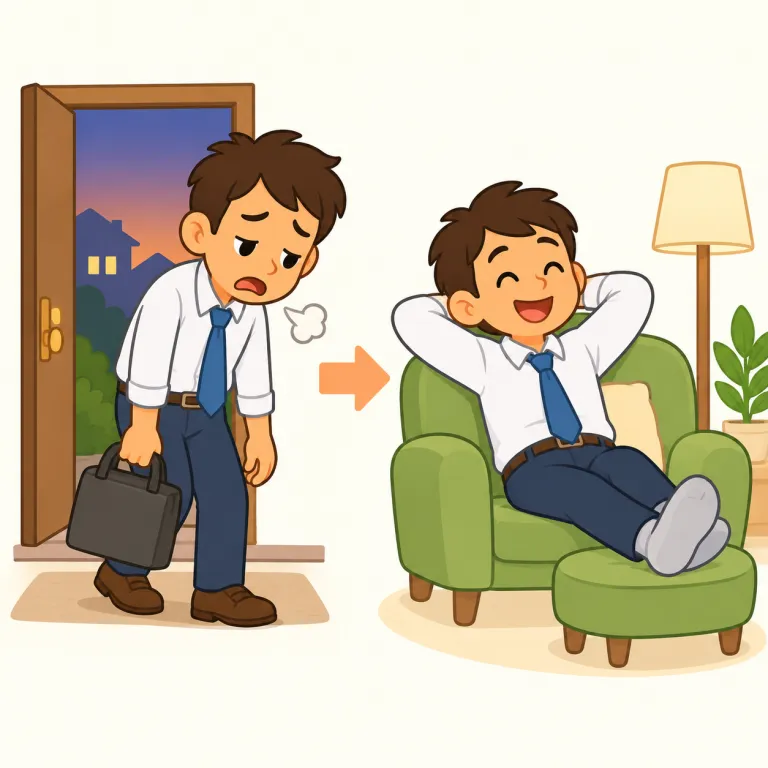
I was tired after work.
仕事の後は疲れていました。
She was at home yesterday.
彼女は昨日、家にいました。
The movie was very funny.
その映画はとても面白かったです。
was の類義語・関連語
紛らわしい語
was の語源・成り立ち Etymology
古英語の be 動詞の過去単数形 wæs に由来します。現代英語では am と is に対応する過去形として残り、I、he、she、it、および単数名詞を主語に取ります。be 動詞は異なる古い語形が合流した不規則動詞です。
Was descends from Old English wæs, a singular past form within the highly irregular verb now represented by be. Forms of be developed from several ancient verb stems that merged over time, which explains why be, am, is, and was look so different. In modern standard English, was serves as the indicative past form used with I and third-person singular subjects.
同じレベルの語彙をもっと
外部辞書で調べる
この英単語をクイズで覚えよう