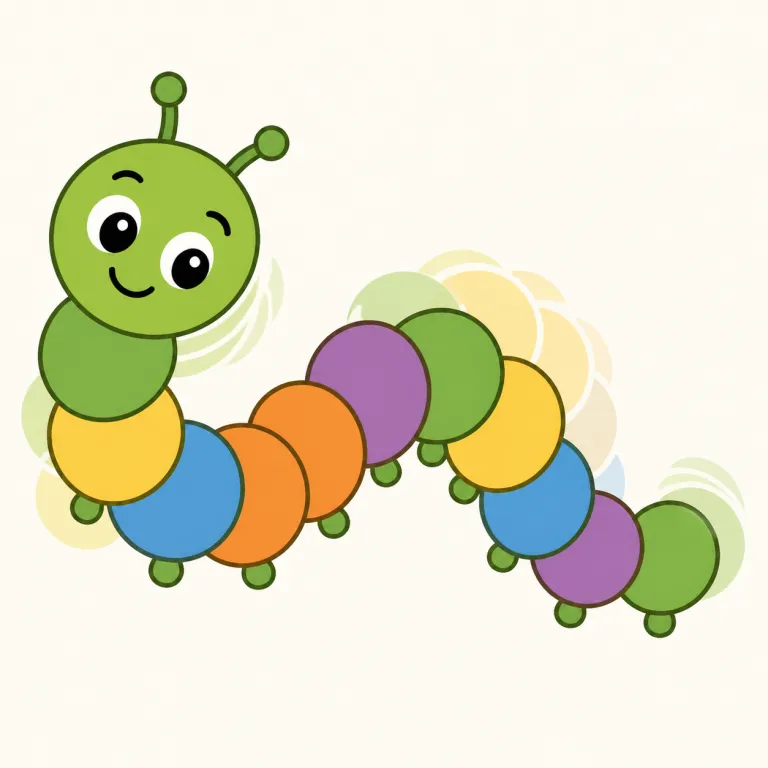
wiggle
wiggle は英検1級レベルの英単語で、「もぞもぞ動く、くねくね動く」という意味があります。発音記号は /ˈwɪɡəl/ です。
もぞもぞ動く、くねくね動く
解説 Definition
体や物を小さく繰り返し動かすことを表す語。落ち着かずにもぞもぞ動く場合にも、虫のようにくねくね進む場合にも使われる。また、物を左右に揺すって少しずつ緩めたり外したりする意味でも使う。
To move with small, quick twists or side-to-side motions. It is often used for the body, fingers, or small objects, and it suggests restless or playful movement.
覚え方のコツ Memory Tip
wiggle は「小さく何度も動く」が核。まず big に対する small movement だと捉えると覚えやすいです。walk や move のように進むこと自体より、落ち着かず体をもぞもぞさせたり、細い物をくねくね動かしたりする様子に注目します。wag が大きめに振る感じなのに対し、wiggle は細かく連続的。wiggle your toes, wiggle out a loose tooth のように、少しずつ動かして緩める場面でもよく使われます。
`Wiggle` suggests small repeated movement, not a big move from one place to another. Picture toes, fingers, or a loose tooth moving a little again and again. That image helps separate it from broader verbs like `move` or `walk`.
例文
The child began to wiggle in his seat during the long ceremony.
長い式のあいだ、その子は席でもぞもぞ動き始めた。
She watched the worms wiggle across the garden.
彼女は、ミミズが庭をくねくね進んでいくのを見ていた。
He tried to wiggle the door handle loose.
彼はドアノブをぐらぐら動かして外そうとした。
wiggle の類義語・関連語
wiggle の語源・成り立ち Etymology
wiggle は中世オランダ語・中低地ドイツ語系の wigelen に由来し、さらに wiegen「揺らす」にさかのぼります。反復や細かな動きを帯びる -le を含み、「ちょこちょこ揺れる」感じがそのまま意味に。関連語は wag, wiggly。
Wiggle probably comes from Middle Dutch or Middle Low German forms such as wigelen, related to verbs meaning "to sway" or "move back and forth." The ending -le often gives a repeated or small-movement feeling in English verbs. That helped shape wiggle into a word for quick, slight, repeated movement. Related words include wag and wiggly.
同じレベルの語彙をもっと
英検1級の一覧へ →外部辞書で調べる
この英単語をクイズで覚えよう