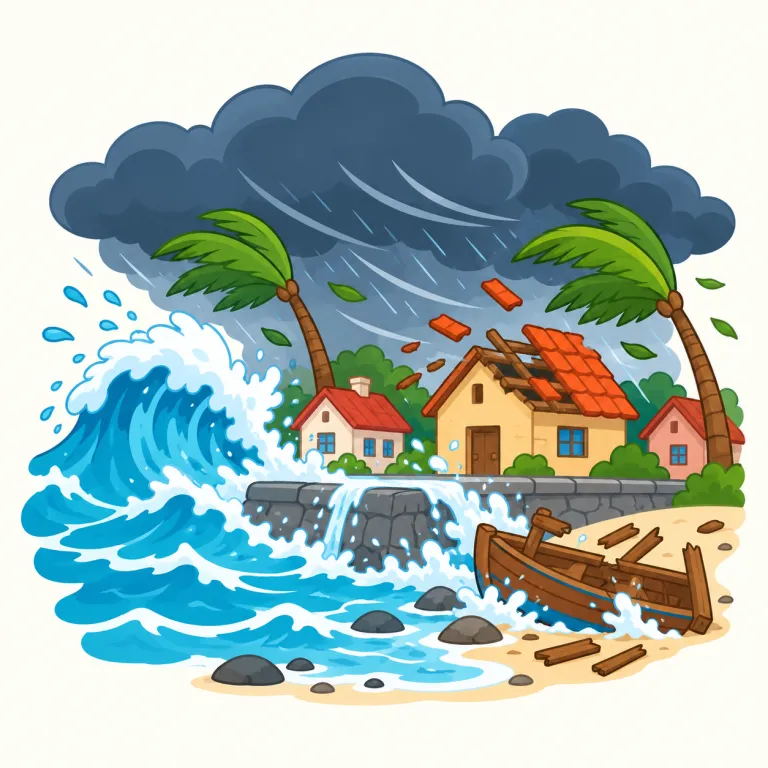
被害をもたらしている
解説 Definition
wreak「損害などをもたらす」の現在分詞・動名詞で、深刻な被害、破壊、混乱を引き起こすことを表します。
Wreaking means causing serious damage, destruction, or disruption, especially over a period of time. It is the present participle or gerund of wreak and is commonly followed by nouns such as damage, havoc, or destruction.
使い方 Usage
- damage、havoc、destruction など、悪い結果を表す名詞を目的語に取ります。被害を受ける対象は on ~で示せます。 The object names a harmful result, such as damage, havoc, or destruction. Use on to introduce the person or thing affected.
- is wreaking、was wreaking のように be 動詞と組み合わせると、被害や混乱を引き起こしている最中のことを表します。 Combine wreaking with be, as in is wreaking or was wreaking, to describe damage or disruption in progress.
覚え方のコツ Memory Tip
wreak に綴りを変えず -ing を付けた形で、発音は /ˈriːkɪŋ/ です。嵐や火災が広く被害をもたらす場面と結び付け、wreaking damage、wreaking havoc のまとまりで覚えましょう。
Add -ing to wreak without changing the spelling: wreaking, pronounced /ˈriːkɪŋ/. Picture a storm or fire causing widespread harm, and learn the chunks wreaking damage and wreaking havoc.
例文
The storm is wreaking serious damage along the coast.
その嵐は沿岸部に深刻な被害をもたらしています。
The storm is wreaking havoc on the town.
その嵐は町に大混乱をもたらしています。
wreaking の類義語・関連語
wreaking の語源・成り立ち Etymology
古英語wrecan(追い出す、罰する、復讐する)から。ゲルマン祖語*wrekaną(追う)に遡り、ラテン語urgēre(駆り立てる)とも同根。関連語にwreck(破壊)、wretch(哀れな者=追放された人)がある。「復讐として破壊をもたらす」が原義で、havocやdamageと共に使われる。
Wreaking is the -ing form of wreak. Wreak comes from Old English wrecan, which could mean “to drive out, punish, or avenge,” and is related to a Germanic verb meaning “to drive or pursue.” Its sense developed toward carrying out vengeance and then toward causing or inflicting harm. In current English, the verb survives especially in fixed combinations such as wreak havoc, wreak damage, and wreak destruction.
同じレベルの語彙をもっと
外部辞書で調べる
この英単語をクイズで覚えよう