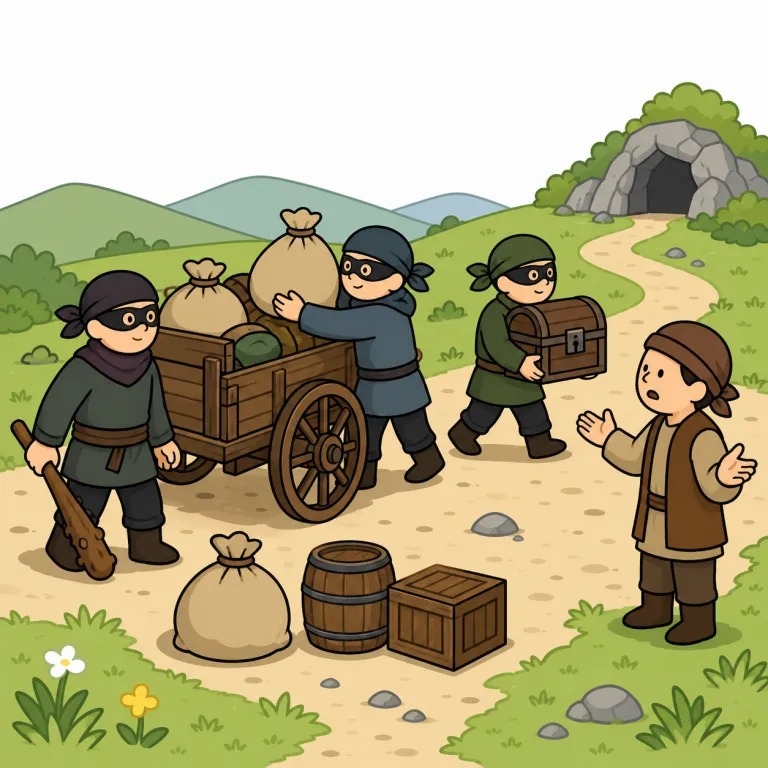
盗賊行為
解説 Definition
盗賊団による組織的な盗難や略奪行為。武装集団による無法な行為。
Banditry means robbery or violent crime carried out by bandits, especially in areas with weak law enforcement. It is often used for attacks on roads, villages, or travelers. The word is common in historical, political, and news contexts.
覚え方のコツ Memory Tip
bandit を知っていれば、banditry はまず「盗賊たちがやること全体」と広げて取ると覚えやすいです。-ry は bribery, slavery などと同じく、行為・状態・慣行をまとめて名詞化する形。だから単発の theft や robbery より、武装集団が地域で繰り返す襲撃・略奪という像が強い語です。news では armed banditry, rural banditry の形で出やすく、海上なら piracy、一般的な盗みなら theft と場面で分けると定着します。
Start from `bandit`, then add `-ry`, a suffix that often turns something into a type of action or practice, like `bribery`. So `banditry` is not one small theft, but the activity of bandits as a group. It often appears in phrases like `armed banditry` or `rural banditry`.
例文
In the 19th century, armed gangs committed widespread banditry in the region.
19世紀、その地域では武装集団による盗賊行為が横行した。
Banditry along the trade routes threatened merchants.
貿易路沿いの盗賊行為は商人を脅かした。
The government increased patrols to combat banditry.
政府は盗賊行為を取り締まるため、巡回を増やした。
banditry の類義語・関連語
派生語
banditry の語源・成り立ち Etymology
banditry は bandit + -ry で、bandit はイタリア語 bandito「追放された者」から、bandire「布告する・追放する」にさかのぼります。ban や banish と同系で、もとは「法の外へ宣告された者」だったと知ると、盗賊行為に追放の影が残る理由が見えます。
Banditry comes from bandit plus the suffix -ry. Bandit came through Italian bandito, meaning "a banished or outlawed person," from bandire, "to proclaim" or "to banish." It is related to English ban and banish, and the meaning shifted from being declared outside the law to robbery and outlaw activity.
同じレベルの語彙をもっと
外部辞書で調べる
この英単語をクイズで覚えよう