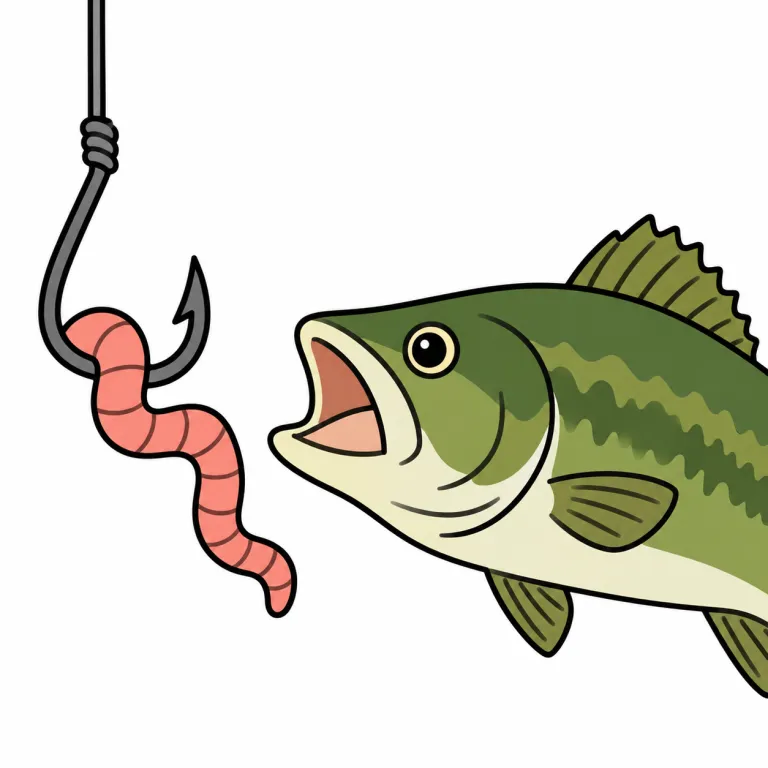
餌(baitの古い異綴り)
解説 Definition
名詞 bate は、bait「餌、おとり」の歴史的な異綴りです。釣り針やわなに仕掛けて動物を誘う餌を指します。現代標準英語では通常 bait と綴ります。
An archaic or historical spelling of bait, meaning food placed on a hook or in a trap to attract an animal. In modern standard English, bait is the normal spelling for this sense.
覚え方のコツ Memory Tip
名詞 bate は現代ではまれな、bait「餌・おびき寄せる物」の古い異綴りとして覚えます。獲物に bite「かみつく」動作を起こさせる餌という意味のつながりがありますが、通常の文章では bait を選びます。辞書・古文献で bate を見たときに bait と読み替えるための受容語彙として扱うのが実用的です。
Treat the noun bate as a historical spelling to recognize rather than the form to use in ordinary modern writing. Replace it mentally with bait: something offered so that a fish or animal will approach and bite. The connection with biting gives a useful semantic link, but the spelling bate itself is now rare in this noun sense. When reading an older text, context involving a hook, trap, prey, or lure can confirm the meaning. In present-day writing, choose bait, since bate is more likely to be encountered in other old expressions or as a different verb.
例文
The old text uses bate where modern English uses bait.
その古い文献では、現代英語で bait と書くところに bate が使われています。
bate の類義語・関連語
bate の語源・成り立ち Etymology
この名詞の bate は、中英語で見られる bait の歴史的な綴りです。bait は古ノルド語 beita「食物、餌」などに由来し、bite「かむ」と同じゲルマン語系の語群に属します。現代英語では bait が標準的な綴りです。
In this noun sense, bate is a Middle English spelling variant of bait. Bait is connected with Old Norse beita, a causative verb meaning “to make bite” or “to cause to feed,” and ultimately belongs to the same Germanic word family as bite. The semantic development is direct: food makes an animal bite or feed and can therefore attract it to a hook or trap. Modern English standardized bait for the noun, leaving bate chiefly as a historical variant.
同じレベルの語彙をもっと
外部辞書で調べる
この英単語をクイズで覚えよう