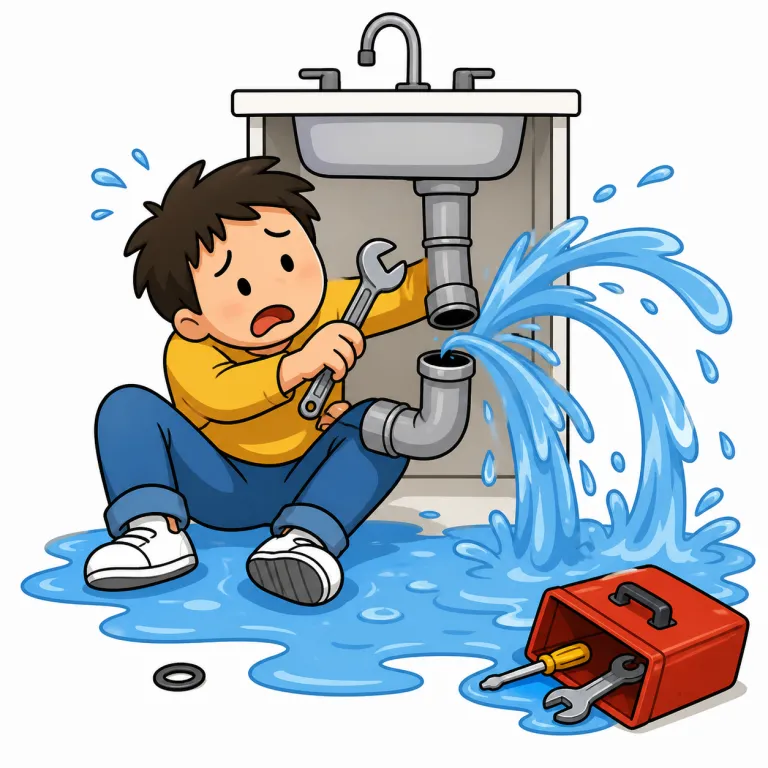
へまな/ドジな
解説 Definition
不器用で下手な仕事をする様子。へまをして物事を台無しにすること。
Bungling describes someone who does things in a clumsy or careless way and often makes mistakes. It is used for people, actions, or attempts that are badly managed. The word usually has a critical tone.
覚え方のコツ Memory Tip
bungling はまず動詞 bungle「しくじる・へまをする」を軸に、bungled job「失敗した仕事」、a bungler「へまな人」と同じ仲間で覚えると残りやすい。clumsy が手先の不器用さ、incompetent が能力不足寄りなのに対し、bungling は「やるたびに手順を誤って台無しにする」感じ。bungling officer, bungling investigation など、任せると被害が広がる文脈で出やすい。さらに botched が結果としての「しくじり」なら、bungling は原因側の「へまな対応」。-ing なので、その性質がにじむ形容詞だと捉えると定着しやすい。
Build it from `bungle`, meaning to do something badly, plus `-ing`. A bungling person is not just awkward once; they keep making mistakes and creating problems. Connect it with words like `bungled` and `bungler` to remember the whole word family.
例文
The bungling burglar accidentally set off the alarm and was caught immediately.
へまな泥棒はうっかり警報を鳴らしてしまい、すぐに捕まった。
His bungling attempt at fixing the sink only made the leak worse.
彼が流し台を下手に修理したため、水漏れはかえってひどくなった。
The comedy revolves around a bungling detective who stumbles into solving crimes.
そのコメディは、偶然に事件を解決してしまうドジな探偵を中心に展開する。
bungling の類義語・関連語
類義語
対義語
派生語
紛らわしい語
bungling の語源・成り立ち Etymology
「bungling」は bungle+-ing。bungle は近代英語で「へまをする」だが語源ははっきりせず、北欧語系とも言われ、-ing が性質を表す。bungler や bungled は、不器用さの核が同じだと見えてくる。
Bungling comes from bungle with the ending -ing, which shows a quality or ongoing action. Bungle appeared in early modern English meaning "do something badly," but its deeper origin is uncertain and may be from a Scandinavian source. Related words like bungler and bungled keep the same idea of clumsy, awkward action.
同じレベルの語彙をもっと
外部辞書で調べる
この英単語をクイズで覚えよう