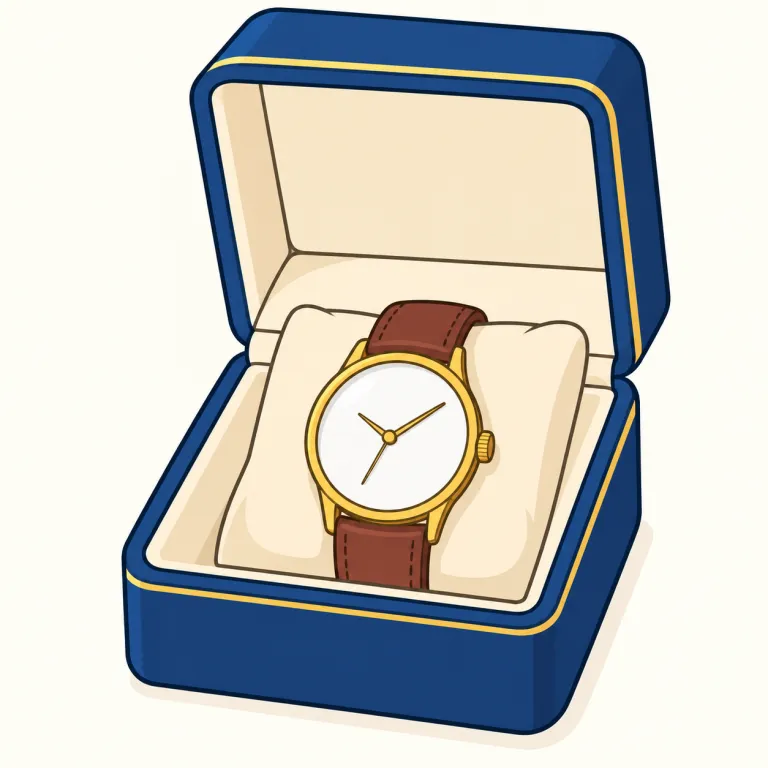
ケース入り
解説 Definition
cased は「ケース入りの」という意味の形容詞です。物が保護用の箱やケース、外装に収められている状態を表します。
Placed, enclosed, or supplied in a protective case, box, or outer covering. The adjective commonly describes an object that is stored, displayed, or prepared for transport inside its case.
使い方 Usage
- a cased watch、a cased violin のように、名詞の前で「ケース入りの」と説明できます。 Use cased before a noun to describe an object enclosed in its case, as in a cased watch or a cased violin.
- cased は /keɪst/ と発音します。綴りは -ed で終わりますが、語尾の音は /t/ です。 Cased is pronounced /keɪst/. Although it ends in written -ed, its final sound is /t/.
覚え方のコツ Memory Tip
case「ケースに入れる」の過去分詞から来た形容詞です。語末の e を残して -d を付け、ケースに収めたバイオリンを思い浮かべて覚えます。
The adjective comes from the past participle of case, “to put something in a protective container.” Keep the final e and add -d. Picture a violin enclosed in its case.
例文
The cased watch was ready for delivery.
ケース入りの腕時計は配送の準備ができていました。
She kept the cased violin on the shelf.
彼女はケースに入ったバイオリンを棚に置いていました。
cased の類義語・関連語
cased の語源・成り立ち Etymology
ラテン語 capsa(箱・容器)が古フランス語 casse を経て英語 case になった。capsa は capere(取る・収める)から派生し「物を収める入れ物」の意。関連語に capsule(小箱)や cashier(金庫係)がある。
Cased is the past participle of the verb case, used here adjectivally. Case entered English through Old French from Latin capsa, meaning “box” or “container.” Capsa is associated with capere, “to take or hold,” reflecting a container’s function of holding something. English later developed the verb case, “to enclose in a case,” and cased consequently came to describe an object provided with or placed inside such a covering.
同じレベルの語彙をもっと
外部辞書で調べる
この英単語をクイズで覚えよう