crank up
crank up は英検1級レベルの英熟語で、「高める、始動させる」という意味があります。発音記号は /ˈkræŋk ˈʌp/ です。
意味一覧 (2件)
高める
解説 Definition
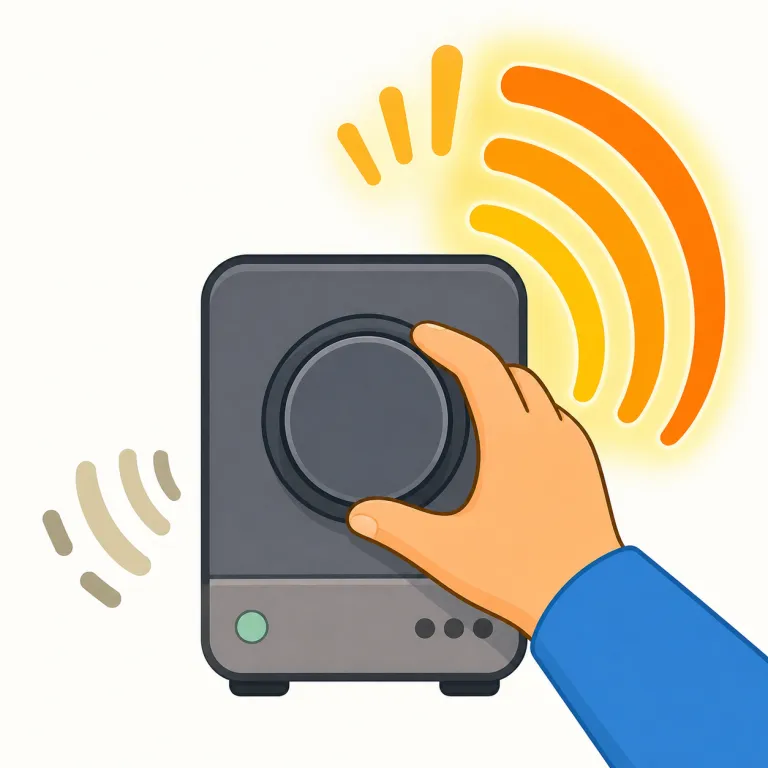
「crank up」は、音量・温度・速度・生産量などを上げて、強さや量を高めることを表す句動詞です。つまみや装置を回して出力を上げるような感覚があり、活動や勢いを本格的に強める場面にも使われます。
To crank up something means to increase its level, strength, or intensity. It is often used for things like sound, activity, pressure, or effort, and it can sound slightly informal.
覚え方のコツ Memory Tip
crank up は、機械の手回しハンドルやつまみを回し、針が上へ動いて出力が強くなる場面で覚えると定着しやすいです。crank up the volume、the heat、the speed、production のように、音量・温度・速度・生産量を目的語に取ります。単に increase と述べるより、操作や働きかけによって勢いよく一段高める口語的な感触があります。目的語が名詞なら crank the volume up と間に挟むこともでき、代名詞なら crank it up の語順になる、と型で押さえると実際に使いやすくなります。
`Up` tells you the direction, and `crank` gives the image of turning a handle or knob harder. So `crank up` feels more physical and forceful than plain `increase`. It is common with things you can raise step by step, like volume, heat, pressure, or effort.
例文
They cranked up the volume to hear the announcement.
彼らはアナウンスを聞くために音量を上げた。
He cranked up the heat before the storm hit.
嵐が来る前に彼は暖房を強めた。
Please crank up production before the holiday season.
休暇シーズンの前に生産量を増やしてください。
始動させる
(意味 2)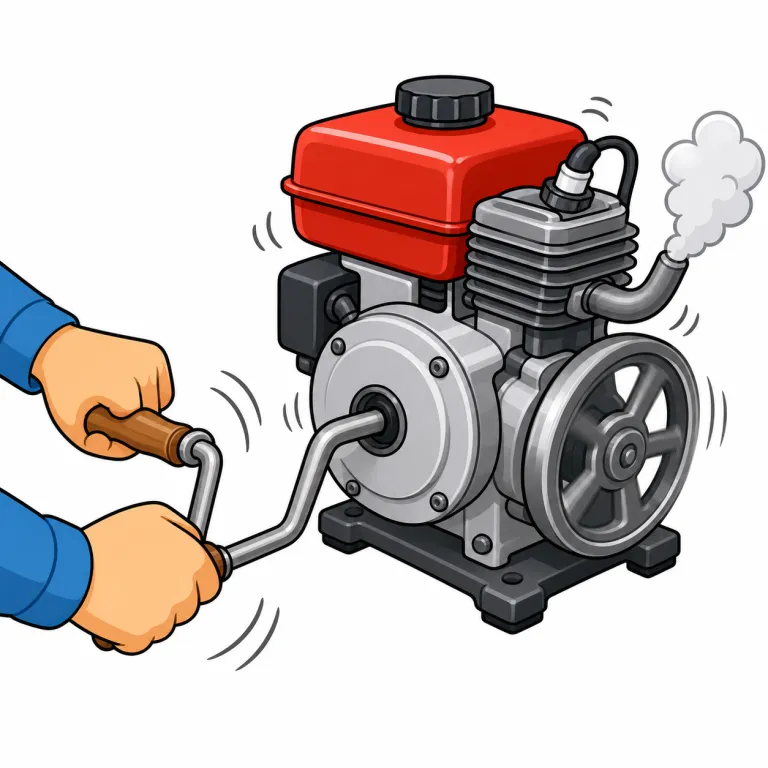
解説 Definition
機械や装置のスイッチを入れて動き出させるときに使います。特にエンジン、発電機、古い機械などを回して使い始める場面で自然です。活動や計画を本格的に始める意味で使われることもあります。
This phrasal verb means to start an engine, generator, or other machine and make it begin operating. It often suggests the mechanical effort involved in starting older or heavy equipment.
覚え方のコツ Memory Tip
crank は手回しハンドル、up は「立ち上げる・動かし出す」と考えると覚えやすいです。古いバイクや発電機をぐるっと回してエンジンをかける場面を思い浮かべると、crank up は「始動させる」とつながります。音量や強度を上げる意味もありますが、この語義では出力を上げる前の、機械を動き出させる瞬間が中心。start より少し機械的で力を入れる感じがあります。
A crank is a handle that can be turned to start a machine, while up suggests bringing the machine into operation. Picture turning the handle of an old engine or generator until it starts, and keep this sense separate from increasing volume or intensity.
例文
He cranked up the old motorcycle and rode off.
彼は古いオートバイを始動させて走り去った。
We cranked up the generator after the power went out.
停電のあと、私たちは発電機を始動させた。
The crew cranked up the machines before dawn.
作業員たちは夜明け前に機械を動かし始めた。
crank up の類義語・関連語
類義語
対義語
crank up の語源・成り立ち Etymology
crankは古英語cranc(曲がったもの)から。手回しハンドルを回して機械を起動させる動作が原義。crank upは「ハンドルを回して出力を上げる」→「音量や強度を高める」へと比喩的に拡張。関連語:cranky(気難しい)。
Crank comes from an old Germanic word meaning something bent or curved, and in English it came to mean a bent handle used to turn a machine. The phrase crank up first referred to starting or increasing power by turning such a handle. It later widened to mean raising the level or intensity of something, such as volume, speed, or pressure.
同じレベルの語彙をもっと
英検1級の一覧へ →外部辞書で調べる
この英熟語をクイズで覚えよう