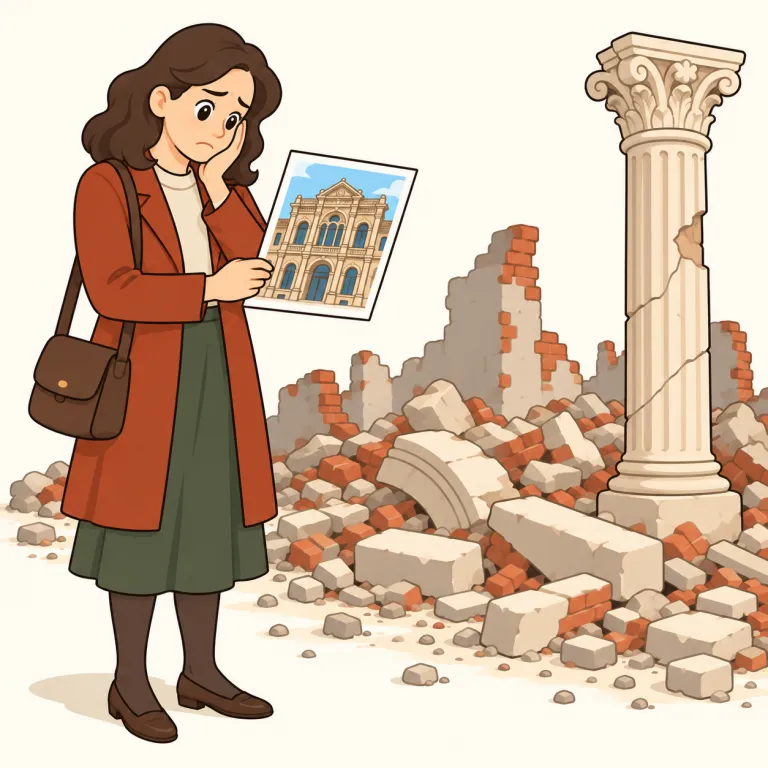
嘆く
解説 Definition
嘆く。または悲しみを持って見る。不満を述べる。
Deploring means expressing strong sadness, regret, or disapproval about something. It is often used for bad events, unfair actions, or harmful situations. The word sounds formal and is common in writing or serious speech.
覚え方のコツ Memory Tip
deplore は「残念だ」では弱く、「見ていられないほど嘆き、強く非難する」に近い語。regret は自分の後悔、complain は不満を言う行為だが、deplore は出来事や振る舞いを道徳的に問題視する響きがある。ニュースの leaders deplored the attack, critics are deploring the decision の形で覚えるとよい。deploring はその進行形で、「その件を嘆いている最中」の絵で定着させる。
`Deplore` is stronger than just `regret` or `complain`. It is often used in formal news English when people strongly react to something they see as wrong: `leaders deplored the attack`. So `deploring` is easy to remember as the ongoing form of that strong public criticism. Think of serious headlines, not casual conversation.
例文
She was deploring the loss of historical architecture in the city.
彼女は都市の歴史的建築の喪失を嘆いていた。
The report deploring environmental destruction raised public awareness.
環境破壊を嘆くその報告書は、一般の人々の問題意識を高めた。
Many critics were deploring the decline of traditional craftsmanship.
多くの批評家は伝統的な職人技の衰退を嘆いていた。
deploring の類義語・関連語
派生語
deploring の語源・成り立ち Etymology
deploring の基底にある deplore は、ラテン語 de-「強く」と plorare「泣き叫ぶ」からできています。もともと「声を上げて嘆く」なので、単なる残念さより深い悲嘆や強い非難を帯び、implore にも同じ plore が残ります。
Deploring comes from deplore, which comes from Latin de- and plorare, meaning "to cry out" or "lament." The original sense was not just mild regret, but deep public grieving or strong expression of sorrow. That is why the word later developed a sense of strong disapproval as well.
同じレベルの語彙をもっと
外部辞書で調べる
この英単語をクイズで覚えよう