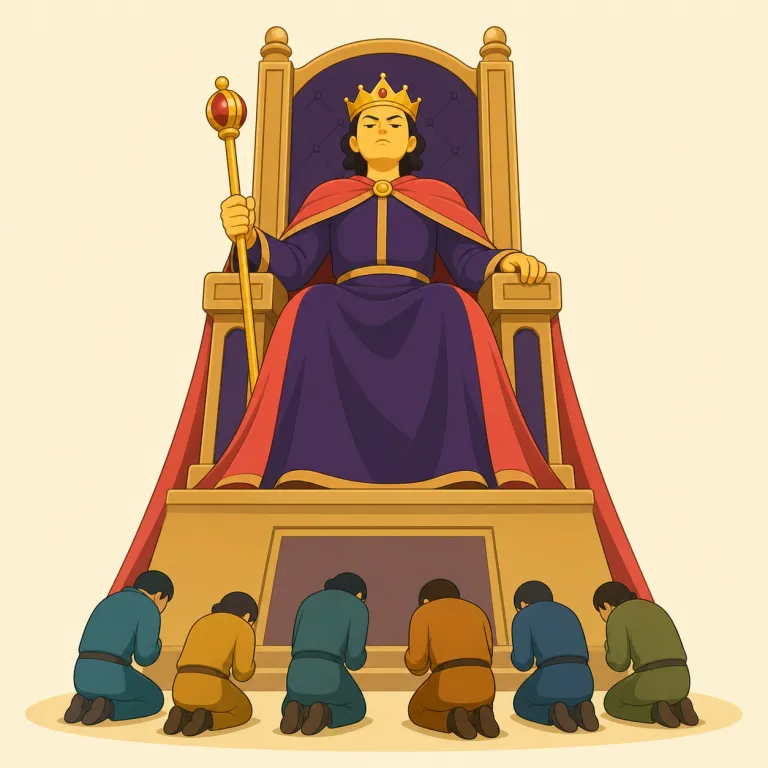
横暴な人、独裁者
noun 名詞国家の統治者に限らず、家庭や職場などで権力を振りかざし、周囲を自分の意志どおりに従わせる人を指します。比喩的で強い非難を伴い、a domestic despot のように限定された集団内の横暴な人物にも使われます。
専制君主とは、権力を独占し、他の制約なく支配する独裁的な統治者のこと。個人の権利や民主的なプロセスを無視し、自分の意志のみで国を治める人物を指します。
A despot is a ruler who has complete power and uses it in a cruel or unfair way. The word can also be used more generally for any person who controls others in a harsh and oppressive manner.
despot はまず語族で固めると覚えやすいです。despotic(専制的な), despotism(専制政治)とセットで見ると、「despot はその中心にいる人」だと整理できます。意味は dictator や tyrant に近いですが、選挙や制度よりも“自分の意志で支配する君主・支配者”という響きが強めです。歴史や政治の文脈で a despot, rule like a despot の形に触れておくと定着しやすく、pot だけを見て power と雑につなげすぎないこともポイントです。
Learn it as a word family: `despot`, `despotic`, `despotism`. That makes it easier to see that `despot` is the person at the center of that kind of rule. Keep it near `tyrant` or `dictator`, but with a strong image of one ruler's personal will.
The despot ruled the kingdom with an iron fist, allowing no opposition.
その専制君主は王国を強権的に統治し、反対意見を一切許しませんでした。
Citizens lived in fear under the despot's authoritarian regime.
市民たちはその専制君主の独裁体制の下で恐怖の中で暮らしていました。
The despot eventually fell from power due to widespread rebellion.
その専制君主は広範な反乱により最終的に権力を失いました。
文脈によって、次の意味でも使われます。
国家の統治者に限らず、家庭や職場などで権力を振りかざし、周囲を自分の意志どおりに従わせる人を指します。比喩的で強い非難を伴い、a domestic despot のように限定された集団内の横暴な人物にも使われます。
despot はギリシャ語 despotes「家の主人、絶対の支配者」に由来し、dems-「家」+ potis「主人」と分析されます。despotic や despotism も同根で、「家長がそのまま国家を支配する」イメージが専制君主の意味につながります。
Despot comes from Greek despotes, meaning "master of the house" or "absolute ruler." It is connected to old roots for "house" and "master." The word first referred to a powerful lord, and later narrowed in English to a ruler with harsh, unchecked power. Related words include despotic and despotism.
この英単語をクイズで覚えよう