die of
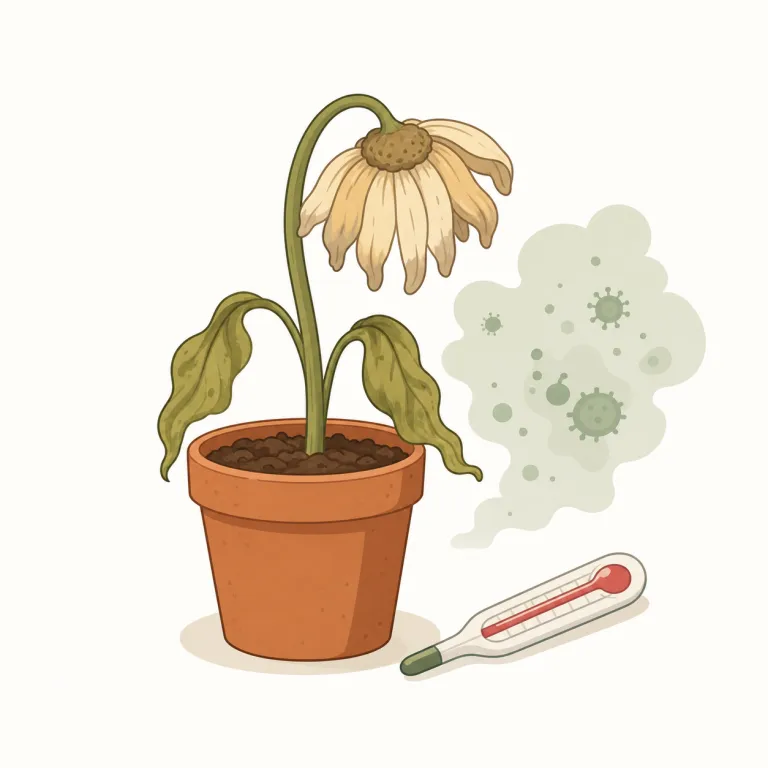
die of は英検1級・TOEIC 600レベルの英単語で、「〜で亡くなる、〜で死にそう」という意味があります。発音記号は /ˈdaɪ əv/ です。
〜で亡くなる
解説 Definition
「die of」は病気・怪我などの原因を示し、「何に死ぬのか」を明確にする。医療や事故の報告、身近な心配ごとなどで「...のせいで亡くなる」と話す時に使われ、原因語句は通常名詞や動名詞。
To die of something means to die because of a particular disease, condition, or cause. It is commonly used with illnesses, hunger, or shock. This phrase focuses on the reason for the death.
覚え方のコツ Memory Tip
die は基本動詞「死ぬ」なので、まずそこを軸に置く。of はこの句では「原因」をつなぐ前置詞と考えると、die of cancer / disease / hunger のように、病気・老衰・飢えなど体の内側や自然な原因で亡くなる表現だと整理しやすい。ニュースや説明で「死因を述べる」場面の定番。事故・毒物・けがなど外から来た原因は die from に寄りやすいので、of=内因・自然寄り、from=外因寄りで対にして覚えると混同しにくい。
Remember `of` here as linking to a cause. `Die of` is often used with illness, age, or hunger, so connect it with causes that come from inside the body or natural weakness. Compare it with `die from`, which is often used for more external causes.
例文
He died of pneumonia after a week in the hospital.
彼は入院して一週間後、肺炎で亡くなった。
My aunt worries she'll die of stress if she doesn't take a break.
叔母は休みを取らないとストレスで死んでしまうのではないかと心配している。
Many people died of hunger during the long war.
長い戦争の間、多くの人が飢えで亡くなった。
〜で死にそう
(意味 2)解説 Definition
実際に死ぬという意味ではなく、笑い・退屈・恥ずかしさ・暑さなどが強すぎて、死にそうなほどつらいと大げさに言う表現。日常会話で感情や状態の強さを誇張して伝えるときによく使う。
覚え方のコツ Memory Tip
die は基本動詞「死ぬ」、of は「原因」をつなぐ前置詞。die of boredom / laughter / embarrassment は本当に死ぬのではなく、「退屈・笑い・恥ずかしさが原因で死ぬほどだ」と大げさに言う表現です。die of cancer のような実際の死因を述べる用法と形は同じですが、日常会話で感情や状態が強すぎるときは誇張表現になります。日本語の「退屈で死にそう」「笑い死にしそう」と同じ感覚で覚えると自然です。
例文
I was dying of boredom during the lecture.
その講義のあいだ、私は退屈で死にそうだった。
We almost died of laughter watching that video.
私たちはその動画を見て、笑いすぎて死にそうになった。
He said he was dying of embarrassment after the mistake.
彼はその失敗のあと、恥ずかしさで死にそうだったと言った。
die of の類義語・関連語
die of の語源・成り立ち Etymology
dieは古ノルド語deyja(死ぬ)に由来し、古英語のsteorfan(starveの語源)に取って代わった語。ofは原因を示す前置詞で古英語ofから。die ofは病気や自然原因による死を表し、事故などの外的原因にはdie fromを使う傾向がある。関連語: dead, death。
Die comes from Old Norse deyja, and it gradually replaced Old English steorfan, which later became starve. The preposition of comes from Old English and was often used to show cause. So die of developed as a way to mark death caused by illness or some internal condition, and it is related to dead and death.
同じレベルの英単語をもっと
英検1級の一覧へ →外部辞書で調べる
この単語を英単語クイズで覚えよう