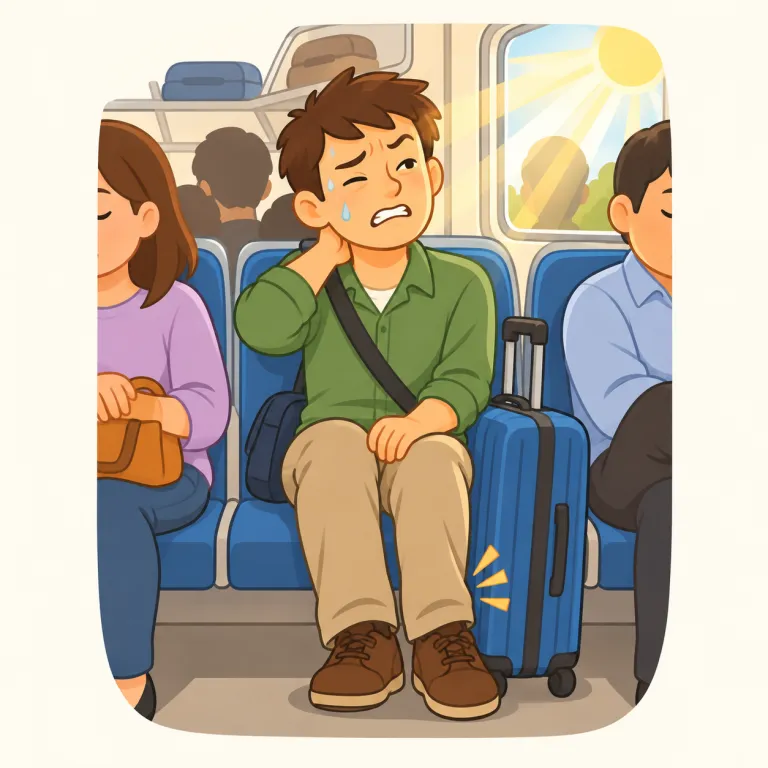
不快感
解説 Definition
複数の不快感や不安感。身体的または精神的な不快、不満足、または落ち着きのなさを表す複数形です。
Discomforts are unpleasant physical feelings or small problems that make a person feel less comfortable. The word often refers to things like pain, heat, pressure, or general uneasiness. It usually suggests minor or moderate trouble rather than serious suffering.
覚え方のコツ Memory Tip
discomforts は discomfort の複数形。まず comfort=快適さ・安心を思い出し、dis- が付くと意味が反転して「快適でない状態」になると捉えると覚えやすいです。uncomfortable が形容詞で「居心地が悪い」、discomfort は名詞で「不快感」。さらに複数形 discomforts になると、痛み・不安・不便など細かな不快がいくつもある感じ。physical discomforts, minor discomforts のまとまりで覚えると定着します。
Build it from `comfort` plus `dis-`, which reverses the feeling. `Discomfort` is the noun, while `uncomfortable` is the adjective, so keep that grammar contrast in mind. The plural `discomforts` suggests several small problems together, such as pain, stress, or inconvenience.
例文
The various discomforts of traveling made the long journey exhausting.
旅行のさまざまな不快感は長い旅を疲れさせました。
She experienced multiple discomforts during her recovery period.
彼女は回復期間中に複数の不快感を経験しました。
The discomforts of the old chair finally convinced him to buy a new one.
古い椅子の不快感は最終的に彼に新しい椅子を買うことを決めさせました。
discomforts の類義語・関連語
discomforts の語源・成り立ち Etymology
古仏語 desconforter から。dis-(否定の接頭辞、ラテン語由来)+ comfort(ラテン語 confortare = con-共に + fortis 強い)で「力づけを奪う→不快にする」が原義。関連語: comfortable(快適な)、fortify(強化する)。元は精神的な落胆を指したが、現在は身体的不快も含む。
Discomforts comes from discomfort, which entered English through Old French. It combines dis- with comfort, from Latin confortare, literally "strengthen greatly," built from con- and fortis "strong." The early idea was taking away strength or encouragement, so it first referred more to emotional distress and later also to physical unease. It is related to comfortable and fortify.
同じレベルの語彙をもっと
外部辞書で調べる
この英単語をクイズで覚えよう