多義語による詭弁
noun 名詞論理学では、同じ語を議論の途中で異なる意味にすり替え、その曖昧さを利用して誤った結論を導く推論上の誤謬を指す。単に発言をぼかす態度ではなく、語義の変化が論証を無効にする点が中心である。
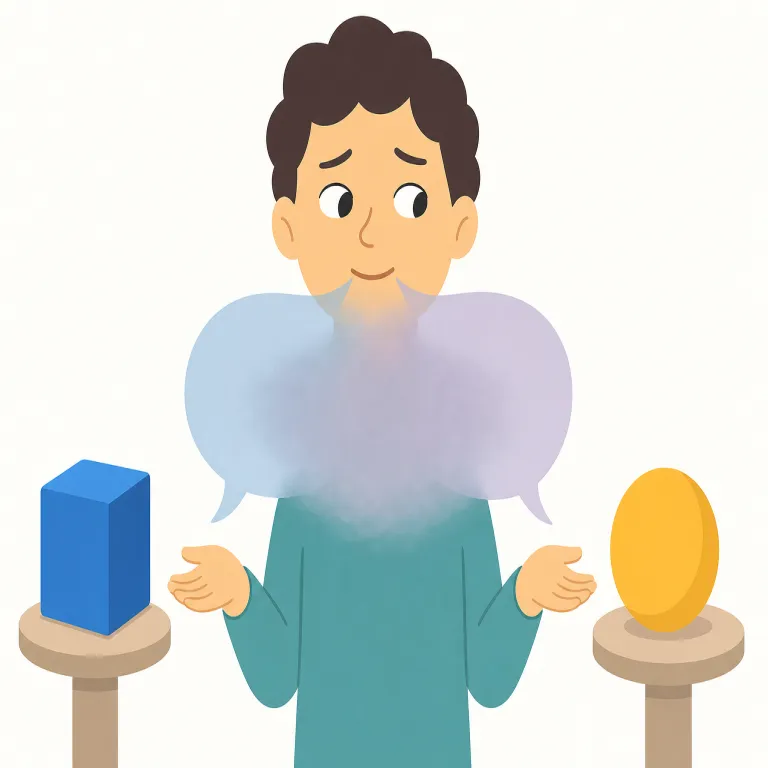
はっきり言わず、あえてあいまいな表現を使って責任や立場を明確にしないことを指す。単なる意味の不明確さではなく、真実をぼかしたり質問をかわしたりする意図的な言い方に対して使われる。政治家や証人の発言を評するときによく用いられる。
Equivocation is the use of unclear or indirect language to avoid giving a direct answer or stating the truth clearly. It is often used when someone wants to be careful, hide their real meaning, or avoid responsibility.
まず動詞 equivocate を軸に覚えると定着しやすい。equivocation はその名詞形で、「あいまいさ」一般ではなく、都合よく言葉を濁して逃げる感じ。ambiguity が単なる不明確さ、vagueness がぼんやりなら、equivocation は質問をかわし責任を避けるためのあいまい発言。政治家・証人・記者会見での without equivocation や political equivocation と結び付け、「はっきり言う/濁す」の対比で覚えると残りやすい。
Learn the verb `equivocate` first, then `equivocation` becomes easy as the noun form. This word is not just simple unclearness; it suggests careful, evasive language used to avoid a direct answer. Remember it in contrast with `without equivocation`, which means speaking plainly and directly.
The politician's equivocation on the issue frustrated voters who wanted a clear stance.
その問題について言葉を濁す政治家の態度は、明確な立場を求める有権者をいら立たせた。
His equivocation during the interview made the panel suspicious.
面接中の彼の言葉を濁すような受け答えは、面接官たちに不信感を抱かせた。
Without equivocation, the CEO said the company would not lower safety standards.
CEOは言葉を濁さず、会社は安全基準を下げないと述べた。
文脈によって、次の意味でも使われます。
論理学では、同じ語を議論の途中で異なる意味にすり替え、その曖昧さを利用して誤った結論を導く推論上の誤謬を指す。単に発言をぼかす態度ではなく、語義の変化が論証を無効にする点が中心である。
equivocation はラテン語 aequus「等しい」+ vox/voc-「声・呼ぶ」から出た equivocare 由来で、-ation が名詞化しています。equity や vocal と同根をもち、「どちらにも同じに聞こえる言い方」という原像から、あいまいで逃げ道のある発言を表します。
Equivocation comes from Latin equivocare, from aequus "equal" and vox or voc- "voice, call." It is related to equity and vocal. The original idea was of something that could be heard in more than one equal way, which developed into the sense of deliberately ambiguous speech.
この英単語をクイズで覚えよう