苛立ち
解説 Definition
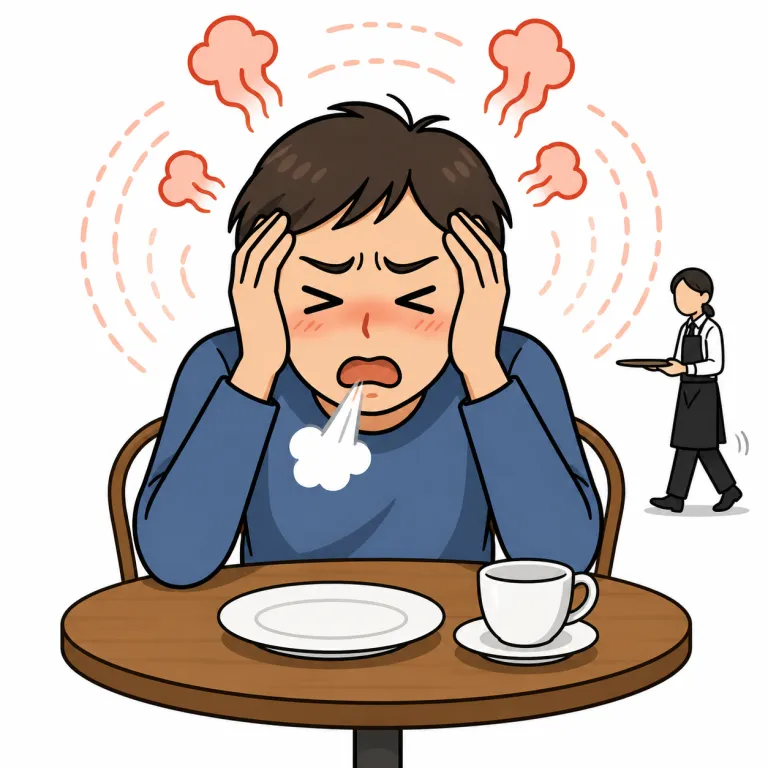
何度も困らされたり、イライラさせられたりした結果生じる、強い怒りや不満の感情です。我慢の限界に達した状態を表します。
Exasperation is the feeling of being very annoyed, especially after a problem continues or someone keeps behaving badly. It is stronger than simple irritation and often suggests impatience. The word is common in both everyday and formal writing.
覚え方のコツ Memory Tip
まず exasperate「いら立たせる」を軸にし、-ion が付くと「その感情・状態」になると押さえると覚えやすいです。annoyance が単なる不快感なら、exasperation は「同じミスや遅れを何度も見せられ、もう我慢できない」という一段強い怒り。親が子に、上司が部下に、客が対応の悪さに感じる場面を思い浮かべると定着します。with exasperation, to her exasperation の形で出やすく、desperation と音が少し似るので混同注意。
Build it from `exasperate` and `exasperated`. If `irritation` is mild, `exasperation` feels stronger and more visible, like frustration that finally comes out. You will often see it with verbs like `express` or `voice`, which helps you remember it as shown anger.
例文
He expressed his exasperation with the slow service.
彼は遅いサービスに苛立ちをあらわにした。
The teacher's exasperation grew as the students ignored her instructions.
生徒たちが指示を無視するにつれて、教師の苛立ちは募っていった。
She let out a sigh of exasperation when her plans fell through.
計画がだめになったとき、彼女は苛立ちのため息をついた。
exasperation の類義語・関連語
類義語
対義語
exasperation の語源・成り立ち Etymology
exasperation はラテン語 exasperare「荒くする・刺激する」に由来し、ex-「すっかり」+ asper「ざらざらした・荒い」から成ります。心の表面を荒らして逆なでする感覚から、強いいら立ちや憤慨の意味になりました。関連語は exasperate, asperity。
Exasperation comes from Latin exasperare, meaning "to make rough" or "to irritate." It is built from ex-, meaning "thoroughly," and asper, meaning "rough" or "harsh." The sense moved from making something physically rough to making a person's feelings raw and angry. Related English words include exasperate and asperity.
同じレベルの語彙をもっと
外部辞書で調べる
この英単語をクイズで覚えよう