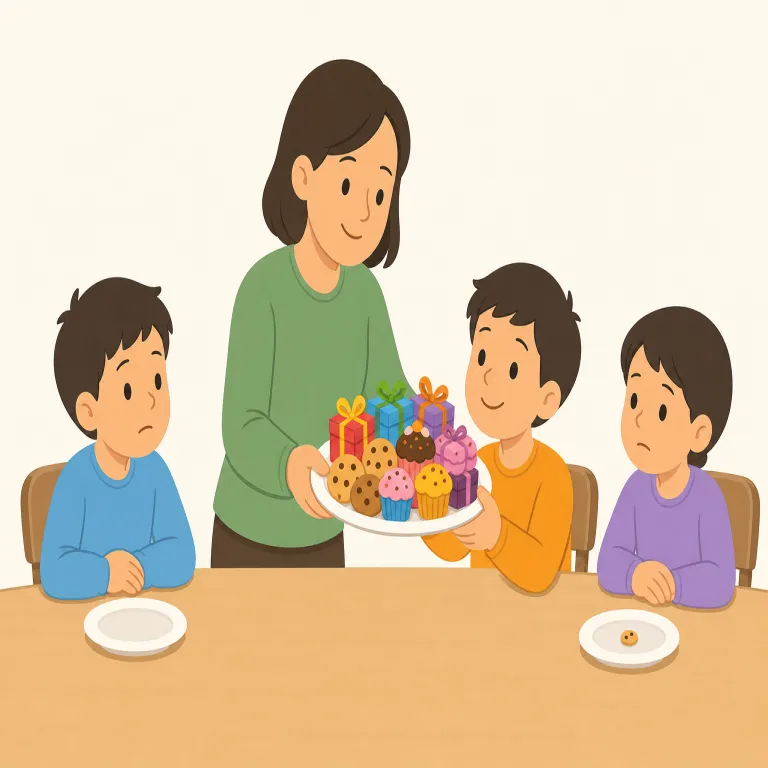
えこひいき
解説 Definition
特定の人や集団を、ほかの人より不公平に優遇することです。学校・家庭・職場などで、扱いや支援に不公平な差がある場合に使います。
Favoritism means unfairly giving better treatment or more support to one person or group than to others. It is often discussed in schools, families, or workplaces. The word usually has a negative meaning because it suggests a lack of fairness.
使い方 Usage
- show favoritism は「えこひいきする」。相手を示す場合は show favoritism toward + 人・集団と表せます。 "Show favoritism" means to give unfairly better treatment. To name the favored person or group, use "show favoritism toward" followed by that person or group.
- accusations of favoritism は「えこひいきしているという非難」。be accused of favoritism は「えこひいきしていると非難される」です。 "Accusations of favoritism" refers to claims that someone gives unfairly better treatment. "Be accused of favoritism" means to face such claims.
使い分け Common distinctions
- preference は単なる好みも表しますが、favoritism は扱いが不公平であることを含み、否定的に使われます。 Preference can simply express a liking. Favoritism involves unfair treatment and is used negatively.
覚え方のコツ Memory Tip
favorite「お気に入り」と -ism を結びつけ、「お気に入りの人だけを特別扱いすること」と考えると覚えやすいです。
Connect favorite with -ism and picture the act or habit of giving special treatment only to a favorite person.
例文
The manager was accused of favoritism toward certain employees.
そのマネージャーは特定の従業員に対するえこひいきで非難された。
Favoritism in the workplace creates tension.
職場でのえこひいきは軋轢を生む。
She complained about favoritism in the selection process.
彼女は選考プロセスでのえこひいきについて不満を述べた。
favoritism の類義語・関連語
favoritism の語源・成り立ち Etymology
favoritism は favorite + -ism で、favorite はラテン語 favor「好意・支持」がフランス語を経て入った語です。もとは「好意を向けること」なので、公平より感情でえこひいきする感じが出ており、favor や favorable が近縁です。
Favoritism is formed from favorite and the suffix -ism. Favorite came through French from Latin favor, meaning "kindness," "support," or "goodwill." The idea shifted from showing favor to someone to giving unfair special treatment. Related words include favor and favorable.
この意味を学べる単語帳
favoritism の収録語義を確認して、まとめて学べる単語帳を選べます。
-
収録語義:えこひいき
作成者:金子竜平
同じレベルの語彙をもっと
外部辞書で調べる
この英単語をクイズで覚えよう