humbly
謙虚に
解説 Definition
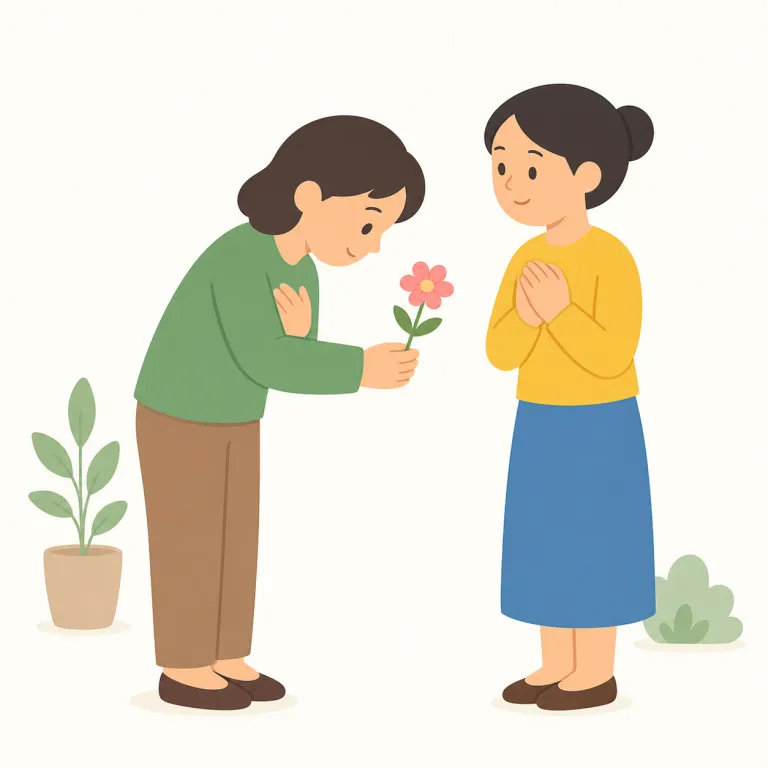
謙虚で控えめな態度、または謙虚さを示す行動様式を指す副詞です。自分の重要性を控えめに表現し、相手を尊重する姿勢を示します。
Humbly means in a modest way, without acting proud or thinking you are better than others. It is often used when someone speaks, accepts praise, or asks for something politely. The word usually suggests respect and a quiet attitude.
覚え方のコツ Memory Tip
humbly は humble「謙虚な」に -ly が付いた副詞で、成果や長所を誇らず「謙虚に」振る舞うことを表す。award winner humbly thanked... のように、称賛や成功を受けても自分を大きく見せない場面と結びつけると定着します。proudly「誇らしげに」と反対に置き、相手を尊重しながら控えめに話す・行動する感じを意識しましょう。
Start from `humble`, then add `-ly` to make the adverb. `Humbly` means in a modest way, without showing too much pride. It is the opposite of `proudly`, and it often appears when someone accepts praise or thanks others.
例文
He spoke humbly about his achievements despite their significance.
彼はその重要性にもかかわらず、達成について謙虚に話した。
The award winner humbly thanked everyone who contributed to her success.
受賞者は彼女の成功に貢献した全員に謙虚に感謝した。
He humbly admitted his mistakes and promised to do better next time.
彼は過ちを謙虚に認め、次回はより良くすると約束した。
へりくだって
(意味 2)解説 Definition
相手を上に置き、自分を低く見せるような態度で頼む、謝る、述べるときに使う副詞です。特に humbly ask や humbly apologize のように、強く主張せず丁重に願い出る場面でよく使われます。
Humbly is an adverb used when someone asks, apologizes, or speaks in a way that lowers themselves and gives respect to the other person. It often appears in formal or careful expressions such as humbly ask or humbly apologize. Compared with politely, humbly has a stronger sense of stepping back and putting the other person in a higher position.
覚え方のコツ Memory Tip
humbly は humble に副詞の -ly が付いた形です。humble には「低い、身を低くする」という核があるので、humbly ask, humbly apologize のように、相手の前で自分を低く置いて頼む・謝る場面を思い浮かべると覚えやすいです。politely は礼儀正しさ中心ですが、humbly はそれより一歩引き、相手を立てる響きが強い語です。既存の「謙虚に」と近いですが、ここでは特に頼み方や謝り方のへりくだりに注目します。
Think of humbly as humble + -ly. The core idea of humble is being low or making yourself lower, so picture someone saying humbly ask or humbly apologize while placing themselves below the other person. Politely is about good manners, but humbly adds a stronger feeling of stepping back and raising the other person.
例文
I humbly ask for your understanding.
ご理解いただけますよう、へりくだってお願い申し上げます。
She humbly apologized for the mistake and promised to fix it.
彼女はその失敗をへりくだって謝り、直すと約束した。
He humbly said that the team's success was more important than his own praise.
彼は自分への称賛よりチームの成功のほうが大切だと、へりくだって述べた。
控えめに
(意味 3)解説 Definition
謙虚に、また控えめな態度で行動すること。自分の成果や意見を無理に主張せず、相手を敬う姿勢で振る舞う様子。
例文
She humbly accepted the award without seeking praise.
彼女は称賛を求めることなく控えめに賞を受け入れました。
The speaker humbly acknowledged the contributions of others.
その演者は他の人たちの貢献を控えめに認めました。
He humbly apologized for his mistake.
彼は控えめに自分の間違いについて謝罪しました。
静かに
(意味 4)解説 Definition
謙虚さや謙遜を示しながら行動すること。誇示せず、控えめにふるまう様子を表す。
例文
She accepted the award humbly, thanking those who helped her.
彼女は賞を謙虚に受け取り、彼女を助けた人々に感謝しました。
He humbly asked for guidance from his experienced colleague.
彼は経験豊富な同僚から謙虚に指導を求めました。
The team humbly shared their findings without exaggeration.
チームは自分たちの発見を誇張なく謙虚に共有しました。
humbly の語源・成り立ち Etymology
humbly は humble に副詞化の -ly が付いた形で、humble はラテン語 humilis「低い」に由来します。humility や humiliate にも同じ核があり、さらに humus「土」と結びつきます。身を低くして地面に近づく像から「謙虚に」が生まれたと分かります。
Humbly is made from humble plus the adverb ending -ly. Humble comes from Latin humilis, meaning "low" or "close to the ground," and it is related to humus, meaning "earth" or "soil." From the image of being low rather than raised up, the word developed the sense of acting in a modest, unproud way.
外部辞書で調べる
この単語を英単語クイズで覚えよう