
humble
humble は英検2級・TOEIC 860・TOEFL 80・IELTS 6.5レベルの英単語で、「謙虚な、質素な、身分の低い」という意味があります。発音記号は /ˈhʌmbəl/ です。
謙虚な
解説 Definition
人が自分の能力や成功、立場をひけらかさず、他人に対してへりくだった態度を示すときに使う。褒められても威張らず落ち着いて受け止め、まだ学ぶ点があると考えるような、好ましい性格や振る舞いを表す語で、人物評価でよく用いられる。
Not showing off your abilities, achievements, or position, and not acting superior to others. It describes an admirable attitude in someone who accepts praise without becoming proud and recognizes that they still have things to learn.
覚え方のコツ Memory Tip
humble は humility とセットで覚えると定着しやすい語。人に使うと「偉ぶらない、謙虚な」、家や暮らしに使うと「豪華でない、質素な」。remain humble, a humble home, humble beginnings の形でよく出る。modest も近いが、modest は「控えめ・適度」で数字や服装にも広く使え、humble のほうが地位や態度の低姿勢、飾らなさが強い。
Learn humble together with humility, the quality of not considering yourself superior to others. Picture someone receiving an award, thanking the team, and staying willing to learn. The phrase "remain humble" captures this attitude.
例文
She stayed humble after winning the award.
彼女は賞を取った後も謙虚なままだった。
He was humble enough to admit his mistake.
彼は自分の誤りを認めるだけの謙虚さがあった。
Our teacher knows a lot but stays humble.
私たちの先生は物知りだが、いつも謙虚だ。
質素な
(意味 2)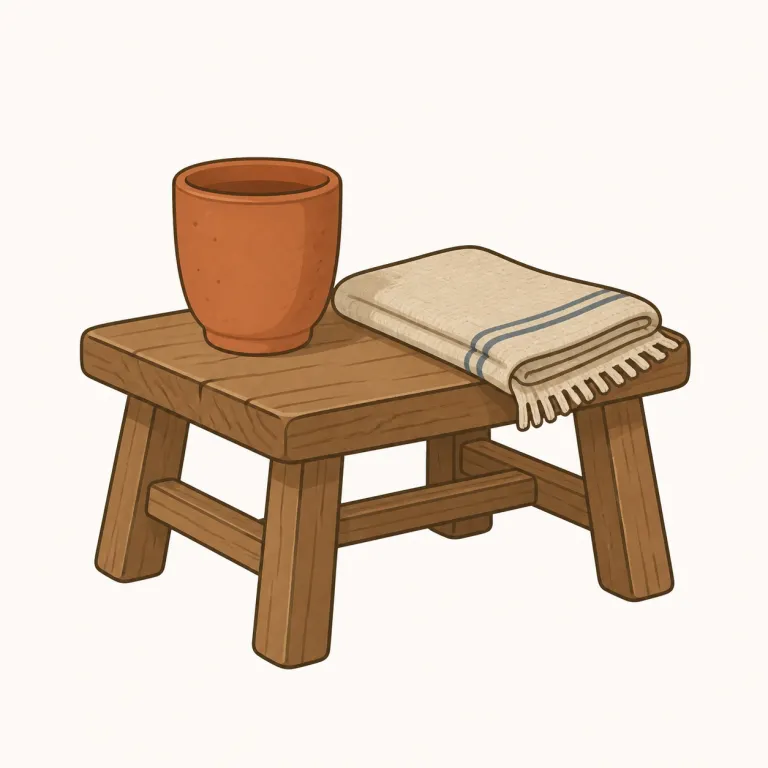
解説 Definition
豪華さを求めず、目立たないように控えめな様子を指します。身の回りを質素に整え、実用性を重視する態度が含まれます。自分や自分の成し遂げたことを誇示せず、謙虚な姿勢を保とうとする気持ちも表します。
Humble describes someone who does not act proud or think they are more important than others. It can also describe something simple and not expensive or fancy. The word is often positive when talking about personality, lifestyle, or background.
例文
They live in a humble apartment in the city center.
彼らは市内中心部の質素なアパートに住んでいます。
The restaurant serves humble but delicious home-cooked meals.
レストランは質素だが美味しい家庭料理を提供しています。
She lives a humble life and saves her money.
彼女は質素な生活を送り、お金を貯めています。
身分の低い
(意味 3)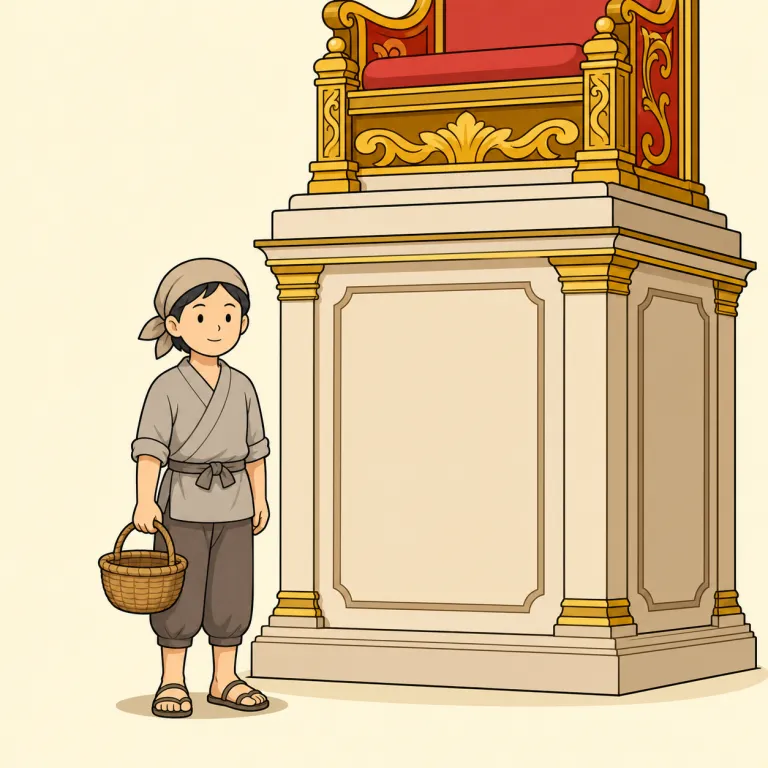
解説 Definition
社会的地位や家柄が高くないこと、または重要ではなく目立たないことを表す、やや文語的な語。出自・職・立場などが立派ではなく低いことや、役割がささやかで取るに足らないことを述べるときに使われ、境遇の説明で見かけることが多い。
Low in social rank or lacking importance and distinction. This somewhat literary adjective describes a person's origins, family, job, or position, especially when explaining their circumstances.
例文
He was born into a humble family but became a judge.
彼は身分の低い家に生まれたが、裁判官になった。
She began in a humble position and had little power.
彼女は低い地位から始め、ほとんど権限がなかった。
The prince greeted even the humble servants politely.
王子は身分の低い召使いたちにも丁寧に挨拶した。
humble の類義語・関連語
humble の語源・成り立ち Etymology
ラテン語 humilis(低い、地面に近い)が語源で、humus(土、大地)に由来する。フランス語経由で英語に入った。「地面のように低い立場」から「謙虚な・質素な」の意味になった。関連語:humility(謙遜)、humus(腐葉土)。大地に近い=偉ぶらないという発想。
The word entered English through French from Latin humilis, meaning low or close to the ground. Humilis comes from humus, meaning soil or earth, linking physical lowness with a lack of pride.
同じレベルの語彙をもっと
英検2級の一覧へ →外部辞書で調べる
この英単語をクイズで覚えよう