
意味一覧 (3件)
判断
解説 Definition
物事の状況や情報を踏まえて、どう考えるか・どう決めるかという判断そのものを表す名詞です。人の意見や評価、ある場面で下した結論を指し、日常会話からビジネス、報道まで幅広く使われます。法律上の判決ではなく、一般的な見極めや決定に重点があります。
This noun means an opinion, conclusion, or decision formed after considering the available information and circumstances. It can also refer to a person's ability to decide sensibly in ordinary, professional, or public situations.
覚え方のコツ Memory Tip
judgement は judge に -ment が付いて、「判断すること・判断した結果」と覚えると自然です。情報を見て、よいか悪いか、どうすべきかを見極める力や結論を指します。court judgement なら法律上の判決になることもありますが、この語義では I trust your judgement. のような一般的な判断を中心にします。米語では judgment の綴りも非常に一般的で、意味は同じです。
Think of judge plus -ment: the act or result of deciding what is right, sensible, or appropriate. Focus on general evaluation, as in trust your judgement; judgment is also a common spelling, especially in American English.
例文
I trust your judgement on this matter.
この件についてはあなたの判断を信頼しています。
In my judgement, the plan is too risky.
私の判断では、その計画は危険すぎます。
The committee's judgement surprised everyone.
委員会の判断は皆を驚かせました。
判決
(意味 2)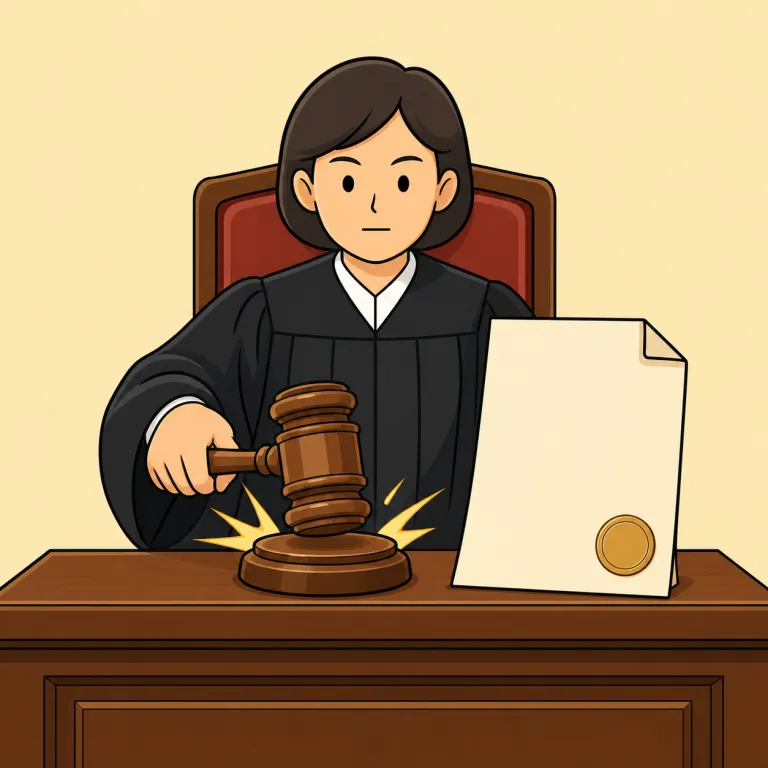
解説 Definition
judgement は judgment の英綴りの一つで、法廷では裁判所や裁判官が示す正式な判断、つまり判決を表す。事件の結論として当事者の権利義務や責任の有無を定める意味で使われ、日常語の単なる「判断」より法律的で公的な響きが強い。
Judgement is an official decision made by a court, especially after hearing a case. It can also mean the ability to form a sensible opinion or make a good decision. British English often spells it "judgement," while American English more often uses "judgment."
覚え方のコツ Memory Tip
まず judge(裁く・判定する)が見えれば中心はつかめます。そこに -ment が付くと「その結果として出たもの」という名詞になり、judgement は「判断」よりも重く、特に法廷で下される正式な判決を連想すると定着しやすいです。make a judgement なら判断、a court judgement なら判決、という場面差で覚えると混同しにくいです。なお米語では judgment の綴りも非常に一般的なので、意味は同じで綴り違いだと押さえると安心です。
Start with judge, then add -ment for the result of judging. In legal English, it often goes with verbs like issue, deliver, and appeal, so remember it as an official court decision. Also note the spelling: British English often uses "judgement," while American English often uses "judgment."
例文
The court issued a judgement in favor of the plaintiff.
裁判所は原告勝訴の判決を下した。
The judgement was appealed to a higher court.
その判決を不服として、上級裁判所への控訴が行われた。
After careful consideration, the judge delivered her judgement.
慎重に検討した後、判事は判決を言い渡した。
えいたんごクイズでの正答率
この語をはじめて出題された 56人 のうち 55人 が正解しました(98%)。
えいたんごクイズの回答から集計した独自データです。1人につき最初に出題されたときの1回だけを数えており、復習や2回目以降の回答、「わからない」と時間切れは含みません。 集計時点は 2026年9月19日 です。
判断力
(意味 3)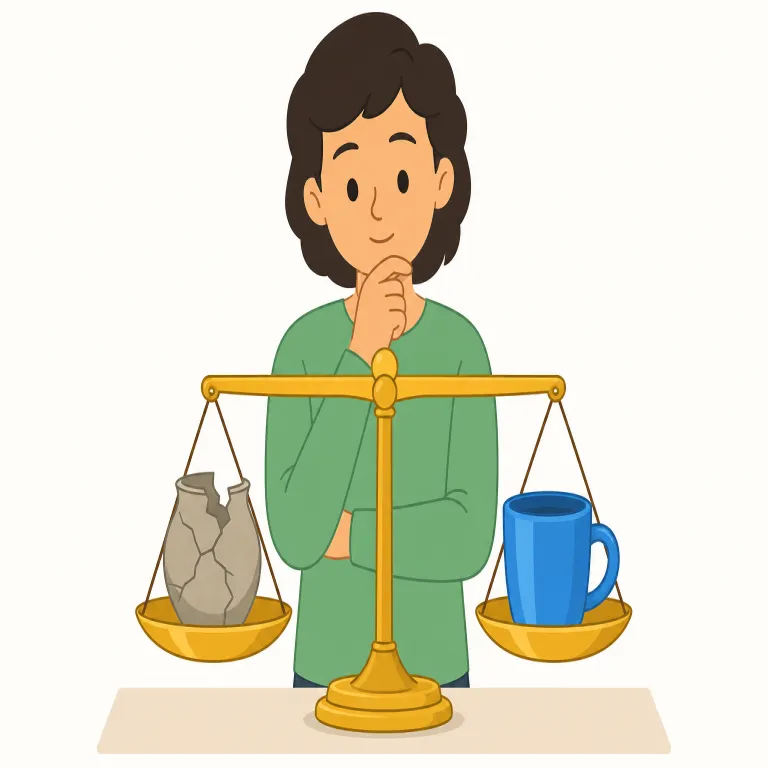
解説 Definition
何が適切かを見極め、良い決定を下す力を表す名詞です。経験や常識、冷静さに基づく実践的な能力を指し、人の性格評価や仕事上の資質を述べるときによく使われます。単発の判断ではなく、継続的に見極める力というニュアンスがあります。
The ability to decide what is appropriate and make good decisions based on experience, common sense, and calm thought. It describes a person's continuing practical ability rather than one particular decision.
覚え方のコツ Memory Tip
まず judge(裁く・判定する)が見えれば中心はつかめます。そこに -ment が付くと judgement は「見極めて決めること」ですが、この行では一回の judgement や court judgement「判決」ではなく、その人が何度も適切に見極められる力のこと。good judgement, sound judgement のように、経験や冷静さに支えられた判断の質を表すと覚えると、単なる判断と切り分けやすいです。なお米語では judgment の綴りも非常に一般的です。
Notice the verb "judge," meaning to evaluate or decide, and the noun ending "-ment." In this sense, phrases such as "good judgement" and "sound judgement" refer to a person's ability to make wise decisions, not to a court decision.
例文
Good judgement comes with experience.
良い判断力は経験とともに身につきます。
Managers need sound judgement under pressure.
管理職には、プレッシャーの中でも確かな判断力が必要です。
His lack of judgement caused the problem.
彼の判断力不足がその問題を招きました。
judgement の類義語・関連語
紛らわしい語
judgement の語源・成り立ち Etymology
judgementはjudgeと同じくラテン語judicare(裁く)にさかのぼり、judg-は「判定する」、-mentは名詞化の接尾辞です。justiceやjudicialも同じ語源で、「何が正しいかを言い渡すこと」から判断の意味になったと見える語です。
It is formed from judge and the noun-forming suffix -ment and ultimately goes back to Latin judicare, meaning “to judge.” It is related to words such as justice and judicial.
同じレベルの語彙をもっと
外部辞書で調べる
この英単語をクイズで覚えよう