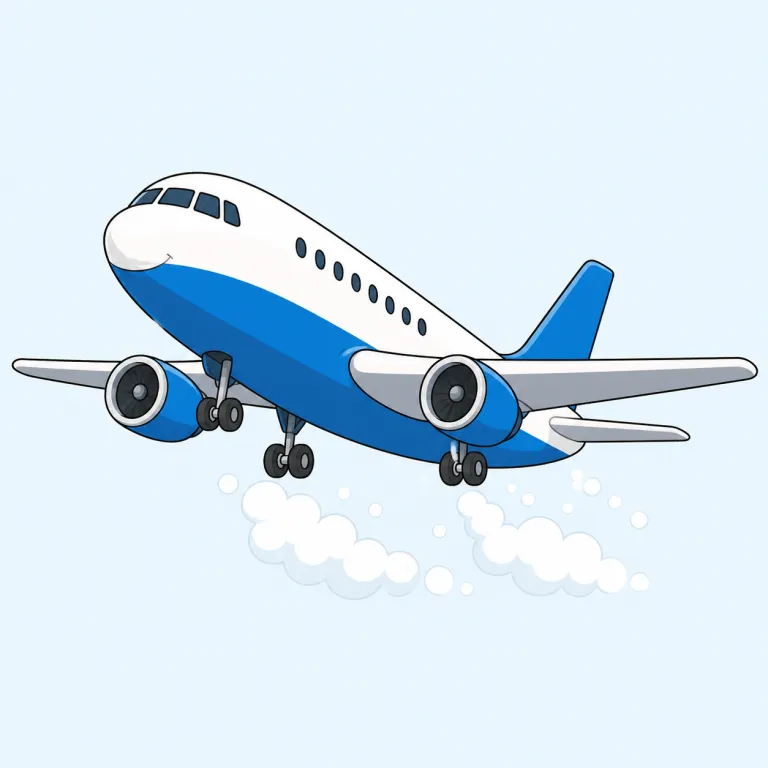
lift off
lift off は英検準1級・TOEIC 730・TOEFL 60・IELTS 5.5レベルの英熟語で、「離陸する」という意味があります。発音記号は /ˈlɪft ˈɔːf/ です。
離陸する
解説 Definition
宇宙船や飛行機が地上や台座などから離れて空中に上がる動作を表すフレーズ。しばしば打ち上げの瞬間や飛行機が滑走路を離れる瞬間を指し、科学や技術の文脈で「予定通りに離陸する」といった状況を描写するときに使われます。
This phrasal verb means to leave the ground and begin flying. It is especially used for airplanes, rockets, and spacecraft. It is common in aviation and space-related contexts.
覚え方のコツ Memory Tip
"lift" はまず「持ち上げる」、"off" は「離れて」の感覚でつなぐと、「地面から持ち上がって離れる」→「離陸する」と覚えやすいです。特に rocket / plane が主語になりやすく、the rocket lifted off, lift off on schedule の形で目にすると定着します。"take off" も離陸ですが、lift off は「ふわっと地面を離れる瞬間」やロケット打ち上げの場面がより強く浮かぶ表現です。名詞で "liftoff" と続けて書かれることもあるので一緒に押さえると混乱しません。
`Lift` means raise, and `off` means away from a surface. Together they create the image of a rocket or plane leaving the ground. It is especially common in space and flight contexts, and you may also see the noun `liftoff`.
例文
The shuttle lifted off at dawn.
シャトルは夜明けに離陸した。
After months of preparation, the weather allowed the balloon to lift off.
何か月もの準備を経て、天候が整って気球は飛び立てた。
We watched the rocket lift off from a safe distance.
私たちは安全な距離からロケットが離陸するのを見た。
えいたんごクイズでの正答率
この語をはじめて出題された 30人 のうち 24人 が正解しました(80%)。
えいたんごクイズの回答から集計した独自データです。1人につき最初に出題されたときの1回だけを数えており、復習や2回目以降の回答、「わからない」と時間切れは含みません。 集計時点は 2026年9月19日 です。
lift off の類義語・関連語
類義語
lift off の語源・成り立ち Etymology
liftは古ノルド語lypta「持ち上げる」、offは古英語of「離れて」にさかのぼります。つまり「上へ持ち上がって地面から離れる」が原義で、そこから「離陸する」の意味になりました。関連語にupliftがあります。
Lift comes from Old Norse lypta, meaning "raise," and off comes from Old English of, meaning "away" or "from." Together they originally meant rising up and away from a surface. That physical image led naturally to the modern use for an aircraft or spacecraft leaving the ground. A related English word is uplift.
同じレベルの語彙をもっと
英検準1級の一覧へ →外部辞書で調べる
この英熟語をクイズで覚えよう