
mad
mad は英検準2級・TOEIC 600レベルの英単語で、「怒った、狂った」という意味があります。発音記号は /ˈmæd/ です。
意味一覧 (2件)
怒った
解説 Definition
人が強い不満やいら立ちを感じている状態を表します。相手の行動や出来事に腹を立てているときに日常会話でよく使われ、be mad at someone の形で「人に怒っている」という言い方が典型的です。
Angry about someone's behavior or something that has happened. This adjective is common in everyday conversation, especially in American English.
覚え方のコツ Memory Tip
mad は日常会話、特に米語で angry に近い「怒った」を表します。be mad at someone で「人に怒っている」、get mad で「怒る」と形ごと覚えると使いやすいです。もともと「普通でない・理性を失った」の意味もありますが、この語義では怒りで気持ちが大きく乱れている状態を思い浮かべると定着します。
Remember be mad at someone for directing anger toward a person, and get mad for becoming angry. Picture your feelings becoming unsettled when someone does something that annoys you.
例文
My dad is mad.
私のお父さんは怒っています。
She is mad at me.
彼女は私に怒っています。
The boy looks mad.
その男の子は怒って見えます。
狂った
(意味 2)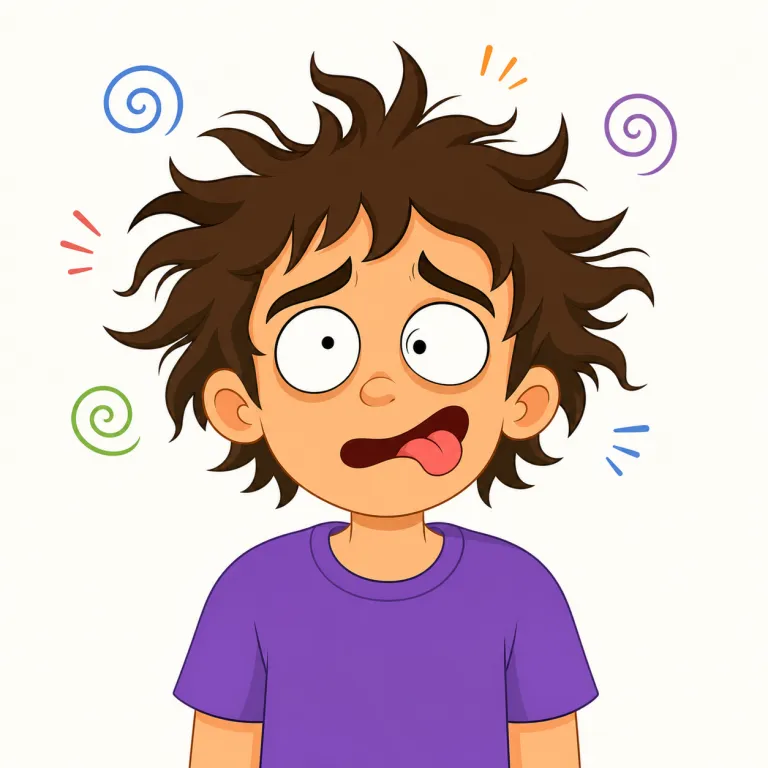
解説 Definition
この形容詞は理性を失い常識では説明できないほど極端な行動や考えを示します。怒りや恐怖などで心が乱れ、周囲がついていけないほど激しく振る舞うときに使います。思いつきや状態が極端で、冷静さが欠けていることを強調したい場面に最適です。
Mad most commonly means very angry in everyday English, especially in American English. In some contexts, it can also mean mentally ill or crazy, but that meaning can sound old-fashioned, informal, or offensive. The intended meaning depends on context.
覚え方のコツ Memory Tip
mad は madness(狂気), madden(怒らせる)の中心にある語だと見ると覚えやすいです。核のイメージは「理性の線を越えて普通ではない」。そこから a mad idea, a mad scientist のように、極端で常識外れな発想や人物にも使えます。go mad は「気が変になる」で頻出。さらに米語では be mad at ... で「…に怒っている」にもなるので、crazy 系の意味と angry 系の意味がある語として文脈で切り分けると混乱しにくいです。
Connect mad with madness to remember the idea of going beyond normal reason. That is why it fits phrases like go mad, a mad idea, or a mad scientist. In American English, mad can also mean angry, so the context matters.
例文
That is a mad idea.
それは正気とは思えない考えです。
The king went mad.
その王は狂ってしまいました。
The crowd went mad after the goal.
ゴールの後、観衆は熱狂しました。
えいたんごクイズでの正答率
この語をはじめて出題された 39人 のうち 37人 が正解しました(95%)。
えいたんごクイズの回答から集計した独自データです。1人につき最初に出題されたときの1回だけを数えており、復習や2回目以降の回答、「わからない」と時間切れは含みません。 集計時点は 2026年9月19日 です。
mad の類義語・関連語
mad の語源・成り立ち Etymology
古英語 gemǣd(e)d(狂った、愚かな)から。ゲルマン祖語で「変えられた、損なわれた」を意味する語根に由来し、正常な状態から変化した→正気を失った、という意味変遷をたどる。関連語: madness, madden。怒りの意味は米英語で後に発達した。
It comes from Old English gemǣd(e)d, meaning insane or foolish. Its Germanic background connects it with the idea of being changed or damaged.
同じレベルの語彙をもっと
英検準2級の一覧へ →外部辞書で調べる
この英単語をクイズで覚えよう