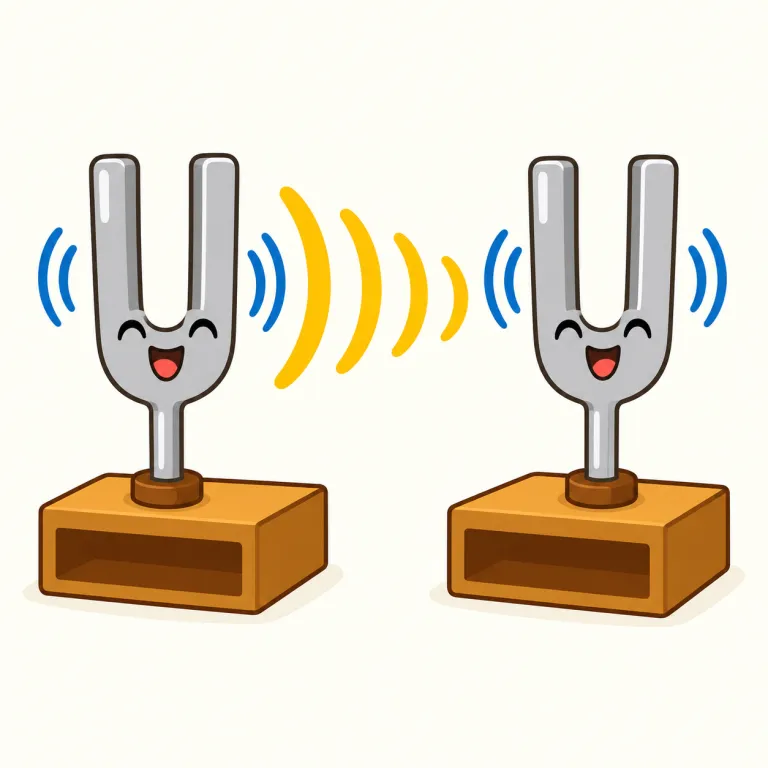
共鳴
解説 Definition
resonances は resonance(共鳴、反響、響き合い)の複数形です。音や振動が響き合う現象のほか、考えや感情が人の心に強く響くことを表す場合もあります。
The plural of resonance, referring to multiple instances, frequencies, or effects of strong sympathetic vibration or enhanced sound. In figurative use, it means several emotional, cultural, or intellectual associations through which an idea or work affects people deeply.
覚え方のコツ Memory Tip
単数形 resonance に複数語尾 -s が付いた形で、語末は /ɪz/ と発音します。語源の re-「再び」+sonare「鳴る」から、音や振動が何度も響き合う像を作りましょう。物理では bridge model の複数の共振、比喩では emotional resonances のように、一つの作品が呼び起こす複数の感情的な響きを表します。
Start with singular resonance and add -s; because the word already ends in an s-like sound, the plural ending is pronounced /ɪz/. Link resonances with sonic and sound: something vibrates and other sounds or feelings answer it. An engineer may measure several resonances in a bridge model, while a poem may carry emotional resonances for readers. The plural often points to different frequencies in physics or several layers of association in figurative language. Learn the combinations acoustic resonances and emotional resonances.
例文
The instrument produced several clear resonances in the hall.
その楽器はホールの中でいくつものはっきりした共鳴を生み出しました。
The engineer measured the resonances of the bridge model.
技師は橋の模型の共鳴を測定しました。
The poem has quiet emotional resonances for many readers.
その詩は多くの読者の心に静かな共鳴を呼び起こします。
resonances の類義語・関連語
resonances の語源・成り立ち Etymology
ラテン語 resonantia(反響)から。re-(再び)+ sonare(音を出す)が語源で、「音が繰り返し響く」が原義。関連語: sonic, sonata。物理学の共振現象にも転用され、心に深く響く感覚や共感の意味でも広く使われる。
Resonance comes from Latin resonantia, “echo,” related to resonare, “to sound again.” Resonare combines re-, “again or back,” with sonare, “to sound,” from sonus, “sound.” The term developed technical uses for reinforced vibration and frequency response, then broader figurative uses for ideas or feelings that continue to echo in the mind. Resonances is its regular plural form.
同じレベルの語彙をもっと
外部辞書で調べる
この英単語をクイズで覚えよう