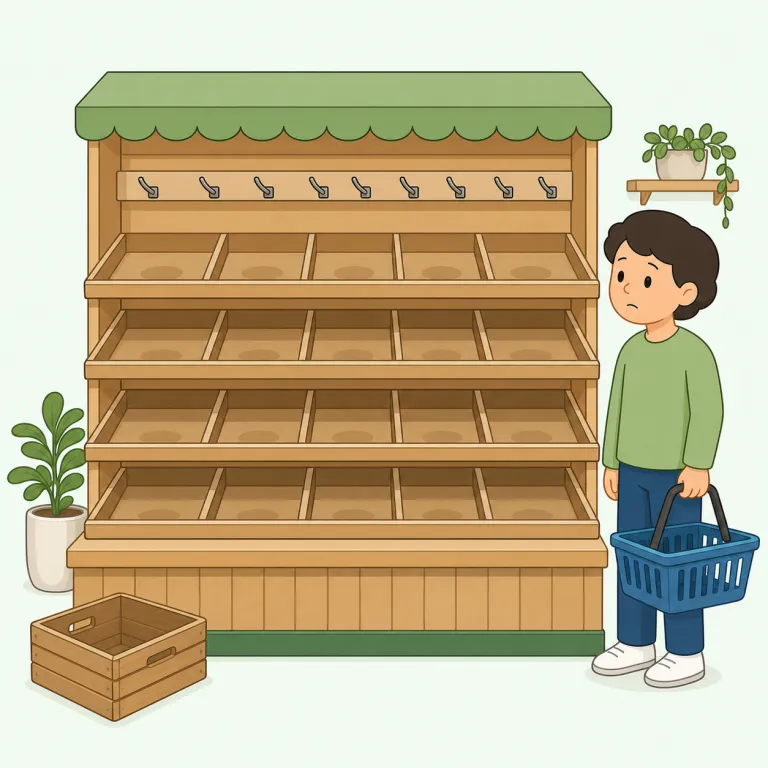
sold out
sold out は英検4級レベルの英語表現で、「売り切れた、完売した」という意味があります。発音記号は /ˈsoʊld ˈaʊt/ です。
売り切れた、完売した
解説 Definition
商品や席、チケットなどがすべて売れて、もう在庫や空きがない状態を表す表現です。店頭表示やイベント案内で「売り切れ」「完売」と伝えるときによく使われます。動詞 sell out に由来しますが、見出し語としては形容詞的に扱うのが自然です。
Sold out means that all of something has been bought, so none is left available. It is commonly used for products, tickets, rooms, and seats, and it usually comes after the verb be.
覚え方のコツ Memory Tip
まず sell「売る」を知っていれば、その過去分詞 sold は「売られた」。そこに out「外へ出切る・残らない」が付くので、sold out は「全部外に出て、もう残っていない」とまとまります。特に tickets, seats, products など“数に限りがあるもの”と相性がよく、The concert is sold out. の形で頻出。単なる unavailable よりも、「買われ尽くして空になった」感じを意識すると定着しやすいです。
Start with `sell`, then remember `sold` is its past form. Add `out`, which often gives the feeling of nothing left. So `sold out` creates a strong picture: everything was bought, and now there is none remaining.
例文
The tickets are sold out.
チケットは売り切れです。
This cake is sold out.
このケーキは売り切れです。
All bags are sold out.
すべてのバッグは売り切れです。
sold out の類義語・関連語
紛らわしい語
sold out の語源・成り立ち Etymology
sellは古英語sellan(与える、引き渡す)に由来し、元は「売る」より広く「渡す」意味だった。outは「完全に・尽きるまで」を表す副詞。sold outで「すべて渡し尽くした→完売」。関連語:sale(販売)、outsell(売上で上回る)。
Sold out joins sold, from sell, with out. Sell comes from Old English sellan, which originally had the broader sense of giving or handing over, not only selling. Out adds the idea of completeness, so the phrase came to mean that everything has been handed over and nothing remains.
同じレベルの語彙をもっと
英検4級の一覧へ →外部辞書で調べる
この英語表現をクイズで覚えよう