
spontaneously
spontaneously は英検1級・TOEIC 990・TOEFL 100・IELTS 7.5レベルの英単語で、「自然に、思わず、自発的に」という意味があります。発音記号は /spɑːnˈteɪniːəsliː/ です。
意味一覧 (2件)
自然に、思わず
解説 Definition
人が強く意識したり計画したりせず、感情や反応が自然に表れるときに使う。笑う、拍手する、会話が始まるなど、流れの中で思わず起こる行動や出来事によく用いられる。意志的な「自発的に」より、無意識で自然発生的な響きが強い。
This adverb describes something that happens naturally, without conscious planning or deliberate effort. It is often used for immediate reactions or actions that arise from the situation itself.
覚え方のコツ Memory Tip
まず形で覚えると残りやすいです。spontaneous(自発的な)に -ly が付いた副詞なので、「自発的に」という意味はそのまま取れます。会話では act spontaneously, decide spontaneously のように「前もって計画せず、その場の流れで自然にする」と結び付けるとよいです。forcedly ではなく、外から押されず内側から動く感じ。科学では「自然に起こる反応」にも使うので、人の意志と自然現象の両方で共通しているのは「外部の指示なし」です。
Recognize spontaneous plus the adverb ending -ly. Imagine a smile, applause, or conversation beginning naturally in the moment, without being planned or forced.
例文
She smiled spontaneously when she saw the puppy.
その子犬を見て、彼女は思わずほほえんだ。
The audience began clapping spontaneously at the end of the song.
曲が終わると、観客は自然に拍手し始めた。
A conversation started spontaneously while they were waiting for the train.
電車を待っている間に、自然と会話が始まった。
自発的に
(意味 2)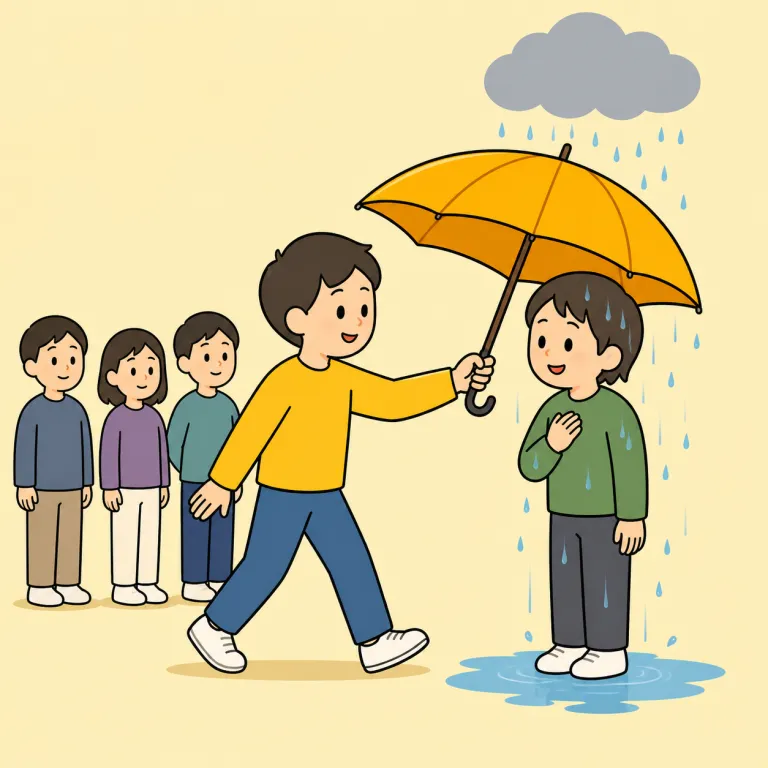
解説 Definition
自発的にとは、外部からの指示や強制なしに、自らの意志や衝動によって行動する様子を表す副詞です。物理・化学的な文脈では、外部からエネルギーを加えなくても自然に起こる反応や変化を指します。人間の行動においては、内発的な動機に基づいた主体的な姿勢を意味します。
Spontaneously means in a natural and unplanned way. It is used when someone does something without preparing for it in advance, often because of a sudden feeling or idea. The word can suggest freedom, freshness, or a quick reaction.
例文
She spontaneously decided to take a road trip without any prior planning.
彼女は思い立って、事前の計画なしにドライブ旅行に出ることにしました。
The volunteers spontaneously organized a cleanup drive after the storm.
ボランティアたちは嵐の後、自発的に清掃活動を組織しました。
Some chemical reactions occur spontaneously without the need for external energy.
一部の化学反応は外部エネルギーなしに自発的に起こります。
えいたんごクイズでの正答率
この語をはじめて出題された 31人 のうち 27人 が正解しました(87%)。
えいたんごクイズの回答から集計した独自データです。1人につき最初に出題されたときの1回だけを数えており、復習や2回目以降の回答、「わからない」と時間切れは含みません。 集計時点は 2026年9月19日 です。
spontaneously の類義語・関連語
spontaneously の語源・成り立ち Etymology
ラテン語 sponte「自ら進んで」と spontaneus を土台に、-ly が付いた語です。spont- には「内側から自発的に湧く」感覚があり、spontaneous や spontaneity も同根なので、「外から強いられず自然に」が見えてきます。
It is based on spontaneous and the ending -ly, ultimately drawing on Latin sponte, meaning “of one's own accord,” and spontaneus. The word family also includes spontaneity.
同じレベルの語彙をもっと
英検1級の一覧へ →外部辞書で調べる
この英単語をクイズで覚えよう