舞い上がらせる、かき混ぜる
phrasal_verb 句動詞動きによってほこり、泥、沈殿物などを舞い上がらせたり、水中に広げたりすること。通例 stir up dust、mud、sediment のように使い、感情や騒動を引き起こす既存の比喩的語義とは区別されます。
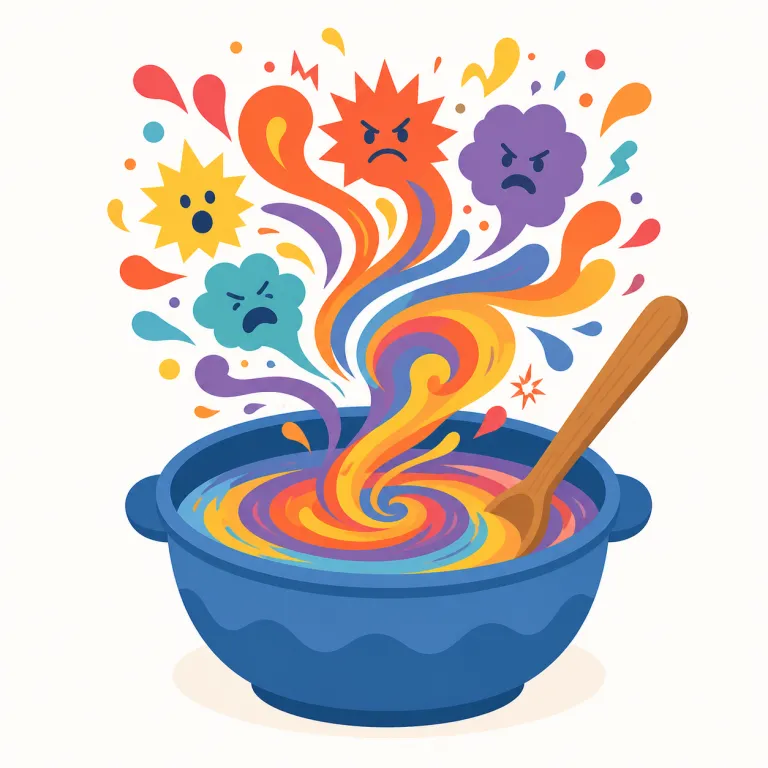
stir up は英検1級・TOEIC 730・TOEFL 60・IELTS 5.5レベルの英熟語で、「かき立てる」という意味があります。発音記号は /ˌstɜr ˈʌp/ です。
感情・騒動・議論などをかき立てて引き起こすこと。
To stir up something means to cause strong feelings, activity, or trouble. It is often used for emotions, arguments, public reaction, or memories. In literal use, it can also mean mixing something so that it moves.
まず stir は「かき混ぜる」。コーヒーを stir するように、静かな状態に動きを入れる語だと押さえる。そこに up が付くと、下に沈んでいた感情・問題・議論が上まで持ち上がって表面化する感じになる。だから stir up は単なる「混ぜる」ではなく、「怒り・不安・騒動をかき立てる」。bring up が話題を出すだけなのに対し、stir up は反応まで起こしやすい。stir up trouble, fear, controversy の形で覚えると使い分けしやすい。
"Stir" means mix, like stirring coffee. With "up," it suggests bringing something from below up to the surface. That is why "stir up" is often used for trouble, fear, anger, or controversy.
The controversial speech stirred up a heated debate online.
その物議を醸すスピーチはネット上で激しい議論を巻き起こした。
His remarks stirred up anger among the local residents.
彼の発言は地元住民の怒りをかき立てた。
The documentary stirred up memories of the war.
そのドキュメンタリーは戦争の記憶を呼び起こした。
文脈によって、次の意味でも使われます。
動きによってほこり、泥、沈殿物などを舞い上がらせたり、水中に広げたりすること。通例 stir up dust、mud、sediment のように使い、感情や騒動を引き起こす既存の比喩的語義とは区別されます。
stir up は stir「動かす・かき回す」に up が付いた形で、stir は古英語 styrian「動揺させる」に由来します。stirring や stirrer と同じ根で、ただ混ぜるのでなく「下に沈んだものまで上へ動かす」感じが、感情や議論をかき立てる意味につながります。
Stir comes from Old English styrian, meaning to move, disturb, or set in motion. Adding up gives the sense of lifting what was down below and making it active. That physical image developed into the figurative meaning of causing feelings, debate, or trouble to become active. Related words include stirring and stirrer.
この英熟語をクイズで覚えよう