損なう、減じる
verb 動詞数値を引くのではなく、欠点や出来事などが物事の価値、魅力、効果を弱めることを表す。通常 subtracts from ... の形で用い、detracts from に近い意味を持つやや形式的な表現である。
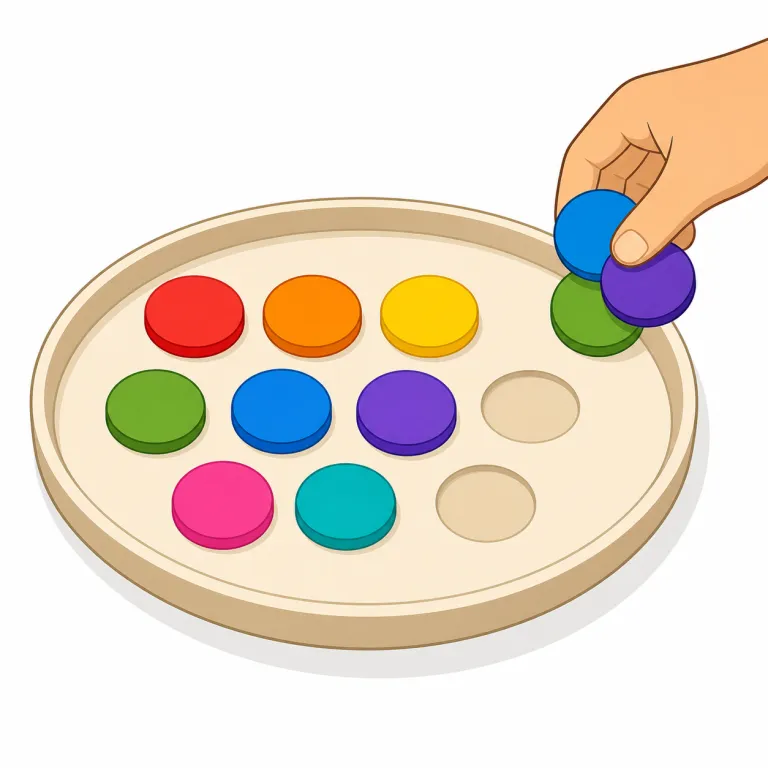
subtracts はTOEIC 860・TOEFL 80・IELTS 6.5レベルの英単語で、「(〜を)差し引く」という意味があります。発音記号は /səbˈtrækts/ です。
subtracts は subtract の三人称単数現在形で、ある数値や金額から別の数値や金額を引いて減らすことを表す。数学の計算だけでなく、合計額から割引や費用を差し引くような会計・日常の場面でも用いられる。
Subtracts means takes one number, amount, or value away from another. It is commonly used in math, accounting, and measurements. This is the present form used with singular subjects, such as he, she, or it.
add の反対として覚えるのが最短です。足すが add、引くが subtract。計算では subtract A from B で「BからAを引く」なので、語順を逆にしやすい点に注意。minus は記号や結果の見た目、subtract は実際に引く動作を表すことが多いと押さえると整理しやすい。sub- は「下げる」方向の接頭辞として見ると、total や price から何かを差し引いて数字を小さくする場面が浮かぶ。subtracts はその三単現で、The app subtracts a fee. のようにシステムやルールが自動で差し引く文でよく見ます。
Remember it as the opposite of `add`: add makes a number bigger, subtract makes it smaller. The prefix `sub-` often gives a sense of going down, so you can picture the total going down. Also note the pattern `subtract A from B` because English puts the smaller number after `from`.
She subtracts 5 from 20 to get 15.
彼女は20から5を差し引いて15を出す。
The program subtracts the discount from the total price.
そのプログラムは合計金額から割引額を差し引く。
The accountant subtracts all expenses from the revenue each month.
その会計士は毎月、収益からすべての経費を差し引く。
文脈によって、次の意味でも使われます。
数値を引くのではなく、欠点や出来事などが物事の価値、魅力、効果を弱めることを表す。通常 subtracts from ... の形で用い、detracts from に近い意味を持つやや形式的な表現である。
subtract はラテン語 sub-「下へ」+ trahere「引く」に由来し、「下へ引き去る」から差し引く意味になった。語尾 -s が付いても核は同じで、traction や attract にも trahere 系の「引く」イメージが残る。
Subtracts comes from subtract, from Latin sub-, meaning "from under" or "away," and trahere, meaning "to pull" or "draw." The basic image is of pulling something away, which developed into the mathematical sense of taking one amount from another. The same Latin root appears in words like attract, extract, and traction.
この英単語をクイズで覚えよう