
結局〜になる
解説 Definition
結果として最終的にある状態になること。予想と違う結果になること。
To turn out means to have a particular result in the end, especially after some time or uncertainty. It is often used when the final situation is different from what people expected or did not know before.
覚え方のコツ Memory Tip
turn「向きが変わる」に out「外へ出る」を重ねて、話の最後に“結果が表に出る”感覚で覚えると定着しやすい。途中で自分から変わるというより、成り行きの末に「結局そうなった」「〜だとわかった」と判明する語。It turned out that ... で事実の判明、turn out fine/well/bad で結果の評価を述べる形が頻出。end up も「結局〜になる」だが、turn out は観察してみた結果・判明した結末に寄りやすい。
Think of `turn` as a change in direction and `out` as something coming into the open. The final result comes out at the end: `It turned out that ...`. It often appears with result words like `fine`, `well`, or `bad`, so link it with the idea of a hidden ending becoming clear.
例文
The weather turned out to be much better than we expected.
天気は予想よりもずっと良かった。
It turned out that the rumor was completely false.
その噂は完全に嘘だったことがわかった。
The project turned out to be harder than we expected.
そのプロジェクトは結局、予想より難しいものになった。
判明する
(意味 2)
解説 Definition
事実や結果があとになって明らかになるときに使う。調査や確認、実際にやってみたあとで「〜だと分かる」という流れを表す。ニュース、調査結果、人の正体などが思っていたのと違う形で判明する場面で自然に使われる。
To be discovered or shown later to be a particular way. This expression introduces a fact that becomes clear after checking, investigating, or seeing what happens, sometimes contrary to expectations.
例文
It turned out that the rumor was false.
そのうわさは誤りだと判明した。
The missing file turned out to be on the backup drive.
なくしたファイルはバックアップドライブにあると分かった。
It turned out that he paid the bill.
彼が会計を済ませたと判明した。
集まる
(意味 3)
解説 Definition
人々がある場所や行事に現れる、参加するという意味で使う。予想より多い人や少ない人が来たことを述べる場面や、応援・投票・祝賀のために人が集まる文脈でよく使われる。ニュースでも会話でも自然な表現。
To come to an event or place to attend or take part. This expression often emphasizes how many people attend, especially to vote, celebrate, or show support.
覚え方のコツ Memory Tip
turn「向きが変わる」に out「外へ出る」を重ねて、人が家や普段の場所から“外へ出て会場に向かう”感覚で覚えると定着しやすい。事実が表に出る「判明する」ではなく、人が実際に姿を見せて「集まる」語。A lot of fans turned out for the parade. のように、行事・投票・応援などにどれだけ人が来たかを述べる形が頻出。show up も「現れる」だが、turn out は人数や参加状況をまとめて言う場面に寄りやすい。
Picture people coming out of their homes and heading toward an event. Remember fans turn out for a parade, with attention on how many people come.
例文
A lot of fans turned out for the parade.
多くのファンがパレードに集まった。
Few voters turned out in the rain.
雨の中では投票に来た人が少なかった。
Neighbors turned out to welcome the team home.
近所の人たちがチームを迎えるために姿を見せた。
生産する
(意味 4)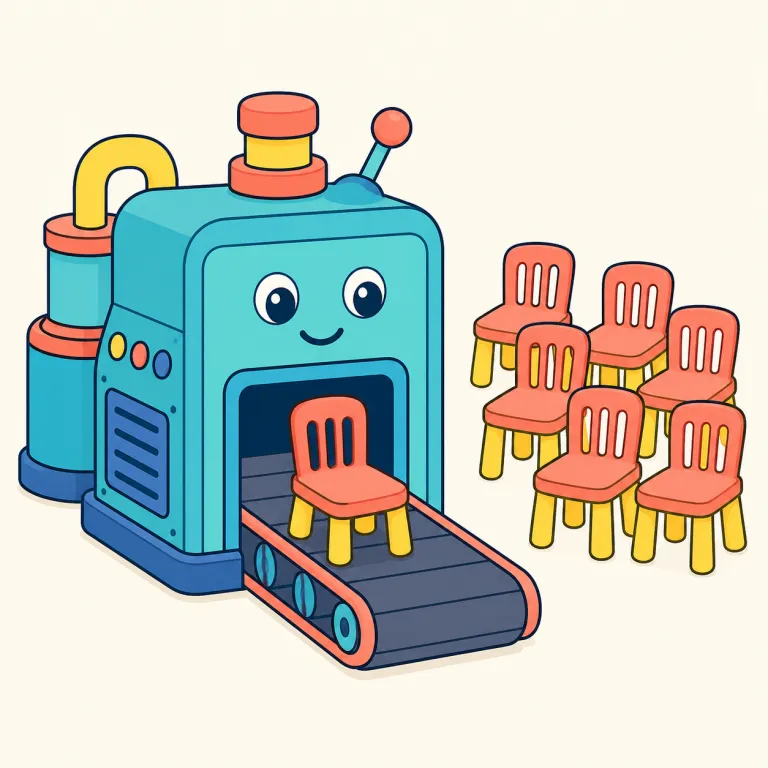
解説 Definition
工場や会社、作り手が製品や作品を次々に作り出すことを表す。一定量を継続的に生産する響きがあり、大量生産だけでなく、質のそろったものを安定して世に出す文脈でも使われる。
To produce goods or creative works regularly, often in considerable numbers. This expression commonly describes a factory, company, or maker maintaining a steady supply of products.
覚え方のコツ Memory Tip
turn「回して作業する」に out「外へ出す」を重ねて、工場のラインから製品が次々“外へ出てくる”感覚で覚えると定着しやすい。成り行きが「判明する」のではなく、作り手が物を作って世に出す語。turn out cars / chairs / copies のように、一定量を継続して生産する文脈が頻出。make よりも、設備や組織が安定して数を作り出す響きが出やすい。
Picture machines turning while finished products come out of a factory line. Connect this image with a maker steadily producing cars, chairs, or copies, sometimes with consistently good quality.
例文
The factory turns out 500 cars a day.
その工場は1日に500台の車を生産する。
The workshop turns out handmade chairs every month.
その工房は毎月手作りの椅子を生産している。
The company turns out reliable engines every year.
その会社は毎年、信頼できるエンジンを生産する。
turn out の類義語・関連語
turn out の語源・成り立ち Etymology
turn は古フランス語 tourner、さらにラテン語 tornare「回す」に由来し、out が加わって「外へ回って出る」が原義です。そこから「姿が現れる」→「結果としてそうなる」へ意味が展開しました。関連語は turnout, overturn です。
"Turn" came into English through Old French tourner, from Latin tornare, meaning "to turn" or "to rotate." With "out," the early image was of something turning outward and coming into view. From that, the phrase developed into meanings like something appearing, and later becoming a certain result. Related words include "turnout" and "overturn."
同じレベルの語彙をもっと
外部辞書で調べる
この英熟語をクイズで覚えよう