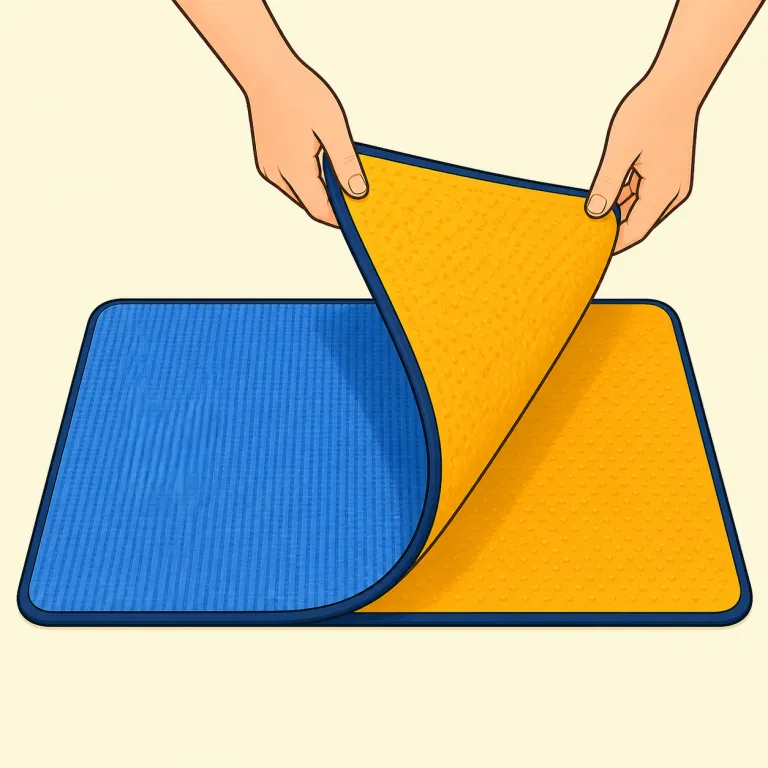
turn over
turn over は英検準1級レベルの英熟語で、「裏返す、引き渡す、めくる、寝返りを打つ」という意味があります。発音記号は /tɜrn ˈoʊvər/ です。
裏返す
解説 Definition
物を回転させ、今まで下や裏だった面が上や表になるようにひっくり返すことを表します。食べ物、カード、箱などを実際に裏返す場面で使います。
To turn something over means to move it so that the other side faces up or outward. It is commonly used for physical objects such as cards, pages, or containers. The meaning is usually literal in this use.
覚え方のコツ Memory Tip
turn を「向きを変える」、over を「反対側へ」と捉え、パンケーキやカードをくるっと回して反対面を上にする絵を思い浮かべます。turn over a pancake / card のような具体的な組み合わせで、物を「裏返す」語義を覚えると定着しやすいです。
Picture turning something so the other side comes up: a page, a card, a pancake. That physical image makes the phrase easy to remember. Later, the same idea can extend to giving something over to another person, such as work or responsibility.
例文
Turn over the pancake when bubbles appear.
泡が出たらパンケーキをひっくり返しなさい。
She turned over the card to reveal the answer.
彼女は答えを見るためにカードを裏返しました。
Turn the fish over and cook the other side.
魚を裏返して反対側を焼いてください。
引き渡す
(意味 2)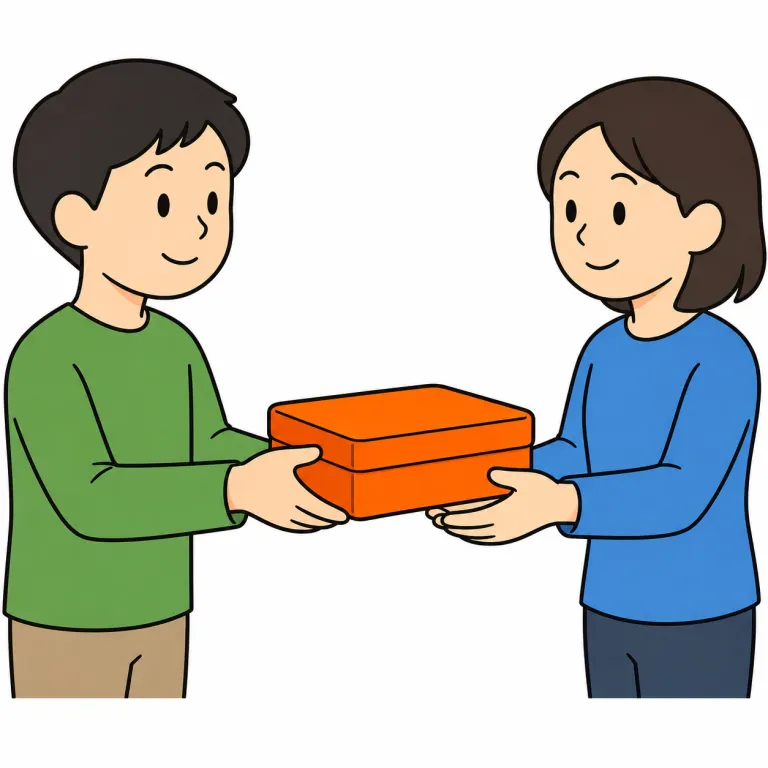
解説 Definition
物や権利、責任などを他人や組織に渡すときの表現です。鍵や書類を手渡す場面のほか、容疑者を警察に引き渡すような、やや正式で責任の移動を伴う文脈でもよく使われます。単なる give より、管理や所有を相手に委ねる響きがあります。
This means to transfer an object, person, right, or responsibility to someone else's control. It often suggests a formal change of possession or authority rather than simply giving something.
覚え方のコツ Memory Tip
turn を「向きを変える」、over を「相手側へ」と置くと、自分の手元で管理していたものを相手の側へくるっと回して渡す絵が浮かぶ。"turn over the keys / documents / evidence" のように、鍵・書類・証拠などを正式に渡す場面で覚えると定着しやすい。物を裏返す意味もあるが、この語義では「こちら側の管理を相手側へ移す」ことが中心。hand over と近く、所有や責任を相手に委ねる響きがある。
Imagine moving something from your side over to another person's side. Keys, documents, evidence, and responsibility are common objects because the expression emphasizes transferring control.
例文
Please turn over your badge at the front desk before you leave.
帰る前に受付へバッジを引き渡してください。
He turned over the keys to the new owner this morning.
彼は今朝、新しい持ち主に鍵を引き渡した。
The guard turned the suspect over to the police.
警備員は容疑者を警察に引き渡した。
めくる
(意味 3)
解説 Definition
本や書類の次の面を見るために、ページを一枚先へ進めることを表します。読書中や資料確認でよく使われ、紙をめくる具体的な動作に焦点があります。比喩的な意味ではなく、実際にページを動かす場面で使うのが基本です。
This means to move a page so that its other side or the next page can be seen. It describes the physical action performed while reading or examining papers.
覚え方のコツ Memory Tip
turn を「向きを変える」、over を「向こう側へ」と置くと、まずは物をくるっと回して反対面を上にする絵が浮かぶ。"turn over a page / pancake / card" のような具体場面で覚えると定着しやすい。そのうえで「自分の側のものを相手側へ回す」と考えると、仕事や責任を引き渡す意味にも自然につながる。hand over と近いが、turn over は物理的に裏返す意味でも非常によく出るので、直後の名詞で判断すると混乱しにくい。
Picture changing a page's position so that it moves over and reveals what comes next. Focus on the concrete pattern “a page” or “the pages” after the verb to distinguish this sense from its other uses.
例文
Turn over the page and read the next section.
ページをめくって次の節を読みなさい。
She turned over the pages of the album very carefully.
彼女はアルバムのページをとても丁寧にめくった。
I turned over a few pages until I found the chart.
図表が見つかるまで数ページめくった。
寝返りを打つ
(意味 4)
解説 Definition
人や動物が体の向きを変えて反対側を向くことを表し、寝ているときの寝返りで特によく使われます。文脈によっては小舟や車などがひっくり返る意味にもなりますが、外から何かを裏返す他動的な意味とは区別されます。
This means to change the position of your body so that you face or rest on the opposite side. It is especially used for rolling onto another side while in bed or asleep.
覚え方のコツ Memory Tip
turn over は turn「向きを変える」+over「反対側へ」と捉え、布団の中で体がごろんと反対向きになる一動作を思い浮かべると定着しやすい。turn over in bed、turn over in one's sleep が寝返りの定番表現。赤ちゃんについて The baby turned over by himself と言えば、自力で体の表裏を変えた場面になる。外から物を裏返すのではなく、主語自身が体の向きを変える自動詞用法だと押さえ、roll over「ごろんと転がる」とも関連づけよう。
Imagine your body going from one side to the other under a blanket. Phrases such as “in bed” and “in one's sleep” signal this intransitive sense, where the subject moves its own body.
例文
The baby turned over by himself for the first time.
赤ちゃんは初めて自分で寝返りを打った。
He turned over in his sleep and started snoring again.
彼は眠ったまま寝返りを打ち、またいびきをかき始めた。
She turned over in bed and pulled up the blanket.
彼女はベッドで寝返りを打ち、毛布を引き上げた。
turn over の類義語・関連語
turn over の語源・成り立ち Etymology
turnは古英語tyrnanとラテン語tornare(旋盤で回す)に由来し、overは古英語ofer(越えて)から。「回転させて反対側を越えて見せる」が原義。関連語:tornado(竜巻=回転する嵐)、overturn(ひっくり返す)。物を回して裏面を上にする動作がそのまま意味になっている。
Turn comes through Old English and is related to Latin tornare, "to turn on a lathe," while over comes from Old English ofer, meaning "across" or "beyond." The original picture is of rotating something so it goes over to the other side. From that physical action, turn over came to mean reversing position or showing the other side.
同じレベルの語彙をもっと
英検準1級の一覧へ →外部辞書で調べる
この英熟語をクイズで覚えよう