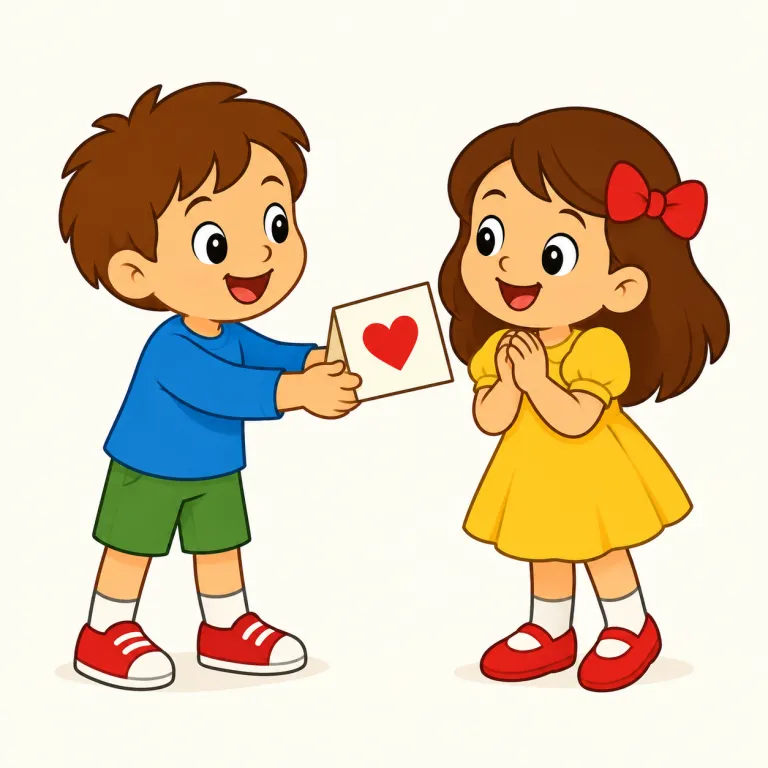
カード
解説 Definition
カード、つまり小さな紙片やプラスチック製の札という意味です。日本語の「カード」と近く、誕生日カード、身分証、銀行カードなど幅広く使われます。
A small, usually flat and rectangular piece of paper, stiff material, or plastic used for writing messages, showing information, making payments, proving identity, or playing games. Its particular purpose is often specified by another word, as in birthday card or identity card.
覚え方のコツ Memory Tip
card は「薄く小さな紙・厚紙・プラスチック片」が中心像です。そこから birthday card、ID card、bank card、playing card のように、目的を表す語を前に置いて種類を示します。日本語の「カード」より範囲が明確になるよう、何のカードかを組み合わせで覚えましょう。紙に由来する語で、chart や carton との歴史的なつながりも手掛かりになります。
Keep one central image: a small, flat, rectangular piece of paper or plastic. Different purposes create familiar combinations—“birthday card” carries a message, an “ID card” proves identity, a “bank card” enables payment, and a “playing card” belongs to a game. The Japanese loanword カード is a useful starting point, but English speakers often specify the type by placing another noun before card. Its historical association with paper also provides a link to chart and carton, although those words now refer to different kinds of objects.
例文
This card is for you.
このカードはあなたへのものです。
She wrote her name on the card.
彼女はカードに自分の名前を書きました。
I put the card in my bag.
私はそのカードをかばんに入れました。
card の類義語・関連語
類義語
紛らわしい語
card の語源・成り立ち Etymology
ラテン語 charta(パピルスの葉、紙)からギリシャ語 khartēs(紙片)に遡り、古フランス語 carte を経て英語に入った。「紙片」が原義で、トランプや名刺など薄い紙状のものを広く指す。関連語: chart(図表)、carton(厚紙箱)。
Card entered English through French carte and is related to Latin charta and Greek khartēs, words referring to papyrus, paper, or a sheet of writing material. Its earliest central idea was therefore a piece of paper or pasteboard. The meaning later expanded to playing cards, message cards, identity documents, and plastic payment cards. Chart and carton are historical relatives, though their modern meanings have developed along separate paths.
同じレベルの語彙をもっと
外部辞書で調べる
この英単語をクイズで覚えよう