abetting
意味一覧 (4件)
教唆
解説 Definition
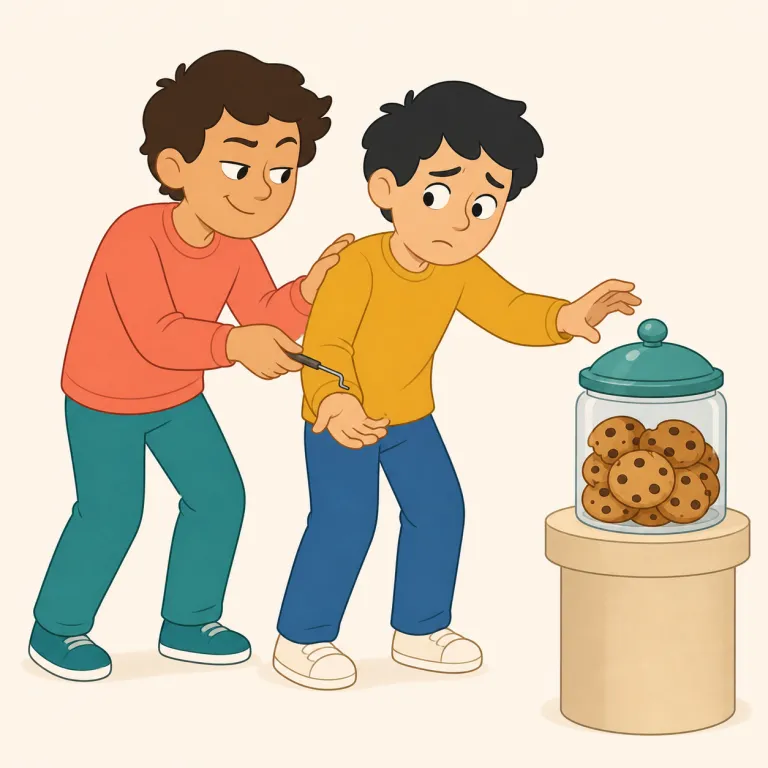
他者の犯罪行為を助長または奨励する行為を指す。共犯者になるための援助も含まれる。
Abetting is the act of helping, encouraging, or supporting someone in doing something wrong or illegal. It is most common in legal or formal contexts, especially in the phrase "aiding and abetting." The word has a clearly negative meaning.
覚え方のコツ Memory Tip
このエントリの abetting は、別に覚える基本義の「幇助」ではなく、相手を犯罪や不正へ向かわせる「教唆」に焦点を当てます。動詞 abet には、単に手を貸すだけでなく、悪事をするよう促す感覚もあります。instigate や incite のように「そそのかす」方向を意識し、誰かを実行へ押し出す行為として覚えると、この珍しい訳語を区別しやすくなります。
Start with the verb `abet`. Unlike `help`, which can be good or neutral, `abet` is usually used for helping with something wrong or criminal. The fixed legal phrase `aiding and abetting` is very common, so `abetting` is easier to remember in that pair.
例文
He was charged with abetting the criminal in the robbery.
彼は強盗事件で犯人を教唆した罪で起訴された。
The law punishes both the crime and the abetting of it.
その法律はその犯罪とその教唆の両方を罰する。
She was accused of abetting her friend's escape from prison.
彼女は友人の刑務所からの逃亡を教唆した疑いで告発された。
幇助
(意味 2)解説 Definition
犯罪を助けるまたは助長する行為。他人が違法行為を行うのを知りながら、支援や奨励を提供すること。
例文
He was charged with abetting a robbery.
彼は強盗の幇助で起訴された。
Abetting a crime is also illegal.
犯罪の幇助も違法である。
She was accused of abetting the criminal.
彼女は犯人の幇助で非難された。
幇助
(意味 3)解説 Definition
犯罪や不正行為を実行する人に、道具・情報・場所などを提供して実際に助ける行為を指す。法的・正式な文脈で使われ、本人が直接犯行を行わなくても関与が問われる場合に出る。
Abetting is the act of helping someone carry out a crime or other wrongful act. It usually means giving practical support, such as tools, information, money, or a place to hide. The word is mainly used in legal or formal contexts. A person can be guilty of abetting even if they did not do the main act themselves.
覚え方のコツ Memory Tip
abetting は動詞 abet の -ing 形で、「悪いことをする人を実際に助けること」と押さえると覚えやすいです。help や assist は良い場面にも使えますが、abet は犯罪・不正への関与にほぼ限られます。特に aiding and abetting は法務英語の定番表現で、逃走用の車を用意する、情報を渡すなど、実行犯を支える行為を思い浮かべると幇助の意味に結びつきます。
Think of abetting as the -ing form of abet, meaning "actually helping someone do something wrong." Unlike help or assist, abet is used almost only for crime or wrongdoing. The common legal phrase aiding and abetting can help you remember it: imagine giving a criminal a getaway car or useful information.
例文
The prosecutor argued that giving the robber a car was an act of abetting.
検察は、強盗に車を用意したことは幇助に当たると主張した。
She denied any involvement in the fraud, but the emails suggested abetting by passing along key information.
彼女はその詐欺への関与を否定したが、メールは重要な情報を渡して幇助したことを示していた。
The film explores how small choices can slowly turn into abetting when someone keeps helping a criminal friend.
その映画は、犯罪者の友人を助け続けることで、小さな選択が次第に幇助になっていく様子を描いている。
援助
(意味 4)解説 Definition
犯罪や不正な行為を助長する、支援する。誰かが悪いことをするのを手助けしたり促進したりする行為。法律では、犯罪を助長した者も責任を問われることがある。
例文
The accountant was charged with abetting the company's tax fraud.
その会計士は会社の脱税を助長したとして告発された。
By staying silent, the witnesses were abetting the crime.
黙り込むことで、目撃者たちは犯罪を助長していた。
They are abetting social change through their activism.
彼らは活動主義を通じて社会的変化を助長している。
abetting の語源・成り立ち Etymology
abetting は abet に由来し、古フランス語 abeter「けしかける」にさかのぼります。a-「〜へ」+ beter「犬を向ける」が核で、獲物へ犬を仕向ける絵から人に悪事をさせる「教唆」になりました。bait や abettor にも同じ「けしかける」感覚があります。
Abetting comes from abet, which entered English from Old French abeter, meaning "to urge on" or "set on." The word is built around the idea of directing dogs toward prey, so it first suggested pushing someone into action. That image later became the legal and moral sense of encouraging another person to do wrong. Related words include abettor and bait.
外部辞書で調べる
この単語を英単語クイズで覚えよう