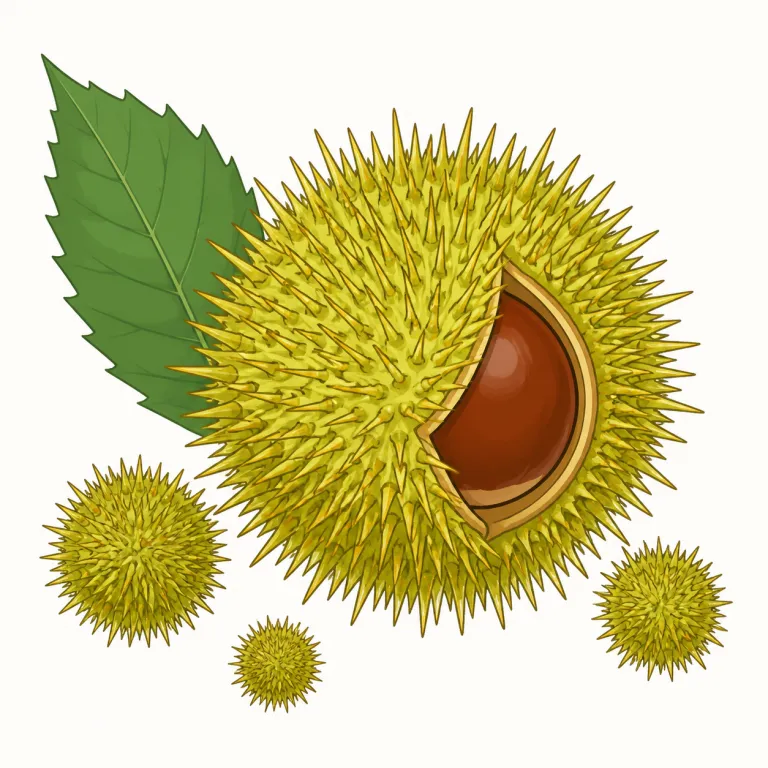
とげのある
解説 Definition
とげやいがのある状態。植物の実や表面がざらざらしているさま。
Burry means covered with burrs, which are small rough seed cases or prickly parts of plants that stick to clothes or animal fur. It can also describe something with a rough, prickly texture.
覚え方のコツ Memory Tip
`burry` はまず `burr`(服や動物の毛にひっつく、トゲのある実・いが)を核にすると覚えやすい語です。`-y` が付いて「burrっぽい状態」だと考えると、「とげのある・いがいがした・ざらつく」がまとまります。ふわふわの `furry` と見た目が少し似ていますが、こちらは柔らかさではなく“引っかかる感じ”が中心。植物の実、表面、種などが服にくっつく場面を思い浮かべると定着しやすいです。つづりは `bury`(埋める)と混同しないよう注意。
Start from `burr`, the small prickly thing that sticks to clothes or animal fur. Add `-y`, and `burry` means full of that kind of rough, clingy, prickly quality. It looks a little like `furry`, but the feeling is the opposite: not soft, but catching and scratchy.
例文
The burry seeds clung to my socks after I walked through the meadow.
草原を歩いた後、とげのある種が靴下にくっついた。
Burry plant matter tangled in the dog's fur after its run in the field.
野原を走り回った後、犬の毛にはとげのある植物片が絡まっていた。
She carefully removed the chestnuts from their burry outer casings.
彼女は栗をとげのある外殻から丁寧に取り出した。
burry の類義語・関連語
紛らわしい語
burry の語源・成り立ち Etymology
burry は中英語 burre「ひっつく刺のある実」に -y が付いた語で、北欧系語源とされる。bur や burdock が同系で、服や毛にからむ“いが”の感じから「とげのある・ごわつく」という意味になった。
Burry comes from Middle English burre, the name of a rough seed case that sticks to clothes or fur, plus the adjective ending -y. The word is thought to come from a Scandinavian or other northern Germanic source. From the idea of something full of burs, it came to mean rough, prickly, or covered with clinging bits; compare bur and burdock.
同じレベルの語彙をもっと
外部辞書で調べる
この英単語をクイズで覚えよう