chaos
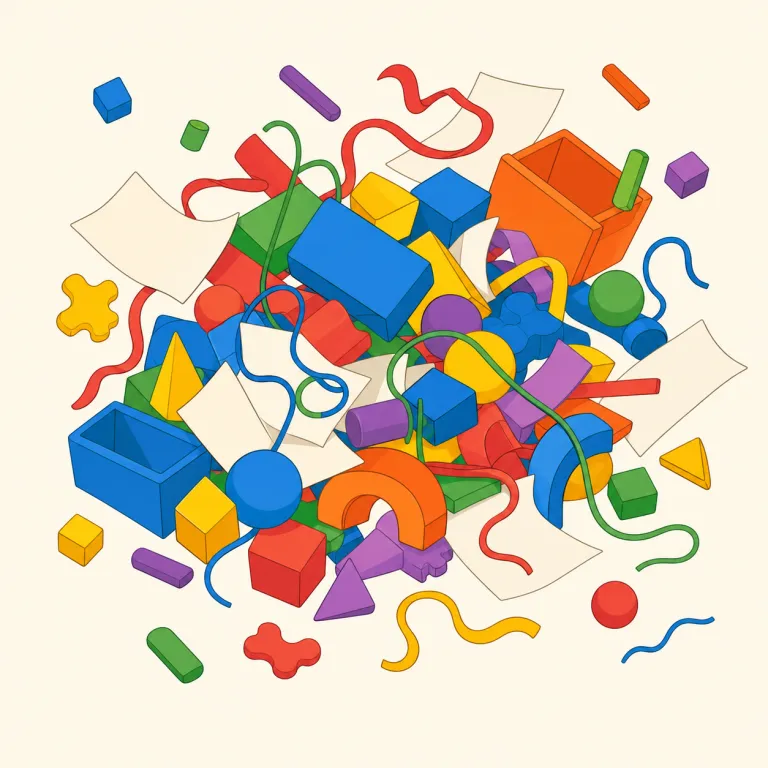
chaos は英検2級レベルの英単語で、「混沌、大混乱」という意味があります。発音記号は /ˈkeɪɑːs/ です。
意味一覧 (2件)
混沌
解説 Definition
秩序がなく、非常に混乱した状態のことです。何かが整理されていなくて、どうなるか分からない様子を表します。
Chaos is a state of complete confusion, disorder, or lack of control. It is used when people, events, or systems become very disorganized and hard to manage. This word often describes stressful or messy situations.
覚え方のコツ Memory Tip
まず対義語の order(秩序)とセットで覚えると定着しやすい語です。chaos は単なる mess「散らかり」や confusion「困惑」より強く、全体が収拾不能な混乱になっている感じ。ニュースでは in chaos, total chaos, cause chaos が頻出で、交通網・教室・社会が一気に制御不能になる場面と結びつけると覚えやすいです。形容詞 chaotic も一緒に押さえると、名詞と形容詞で記憶がつながります。
Remember it with its opposite: `order`. `Chaos` is not just a small mess; it feels like everything is out of control. The phrases `total chaos` and `cause chaos` are common, and `chaotic` helps you remember the word family.
例文
The classroom was in chaos after the game.
試合の後、教室は混沌とした状態だった。
Chaos comes before new order.
新しい秩序が生まれる前には混沌が訪れます。
The storm left the town in chaos.
嵐の後、町は混沌とした状態になった。
えいたんごクイズでの正答率
この語をはじめて出題された 34人 のうち 33人 が正解しました(97%)。
えいたんごクイズの回答から集計した独自データです。1人につき最初に出題されたときの1回だけを数えており、復習や2回目以降の回答、「わからない」と時間切れは含みません。 集計時点は 2026年9月19日 です。
大混乱
(意味 2)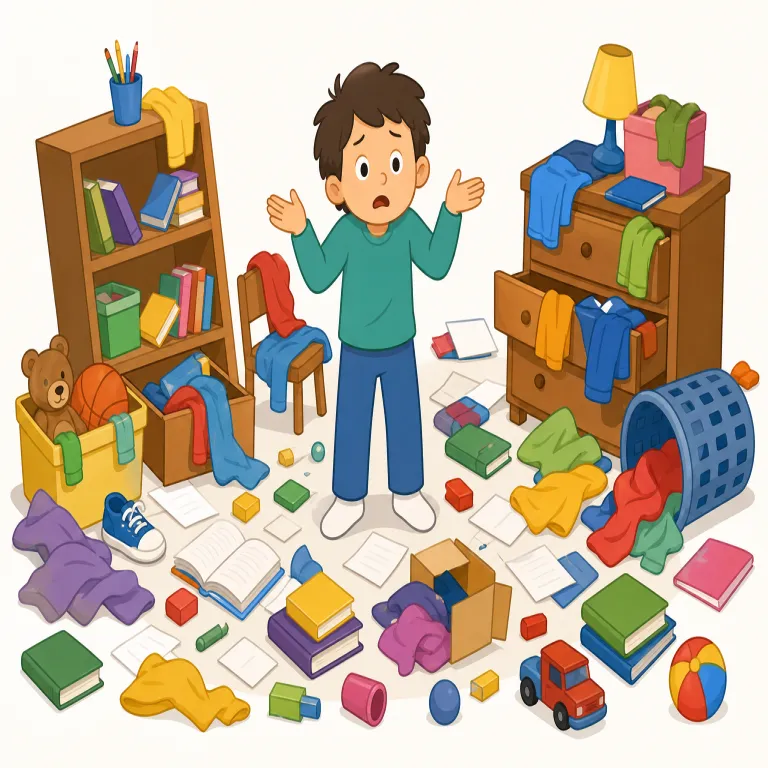
解説 Definition
人や物事が入り乱れ、秩序がなくなって収拾がつかない大混乱の状態を表す。事故や災害の直後、予定変更が重なった職場や教室など、現場がてんやわんやになる具体的な場面でよく使う。抽象的な「混沌」より、目の前のひどい混乱を言う感じが強い。
A state of extreme confusion in which things are disorganized and difficult to control. It can describe a workplace, classroom, or transport system when normal arrangements completely break down.
例文
The storm caused chaos at the airport.
嵐で空港は大混乱になりました。
The missing file caused chaos in the office.
ファイルが見つからず、職場は大混乱になりました。
The class was in chaos without the teacher.
先生がいない間、教室は大混乱でした。
chaos の類義語・関連語
対義語
派生語
chaos の語源・成り立ち Etymology
chaos はギリシャ語 khaos「ぽっかり開いた空間・深い裂け目」にさかのぼり、ラテン語 chaos を経て英語へ入った語です。もとは「何も整っていない口の開いたような空虚」で、そこから「混沌」の意味に発展しました。関連語に chasm があります。
Chaos comes from Greek khaos, meaning a wide empty space, gap, or deep opening, and passed through Latin chaos into English. At first it suggested a shapeless void before order existed. From that image, the meaning developed into the idea of complete disorder; chasm is a related English word from the same Greek root.
同じレベルの語彙をもっと
英検2級の一覧へ →外部辞書で調べる
この英単語をクイズで覚えよう