
derive
derive は英検2級・TOEIC 730・TOEFL 60・IELTS 5.5レベルの英単語で、「導き出す、由来する」という意味があります。発音記号は /dəˈraɪv/ です。
意味一覧 (2件)
導き出す
derive の覚え方 How to remember derive
derive は「元のものから引っぱってくる」と覚えると残りやすい。数学の derivative(派生したもの・導関数)を知っていれば、元の式から別の形を取り出す感覚がそのままつながる。形は derive A from B / be derived from B が頻出で、data から結論を導く、experience から利益を得る、のように「材料・出発点がある」のが核心。invent のようにゼロから作る語ではなく、deduce よりも「何から出たか」が見えやすい語。
Remember "derive" as "pull from a source." The common pattern is "derive A from B," which helps you see that something comes out of something else. Unlike "invent," it is not from zero; the starting point matters.
解説 Definition
あるものから別のものを引き出したり、導き出したり、あるいは起源を持つことを表す動詞です。数学的・論理的な話では「導出する」という意味で、語源を語るときには「〜に由来する」という意味で使われます。さらに、何かから利益や喜びを得るという場合にも用いられます。
To derive means to get or obtain something from a source. It can also mean to work out an answer or idea by using facts, logic, or calculation. The word is common in academic, scientific, and formal writing.
例文
The word 'biology' is derived from Greek.
「biology」という単語はギリシャ語に由来している。
She derives great pleasure from reading novels.
彼女は小説を読むことから大きな喜びを得ている。
Scientists derived a formula from years of experimental data.
科学者たちは何年もの実験データから公式を導き出した。
由来する
(意味 2)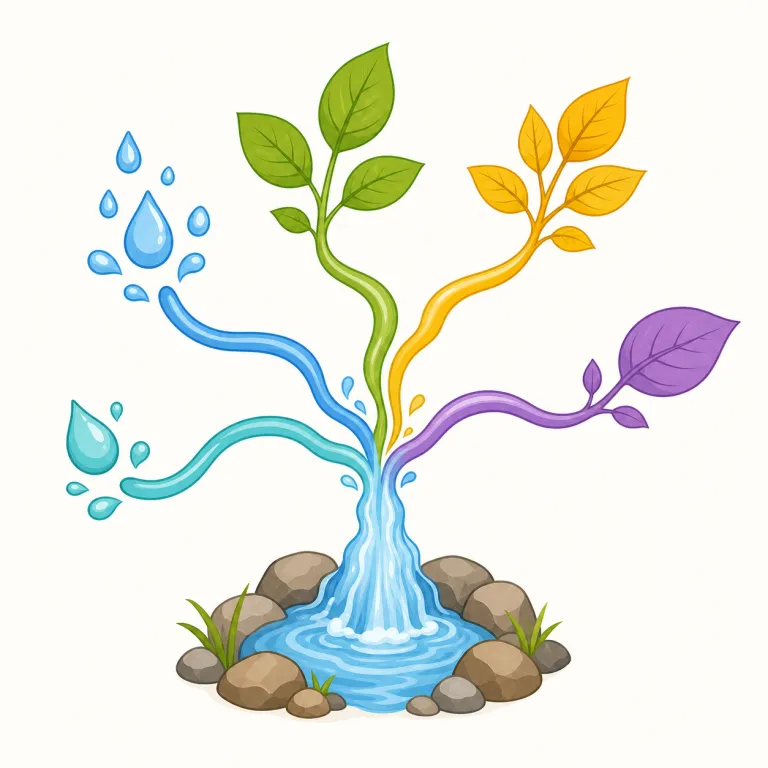
解説 Definition
ある源から由来する、生じる。何かが別のものから来たことや、その起源を示す。
To derive something means to get it from a source or to develop it from something else. It is often used for ideas, words, meaning, or benefits that come from another thing. In academic writing, it can also mean to reach a result by reasoning or calculation.
覚え方のコツ Memory Tip
derive はまず derive A from B という形で固めると覚えやすい。from が入るので「B から A が出てくる・由来する」の向きが見えやすい。derivation, derivative など同じ語幹の仲間も多く、どれも「何かを元にして生まれる」感覚でつながる。語源説明だけでなく derive benefit/pleasure from のように「〜から利益・喜びを得る」でも頻出。originate は「始まる側」、derive は「何かから来る側」と対比すると混ざりにくい。
Lock in the pattern `derive A from B`. The word becomes easier when you picture A coming out of B, because `from` shows the direction clearly. It also connects to word family members like `derivation` and `derivative`, which all carry the idea of coming from a source.
例文
This word derives from Latin.
この単語はラテン語に由来しています。
The tradition derives from ancient customs.
その伝統は古い慣習に由来しています。
The name derives from his grandfather's name.
その名前は彼の祖父の名前に由来しています。
えいたんごクイズでの正答率
この語をはじめて出題された 42人 のうち 25人 が正解しました(60%)。
えいたんごクイズの回答から集計した独自データです。1人につき最初に出題されたときの1回だけを数えており、復習や2回目以降の回答、「わからない」と時間切れは含みません。 集計時点は 2026年9月19日 です。
derive の類義語・関連語
派生語
紛らわしい語
derive の語源・成り立ち Etymology
derive は、ラテン語 derivare「水路を引く」が古フランス語 dériver を経て入った語で、de-「離して」+ rivus「小川」から成ります。本流から水を引くイメージが、考えや結論を元のものから導き出すという意味につながりました。関連語は river, derivative。
Derive comes from Latin derivare, which originally meant "to draw off water" from a stream or channel. It is built from de- "away" and rivus "stream," and came into English through Old French. The image of leading water from a main flow later became the idea of taking something from a source, such as a word, idea, or result. Related English words include river and derivative.
同じレベルの語彙をもっと
英検2級の一覧へ →外部辞書で調べる
この英単語をクイズで覚えよう