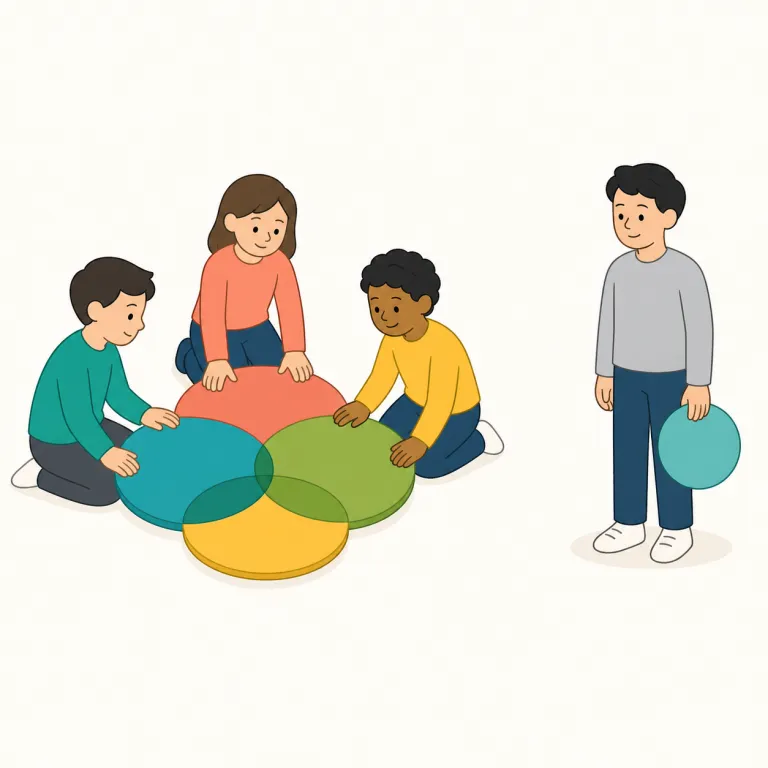
かみ合い解除、切り離し
noun 名詞機械の歯車、クラッチ、連結装置などがかみ合った状態から外れること、または外す操作を指す。人が活動や関係から身を引く意味とは異なり、動力や接続が物理的に切られる場面で使われる。
何かから身を引くこと、あるいは活動や関係から退くこと。心理学では感情的な距離を置くことも意味する。
Disengagement means becoming separated from involvement, connection, or active participation. It can be used for emotional distance, leaving a discussion or activity, or withdrawing in political or military situations. The word often suggests a gradual or deliberate pulling back.
まず engage「関わる・参加させる」を軸に置くと覚えやすいです。engagement は「関与・参加」、そこに dis- が付くと『関わりがほどける』感覚になり、-ment で状態名詞になります。単なる物理的な離脱だけでなく、仕事や学習への気持ちが切れた状態にもよく使われ、employee disengagement のような形が頻出。withdrawal より『関与が薄れる』感じで、disagreement と見間違えないよう語幹 engage を意識すると定着します。
Build it from `engage` first: if you engage, you get involved. Add `dis-` for the idea of pulling away, and `-ment` for the state or process. This makes it easy to remember phrases like `employee disengagement`, where involvement fades rather than stopping suddenly.
His disengagement from the project was sudden and unexplained.
彼のプロジェクトからの離脱は突然で説明がなかった。
The therapist addressed his disengagement from social activities.
セラピストは彼の社会活動からの離脱に対処した。
Disengagement from toxic relationships is often necessary for mental health.
心の健康を保つには、不健全な人間関係から距離を置くことが必要な場合が多い。
文脈によって、次の意味でも使われます。
機械の歯車、クラッチ、連結装置などがかみ合った状態から外れること、または外す操作を指す。人が活動や関係から身を引く意味とは異なり、動力や接続が物理的に切られる場面で使われる。
disengagement はフランス語由来の engage に、反対・分離を表す接頭辞 dis- と名詞化の -ment が付いた語です。engage は en-「中へ」+gage「担保」から来て「縛りつける」が原義で、そこから「関わりを解く→離脱」の意味になります。関連語は engage, engagement。
Disengagement is built from engage, with the prefix dis- meaning reversal or separation, and the noun ending -ment. Engage came through French and originally had the sense of binding or pledging something. From that idea, disengagement developed the meaning of becoming free from involvement or connection.
この英単語をクイズで覚えよう