意味一覧 (2件)
関係があると認めない、自分のものと認めない
解説 Definition
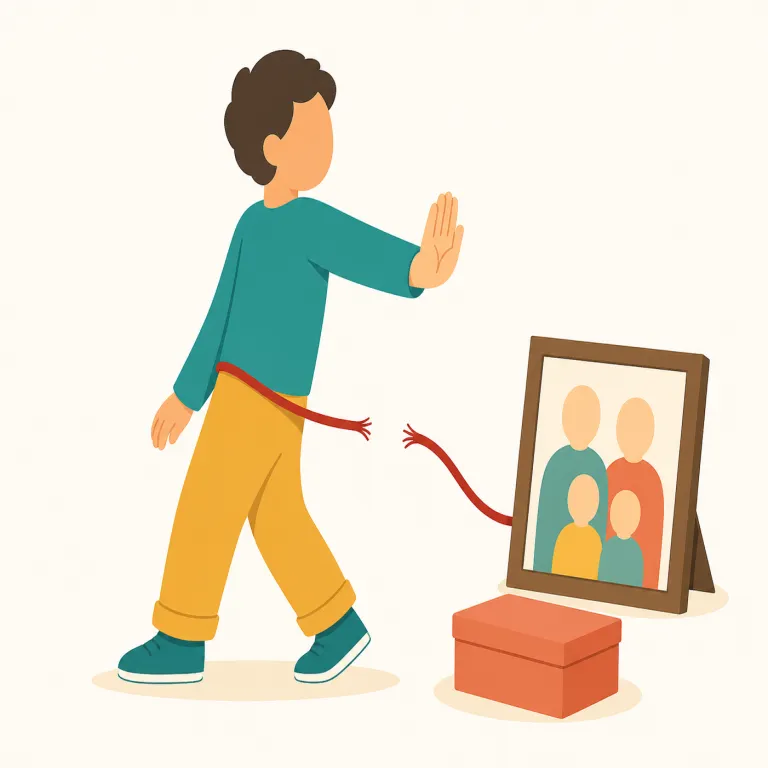
人や物、言ったことなどについて、自分と関係があるとは認めないことを表します。家族や持ち物、自分の発言などを「自分のものではない」「自分とは関係ない」とはっきり言うときに使います。
To disown someone or something means to refuse to admit that they are connected with you or belong to you. It can be used when someone says a person, thing, or statement is not theirs.
覚え方のコツ Memory Tip
disown は dis-「否定する」+ own「自分のものと認める」と分け、「人・物・発言を自分に属するものとして認めない」と押さえます。単なる deny より、自分との所有・家族・発言上のつながりを公然と切る感じが強く、目的語を直接取る他動詞です。disown a relative、disown a comment、disown an object の型で覚えましょう。名前の書かれた札から自分へ伸びる線を本人が消し、「これは私のものでも関係者でもない」と宣言する場面を思い浮かべると、関係や帰属を否認する語義が定着しやすいです。
Own means to accept something as yours. Add dis-, meaning not or opposite, and disown means not to accept it as yours.
例文
He tried to disown the rude comment he had made.
彼は自分が言った失礼なコメントを自分のものだと認めないようにしました。
The owner disowned the damaged bag.
持ち主はその傷ついたかばんを自分のものだと認めませんでした。
She did not disown her brother, even after the mistake.
その失敗のあとでも、彼女は弟と関係がないとは言いませんでした。
勘当する
(意味 2)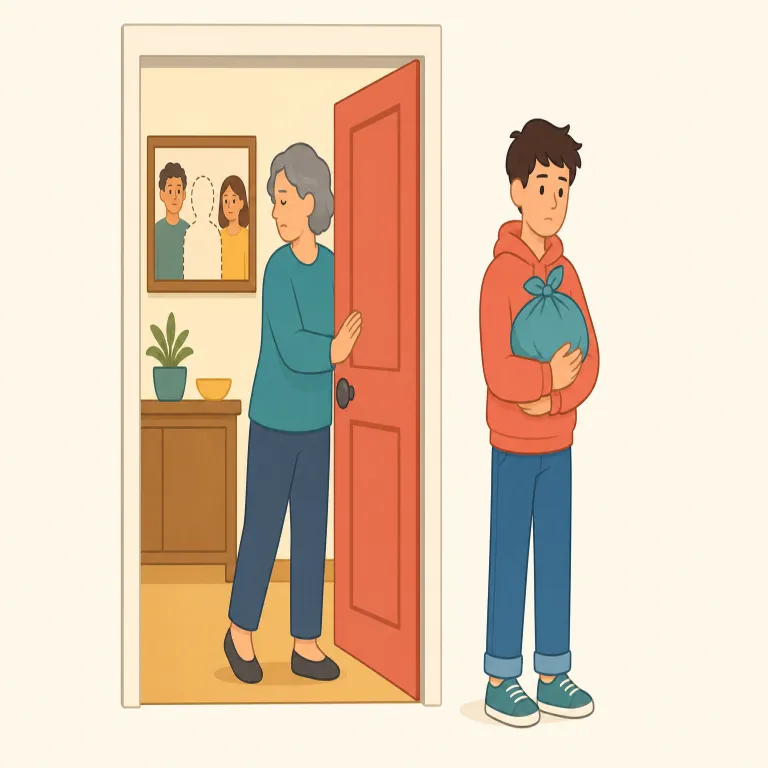
解説 Definition
親が子供を勘当する。関係を断絶して家族から追放する。
To disown someone means to refuse to accept them as part of your family or as connected to you. It can also mean refusing to accept responsibility for something, such as an action or opinion. The word is strong and often used in serious personal or public situations.
覚え方のコツ Memory Tip
own は「自分のものだと認める」。dis- が付く disown は、その逆で「自分とは関係ない、自分の側の人・物ではないと認める」。家族なら『うちの子ではない』と公に切り離す感じで、単に leave や abandon するより“つながりを否認する”のが核心。disown a son/daughter のほか、disown responsibility のように責任を否認する形でも出るので、「所有・責任・関係を own しない」とまとめて覚えると残りやすい。
The prefix `dis-` often gives a negative sense, and `own` suggests accepting someone as your own. So `disown` is a strong family word for refusing that bond. Remember it with phrases like `disowned by his family` or stories about inheritance and family breaks.
例文
His father decided to disown him after the scandal.
スキャンダルの後、彼の父は彼を勘当することにした。
She was disowned by her family for her choices.
彼女は自分で選んだ生き方を理由に家族から勘当された。
The wealthy businessman disowned his son and cut off his inheritance.
その富豪は息子を勘当して相続を打ち切った。
disown の類義語・関連語
disown の語源・成り立ち Etymology
dis- は「反対、否定」を表すことがあり、own は「自分のものと認める」という意味を持ちます。この二つが合わさって、「自分のものと認めない」という意味になりました。
Disown is made from dis-, a prefix that can mean "not" or "opposite," and own, meaning to accept as one's own. Together they give the idea of refusing to accept something as yours.
同じレベルの語彙をもっと
外部辞書で調べる
この英単語をクイズで覚えよう