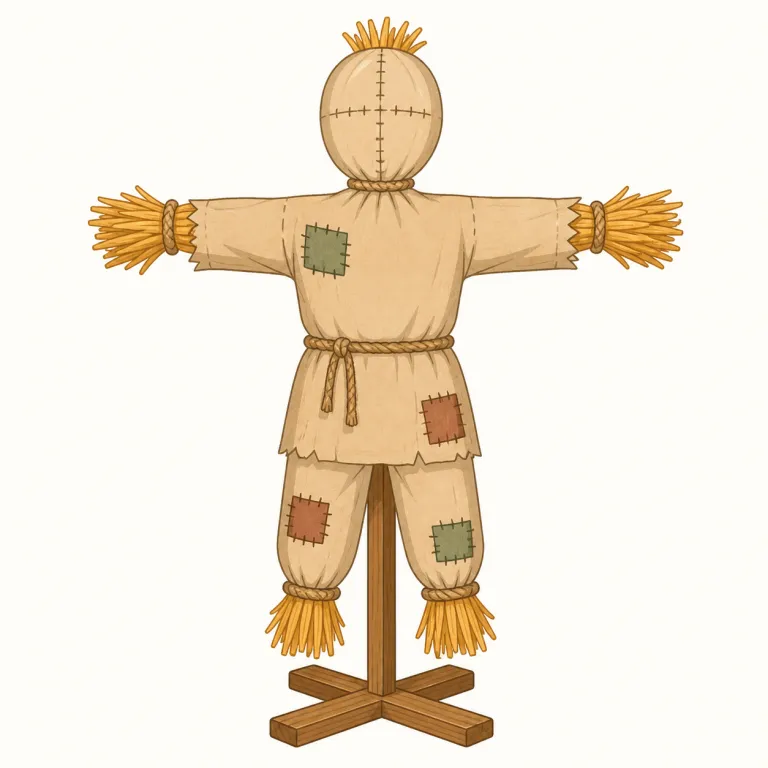
effigy
effigy は英検1級レベルの英単語で、「人形」という意味があります。発音記号は /ˈɛfədʒi/ です。
人形
解説 Definition
人間の容姿を模して作られた人形や像で、特定の人物を象徴的に表したり、その人物への思いを伝えたりするために用いられます。デモや儀礼の場で、その人物への抗議や追悼の意図を込めて燃やしたり並べたりすることもあります。必ずしも精巧ではなく、象徴性や感情を強調するような造形が多いです。
An effigy is a model or figure of a person, usually made to represent them in a symbolic way. It is often used in protests, ceremonies, or historical traditions, sometimes to show criticism or anger. The word is more formal than ordinary words like doll or figure.
覚え方のコツ Memory Tip
figure を知っていると覚えやすい語で、effigy は「人の姿をかたどった像・人形」。ただの doll や toy ではなく、特定の人物を象徴する点が重要です。ニュースでは burn an effigy of the leader の形で出やすく、抗議や儀式で“本人の代わりに扱われる像”を思い浮かべると残りやすいです。statue が単なる像、portrait が肖像なら、effigy は感情やメッセージを載せやすい身代わりの像、という違いで整理すると混同しにくくなります。
This word is close in feeling to `figure`. An `effigy` is not just any doll or statue; it is made to represent a particular person. A strong memory hook is the news phrase `burn an effigy of ...`. That helps you remember it as a symbolic human figure used in protest or ritual.
例文
The statue is an effigy of the founding father.
その像は建国の父をかたどったものです。
An effigy of the dictator was burned in protest.
独裁者を模した人形が抗議の場で燃やされた。
The museum displayed medieval effigies of kings and queens.
博物館では王と女王をかたどった中世の像が展示されていた。
effigy の類義語・関連語
effigy の語源・成り立ち Etymology
effigy はラテン語 effigies「写し像」が語源で、ex-「外へ」+ fingere「形づくる」から成ります。figure や fiction と同根で、頭の中の像を外に形として押し出したものが人形や肖像だと見えてきます。
Effigy comes from Latin effigies, meaning an image or likeness, from roots meaning "out" and "shape" or "form." The original idea was of giving outward form to a figure. It is related to English words like figure and fiction, which come from the same Latin root for shaping or forming.
同じレベルの英単語をもっと
英検1級の一覧へ →外部辞書で調べる
この単語を英単語クイズで覚えよう