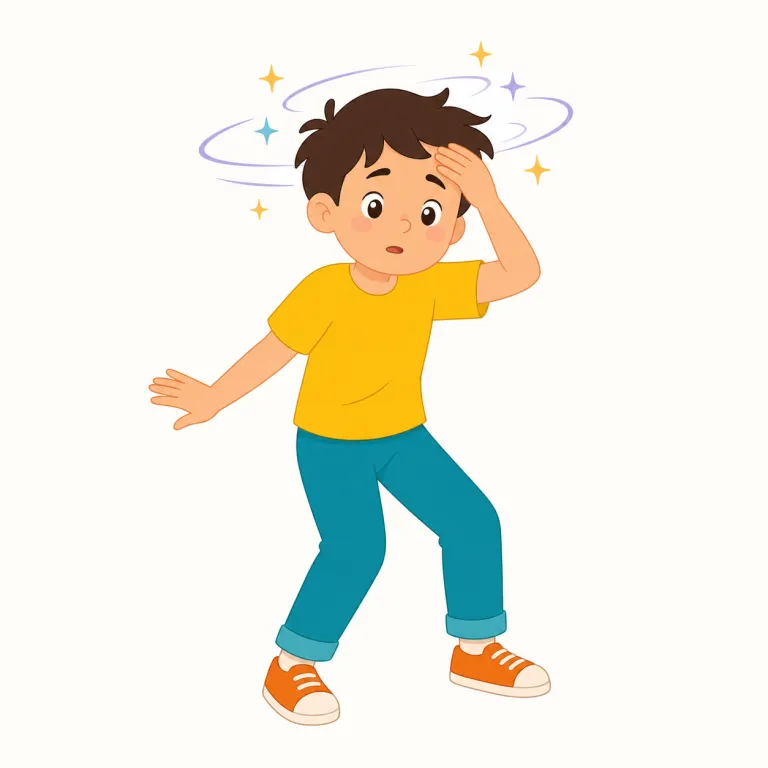
giddy
giddy は英検1級レベルの英単語で、「めまいがする、浮かれた、有頂天の」という意味があります。発音記号は /ˈɡɪdi/ です。
意味一覧 (2件)
めまいがする
解説 Definition
頭がくらくらして、バランスを失いそうな状態。めまいを感じたり、非常に高い場所にいるような不安定な感覚。また、極度の興奮や喜びで有頂天になった状態も表します。
If someone feels giddy, they feel slightly dizzy or light-headed, as if they may lose balance. It can also describe a very excited, silly feeling caused by happiness or strong emotion. It is common in everyday speech for both physical and emotional states.
覚え方のコツ Memory Tip
giddy は、まず似た基本語 dizzy(めまいがする)とセットで覚えると定着しやすいです。どちらも「頭がふわふわして安定しない」感覚ですが、giddy は physical なめまいだけでなく、うれしさや興奮で舞い上がる感じにもよく使われます。feel giddy, get giddy, be giddy with excitement の形が頻出。落ち着いた happy ではなく、足元が浮くようにテンションが上がっている語だと押さえるとよいです。
Learn it with the easier word `dizzy`. Both suggest an unsteady feeling, but `giddy` is often used when strong excitement makes your head feel light. Common patterns like `feel giddy` and `giddy with excitement` help fix it in memory.
例文
Looking down from the tall building made me feel giddy and lightheaded.
高いビルから下を見ると、めまいがしてふらふらした。
She felt giddy with excitement when she received the promotion.
彼女は昇進を知ったとき、興奮で舞い上がった。
The spinning carnival ride left everyone feeling giddy.
そのくるくる回る遊園地の乗り物で、みんなめまいを感じた。
浮かれた、有頂天の
(意味 2)
解説 Definition
giddy は、うれしさや興奮で気分が高まり、落ち着きを失うような様子を表す形容詞です。恋愛や成功、楽しい出来事の直後などに、うきうきして少し舞い上がっている場面でよく使われます。子どもっぽくはしゃぐ響きを帯びることもあります。
Feeling so happy or excited that you become unusually lively and lose some self-control. It can suggest a slightly childish or overexcited mood.
例文
She felt giddy with excitement before the concert.
コンサートの前に、彼女は興奮して浮かれていた。
He was giddy after hearing the good news.
その良い知らせを聞いて彼は有頂天だった。
They walked home in a giddy mood after their team won.
チームが勝ったあと、彼らは浮き立った気分で家に帰った。
giddy の類義語・関連語
giddy の語源・成り立ち Etymology
古英語 gidig「狂った、正気を失った」に由来し、もとは精神的にふらついた状態を表す語でした。giddiness や giddily と同根で、「頭が定まらない」という感覚から、今の「めまいがする・浮かれた」意味へ広がりました。
Giddy comes from Old English gidig, which meant "mad" or "out of one's mind." It first described a mentally unsteady state, then later came to suggest physical unsteadiness and a light, excited feeling. Related English words include giddiness and giddily.
同じレベルの語彙をもっと
英検1級の一覧へ →外部辞書で調べる
この英単語をクイズで覚えよう