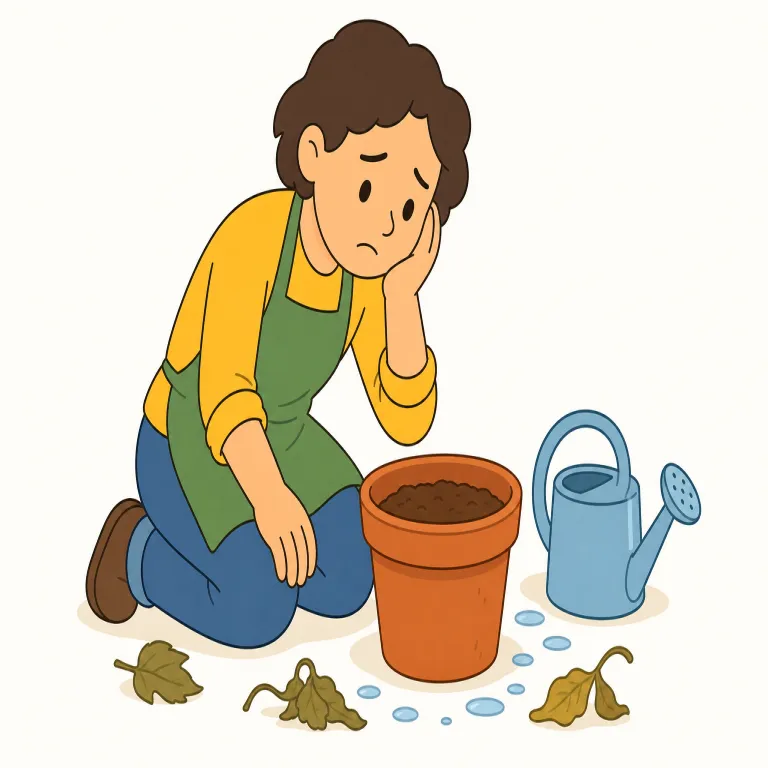
in vain
in vain は英検2級レベルの英熟語で、「無駄に」という意味があります。発音記号は /ˈɪn ˈveɪn/ です。
無駄に
解説 Definition
努力したにもかかわらず成果が得られず、結局無駄に終わること。
In vain means without success or without achieving the desired result. It is used when effort, time, or hope has been wasted because nothing changed. The expression often adds a feeling of disappointment or frustration.
覚え方のコツ Memory Tip
「vain」は単体だと見慣れなくても、vanity(うぬぼれ・むなしさ)を知っていると“中身がなく、実りがない感じ”につながります。だから in vain は「頑張ったが結果は空っぽ」まで含む表現。単なる「無駄に」より、努力や期待があったのに報われない場面で覚えると定着しやすいです。try in vain, wait in vain, all in vain の形でよく出るので、いつも“行為+in vain=結局成果なし”でまとめて覚えると強いです。
A useful link is `vanity`, which can suggest emptiness or no real value, and that helps with `vain`. So `in vain` is not just “without success” but “all the effort produced nothing.” It is easy to remember in common pairs like `try in vain`, `wait in vain`, and `all in vain`.
例文
They tried to rescue the climbers, but their efforts were in vain.
登山者を救助しようとしたが、その努力は無駄だった。
She searched for her lost ring in vain.
彼女は失くした指輪を探したが、無駄だった。
He waited for hours, but in vain — she never showed up.
彼は何時間も待ったが、無駄だった。彼女は現れなかった。
in vain の類義語・関連語
in vain の語源・成り立ち Etymology
in vain の vain は古フランス語 vain、さらにラテン語 vanus「空の・むなしい」にさかのぼります。中身が空なら努力も実を結ばないという感覚から「むだに」となりました。関連語は vanity、vainglorious で、どちらも「空虚さ」が土台です。
In vain uses vain, which came through Old French from Latin vanus, meaning "empty," "worthless," or "without substance." The basic idea is that something empty produces no real result. From there, the phrase came to mean doing something with no success or useful effect. Related words include vanity and vainglorious, which also keep the sense of emptiness underneath.
同じレベルの語彙をもっと
英検2級の一覧へ →外部辞書で調べる
この英熟語をクイズで覚えよう