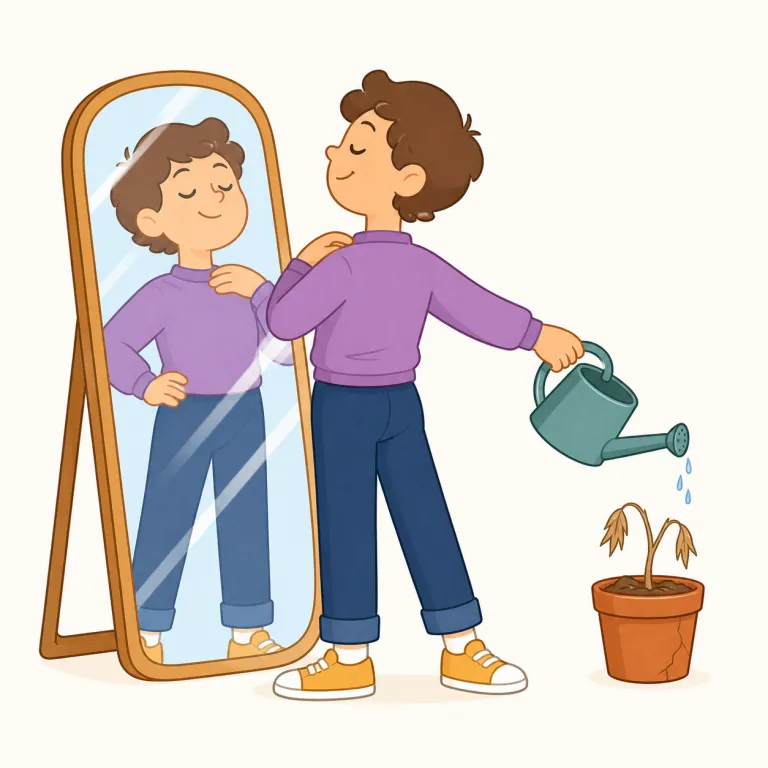
vain
vain は英検2級レベルの英単語で、「虚栄心の強い、うぬぼれた、無駄な」という意味があります。発音記号は /veɪn/ です。
虚栄心の強い、うぬぼれた、無駄な
解説 Definition
自分の外見や評価を過度に気にして、うぬぼれや虚栄心が強い様子を表します。また別の意味では、努力や期待などが成果につながらず「無駄な」「むなしい」という意味でも使われます。文脈によって性格を表す場合と、結果の出ない行為を表す場合があります。
Vain can describe someone who is too proud of their appearance, abilities, or importance. It can also mean that an effort had no result or was useless. The meaning depends on the context, so pay attention to what is being described.
覚え方のコツ Memory Tip
vain は vanity(虚栄心)を思い出せると定着しやすい語。人に使うと「見た目・能力・評判を気にしてうぬぼれる」で、単なる proud より「鼻につく」感じが強い。He is vain about his looks. のように about と結びつきやすい。一方、in vain は熟語で「むだに」、a vain attempt / hope は「実らない試み・期待」。性格を表す vain と、努力や期待が空振りになる vain を別の箱で覚えると混同しにくい。
Link vain with vanity. For people, vain often goes with looks, image, or praise: vain about his appearance. Keep a second box for in vain, which means the effort produced nothing.
例文
He was too vain to admit his mistakes.
彼はうぬぼれが強すぎて、自分の間違いを認められませんでした。
All our vain efforts to stop the leak failed.
水漏れを止めようとした私たちの努力はすべて無駄に終わりました。
She is vain about her appearance.
彼女は自分の見た目にひどくこだわっています。
vain の類義語・関連語
vain の語源・成り立ち Etymology
vain は古フランス語 vain を経て、ラテン語 vanus「空っぽの・中身のない」に由来する。中身がないことから「むなしい・無駄な」、さらに「うぬぼれた」という意味も生まれた。関連語は vanity, vanish。
Vain came into English through Old French vain, from Latin vanus, meaning "empty" or "without substance." The idea first developed into "useless" or "without real value," and later also into "too proud of oneself." Related words include vanity, and vanish comes from the same Latin root.
同じレベルの語彙をもっと
英検2級の一覧へ →外部辞書で調べる
この英単語をクイズで覚えよう