同型性
解説 Definition
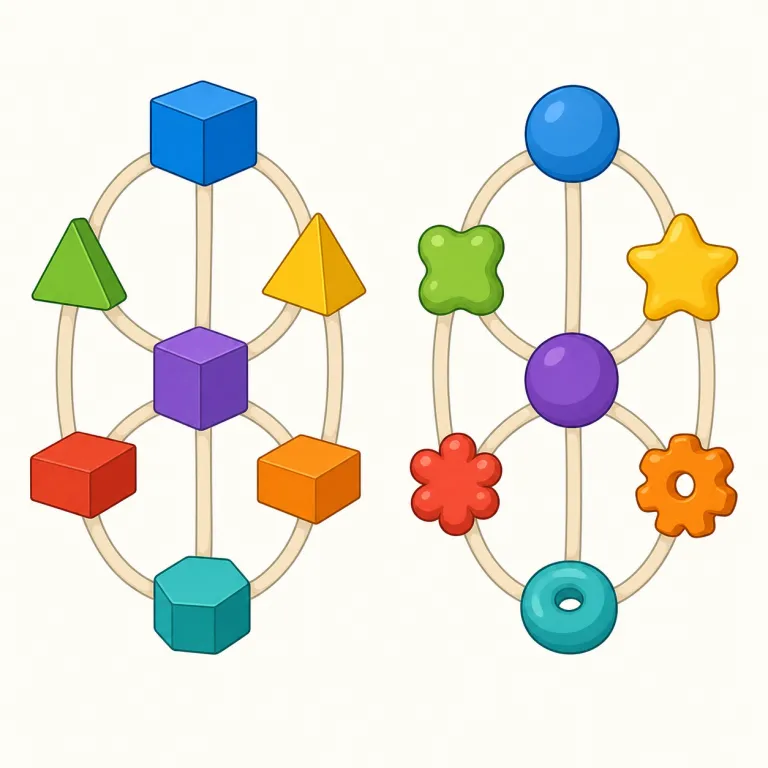
数学において、二つの構造が本質的に同じ形であることを示す対応関係。
Isomorphism is a relationship in which two systems or structures have the same form or arrangement, even if the parts are different. It is mainly used in mathematics, logic, and computer science. The idea is that the two things match in structure in a meaningful way.
覚え方のコツ Memory Tip
isomorphism は、iso- が付く語(isometric, isotope など)に出会うたび「同じ・等しい系の話」と結びつけ、morph は shape/form 系だとまとめて覚えると定着しやすいです。ただし数学では見た目が同じという意味ではなく、対応を取ると構造や関係が保たれることが核心です。equal や identical より『形を変えても本質は同じ』感覚を持つとよく、homomorphism は構造を保つ写像一般、isomorphism はそこからさらに完全対応まで言う、と対比すると混同しにくくなります。
Use the parts: `iso-` means “same,” and `morph` relates to form or shape. But in math, `isomorphism` is not just about looking the same; it is about keeping the same structure under a perfect matching. To remember it, think: the outside may change, but the deep pattern stays the same.
例文
The mathematician proved an isomorphism between the two algebraic structures.
その数学者は二つの代数構造の間の同型性を証明した。
Graph isomorphism is a fundamental problem in theoretical computer science.
グラフ同型性は理論計算機科学における基本的な問題である。
Understanding isomorphism helps students see that seemingly different structures can be fundamentally the same.
同型性を学ぶと、一見異なる構造が本質的には同じだと分かるようになる。
isomorphism の類義語・関連語
isomorphism の語源・成り立ち Etymology
ギリシャ語 isos「等しい」+ morphe「形」+ -ism「性質・体系」から成る語です。つまり「形が同じこと」で、見た目ではなく構造の対応が同じだと捉えると、数学での意味がすっと入ります。関連語は morphology, polymorph。
Isomorphism comes from Greek isos, meaning "equal," and morphe, meaning "form" or "shape." It is related to English words such as morphology and polymorph. The basic sense is "same form," and in later technical use it came to mean a matching structure rather than simple outward appearance.
同じレベルの語彙をもっと
外部辞書で調べる
この英単語をクイズで覚えよう