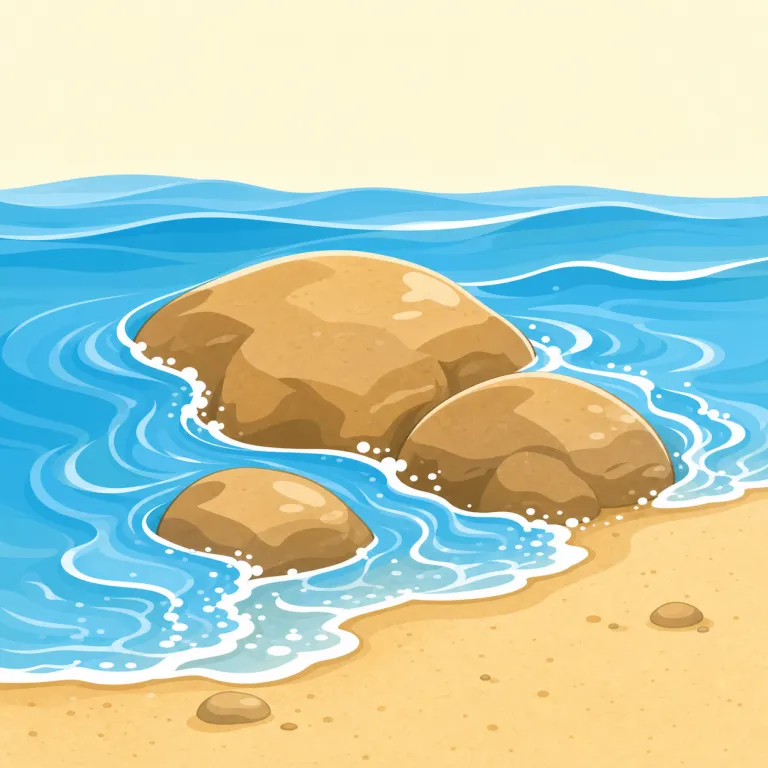
岸を洗う、打ち寄せる
verb 動詞水や波が岸、岩、船体などの表面を繰り返し覆ったり、それに沿って流れたりすることを表す文語的な用法です。人が汚れを落とす行為ではなく、水そのものの動きを描写します。
洗う、または沐浴するという意味の古い動詞です。水で体や部位を清潔にする行為を指します。
Lave means to wash or bathe something, especially by flowing water. It is a literary or formal word, and it can also describe water gently moving against a shore or surface.
まず身近な lavatory を足場にすると覚えやすいです。日常語の wash より文語的で、bathe に近いが、強くこするより「水がやさしく洗い流す」感じ。人を洗う場面だけでなく、the waves laved the shore のように、水や波が岸を洗う描写でも出ます。lav- を見たら「水で清める」場面を連想すると定着しやすいです。つづりは love と混同しやすいので、v の後は a ではなく e と確認すると崩れません。
Think of the `lav-` part in `lavatory`, which connects to washing with water. `Lave` sounds more literary than `wash` and often suggests water gently flowing over something. A good picture is waves laving the shore.
She would lave her hands in the cool stream water.
彼女はよく冷たい小川の水で手を洗っていた。
The ancient Romans would lave themselves in public baths daily.
古代ローマ人は日々公共浴場で身を洗っていた。
To lave oneself was a daily ritual in that culture.
身を洗うことはその文化において日常的な儀式だった。
文脈によって、次の意味でも使われます。
水や波が岸、岩、船体などの表面を繰り返し覆ったり、それに沿って流れたりすることを表す文語的な用法です。人が汚れを落とす行為ではなく、水そのものの動きを描写します。
lave は古フランス語 laver を経て、ラテン語 lavare「洗う・浴びる」にさかのぼります。水で体や物をやさしく洗い流す感覚がそのまま残っており、「洗い流す」という意味に直結します。関連語は lavatory、lavage です。
Lave came into English through Old French laver, from Latin lavare, meaning "to wash" or "to bathe." Its core sense has stayed very close to the original idea of washing with water. Over time it came to suggest gentle washing or flowing over something. Related words include lavatory and lavage.
この英単語をクイズで覚えよう