ランジ
noun 名詞片脚を前方や横方向へ大きく踏み出して両膝を曲げ、腰を落として元の姿勢へ戻る運動を指します。筋力トレーニングで脚や臀部を鍛える際に用いられ、突然の突進を表す用法とは異なります。
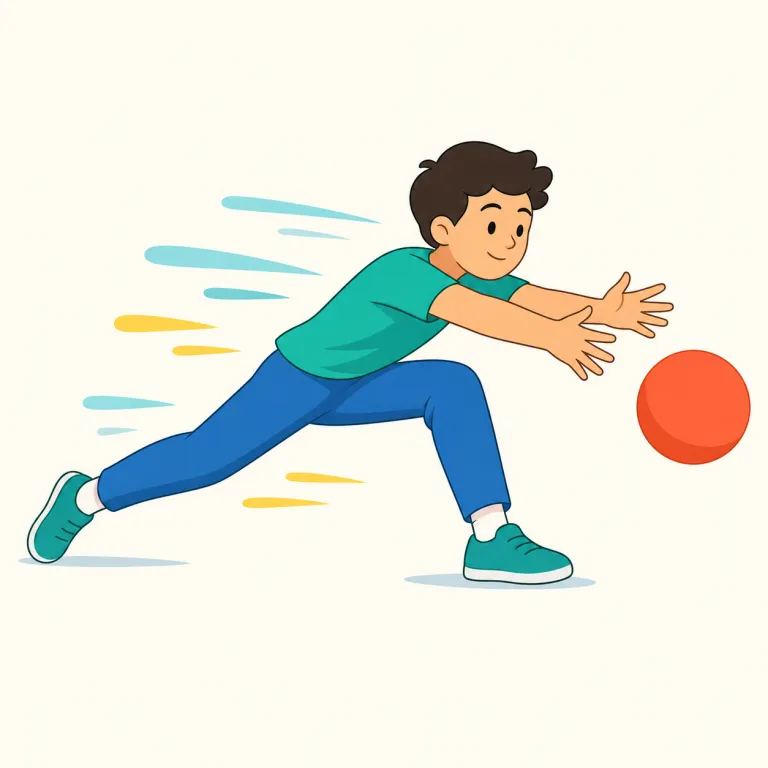
lunge は英検1級レベルの英単語で、「突進、踏み込み」という意味があります。発音記号は /lʌndʒ/ です。
相手や目標に向かって急に大きく踏み込む動きや、勢いよく身を乗り出す行為を指す名詞。フェンシングの前方への踏み込み、何かをつかもうとしてとっさに手や体を伸ばす動作、攻撃的な突進など、素早く前へ出る場面で広く使われる。
A lunge is a quick, sudden movement forward, often to attack, grab something, or reach it. It is also the name of a common exercise in which one leg steps far forward and the body lowers. The meaning depends on whether the context is action, sports, or fitness.
lunge は「一気に前へ出る動き」でまとめると覚えやすい語です。スポーツならフェンシングの踏み込み、日常なら何かを grab / catch しようとして体を急に乗り出す場面。ジムの lunge も片足を大きく前に出すので、核心は同じです。似た形の plunge は「下へ落ち込む」、launch は「打ち上げる・始める」で別物。a lunge at ... / lunge forward をまとまりで覚えると、前方への突進の語感が残ります。
`Lunge` is a strong, sudden move forward. Think of fencing, exercise lunges, or someone lunging to catch something. It helps to contrast it with `plunge`, which usually goes downward, not forward.
The fencer executed a perfect lunge to score a point.
フェンサーは得点するために完璧な踏み込みを見せた。
The boxer made a sudden lunge before throwing the knockout punch.
そのボクサーはノックアウトパンチを繰り出す前に、急に踏み込んだ。
She made a lunge for the falling glass, barely catching it in time.
彼女は落ちるグラスをつかもうととっさに身を乗り出し、間一髪で受け止めた。
文脈によって、次の意味でも使われます。
片脚を前方や横方向へ大きく踏み出して両膝を曲げ、腰を落として元の姿勢へ戻る運動を指します。筋力トレーニングで脚や臀部を鍛える際に用いられ、突然の突進を表す用法とは異なります。
もとはフェンシング語で、フランス語 allonger「伸ばす・突き出す」を短くした形です。語幹はラテン語 longus「長い」にさかのぼり、「体や剣を長く伸ばして前へ出る」イメージから lunge は「突進・踏み込み」になりました。関連語は long, prolong です。
Lunge first came from fencing language and is probably a shortened form related to French allonger, meaning "to stretch out" or "extend." That verb goes back to Latin longus, meaning "long." The central image is of stretching the body or weapon forward, which led to the idea of a sudden forward movement. Related English words include long and prolong.
この英単語をクイズで覚えよう