
mace
mace はTOEIC 860・TOEFL 80・IELTS 6.5レベルの英単語で、「催涙スプレー、香辛料のメース、棍棒状の打撃武器、権威を象徴する儀式用の杖」という意味があります。発音記号は /meɪs/ です。
催涙スプレー
解説 Definition
相手の目や皮膚を強く刺激し、一時的に行動を妨げる護身用・制圧用の化学スプレーを指す。通常は carry mace、spray someone with mace などの形で使われる。
Mace is a chemical irritant spray carried for self-defense or used to temporarily disable a person by causing intense irritation to the eyes and skin.
覚え方のコツ Memory Tip
小型容器から刺激性の液体を噴射する場面を思い浮かべ、carry mace、use mace、spray someone with mace の組み合わせで覚えます。この語義では歴史的な武器や香辛料ではなく、護身・制圧用のスプレーを表します。
Picture a small defensive spray canister. Learn this sense with carry mace, use mace, and spray someone with mace, distinguishing it from the weapon and spice senses.
例文
She carried mace in her bag for personal protection.
彼女は護身のためにバッグに催涙スプレーを入れていた。
The guard used mace when the attacker rushed toward him.
襲撃者が突進してきたため、警備員は催涙スプレーを使用した。
The officer warned the man before spraying him with mace.
警官は男性に警告してから催涙スプレーを噴射した。
香辛料のメース
(意味 2)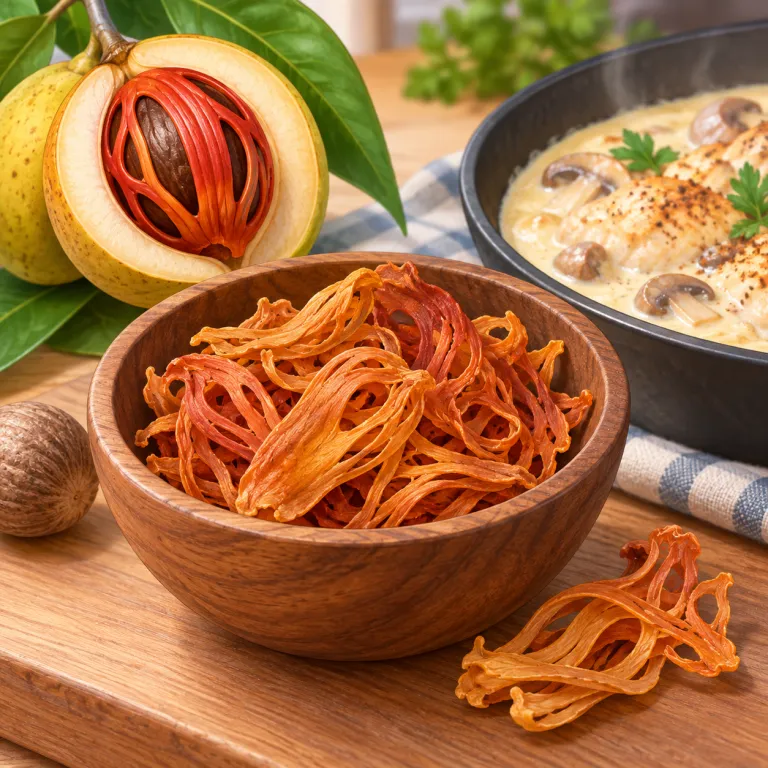
解説 Definition
ナツメグの種子を包む網目状の仮種皮を乾燥させて作る香辛料を指す。甘く温かな香りがあり、焼き菓子、ソース、肉料理などの風味付けに使われる。
Mace is an aromatic spice made from the dried, lacy covering around the nutmeg seed and used to flavor both sweet and savory foods.
覚え方のコツ Memory Tip
ナツメグの種を包む赤い網目状の部分を乾燥させた香辛料が mace。a pinch of mace「メースをひとつまみ」のように、ケーキ、クリームソース、肉料理へ甘く温かな香りを添える場面で使う。同じつづりで歴史的な打撃武器も指すため、cook、aroma、sauce など料理の語を手掛かりに区別する。
Picture the lacy covering around a nutmeg seed being dried and ground. Cooking phrases such as ground mace and a pinch of mace identify this sense.
例文
The cook added a pinch of mace to the cream sauce.
料理人はクリームソースに香辛料のメースをひとつまみ加えた。
Mace gives the cake a warm, delicate aroma.
メースはそのケーキに温かく繊細な香りを添える。
The recipe calls for ground mace and a little ginger.
そのレシピでは粉末のメースと少量のショウガを使う。
棍棒状の打撃武器
(意味 3)
解説 Definition
重い金属製の頭部を柄に取り付け、相手を殴るために用いた歴史的な打撃武器を指す。刃で切る武器ではなく、重さと衝撃によって打撃を与える。
A mace is a historical hand weapon consisting of a heavy head fixed to a handle and used to strike an opponent.
覚え方のコツ Memory Tip
柄の先に重い金属製の頭部を付け、切るのではなく重量と衝撃で相手を殴る歴史的な武器が mace。knight「騎士」、iron「鉄製」、shield「盾」と共に出れば、この武器の意味だと判断できる。同じつづりの香辛料もあるが、ここでは料理ではなく戦闘の場面を思い浮かべる。
Picture a medieval hand weapon with a heavy metal head on a handle. Its defining action is striking rather than cutting or spraying.
例文
The knight raised his mace above his head.
騎士は棍棒状の打撃武器を頭上に振り上げた。
A heavy iron mace lay beside the damaged shield.
重い鉄製の打撃武器が壊れた盾のそばに置かれていた。
The museum displayed a medieval mace with a flanged head.
博物館には突起のある頭部を持つ中世のメイスが展示されていた。
権威を象徴する儀式用の杖
(意味 4)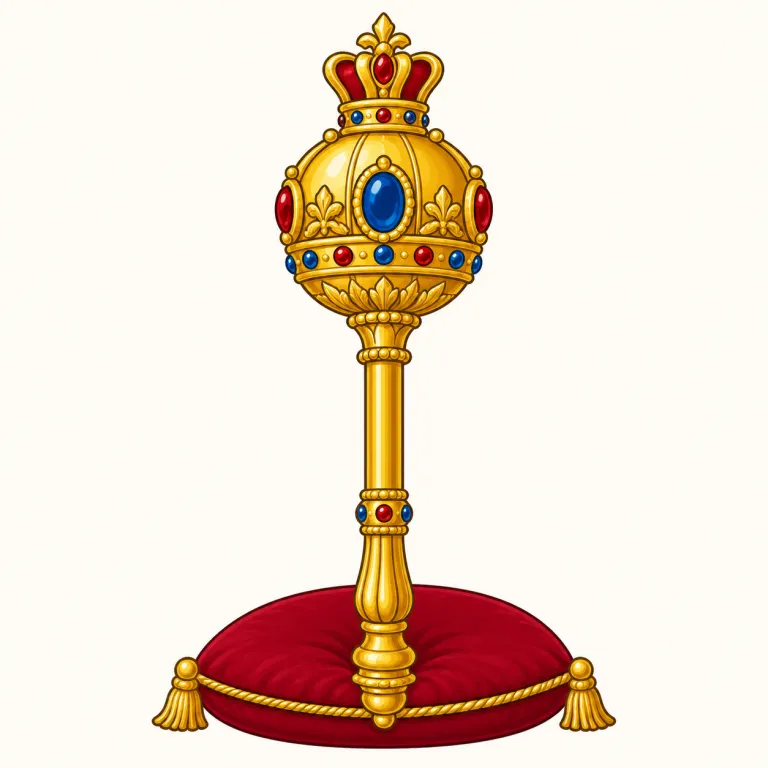
解説 Definition
公的な式典や行列、議会などで掲げられる装飾的な杖で、君主、議会、大学などの制度的な権威を象徴する。実際に戦うための武器ではなく、儀礼上の標章を指す。
A mace is an ornamented staff carried or displayed during formal ceremonies as a symbol of public or institutional authority.
覚え方のコツ Memory Tip
ceremonial mace というまとまりで、行列や議場に置かれる装飾的な杖を思い浮かべます。打撃用の武器ではなく、公的な権威がそこにあることを示す標章です。
Learn the phrase ceremonial mace and picture an ornamented staff carried in a procession or placed in a chamber to represent official authority.
例文
The ceremonial mace was carried at the head of the procession.
権威を象徴する儀式用の杖が行列の先頭で運ばれた。
The mace was placed before the presiding officer when the session began.
会議が始まると、その儀式用の杖が議長の前に置かれた。
The university displays its silver mace at formal ceremonies.
その大学は正式な式典で銀製の儀式用の杖を披露する。
mace の類義語・関連語
mace の語源・成り立ち Etymology
このスプレー義は商品名 Chemical Mace に由来し、その名称は打撃武器の mace を連想させるものだった。のちに護身用の刺激性スプレーを指す用法として広まった。
The spray sense arose from the proprietary name Chemical Mace, whose name evoked the striking weapon. It later came to be used more broadly for defensive irritant spray.
同じレベルの語彙をもっと
TOEIC 860の一覧へ →外部辞書で調べる
この英単語をクイズで覚えよう