neutralize
neutralize は英検1級レベルの英単語で、「中和する、無力化する」という意味があります。発音記号は /ˈnuːtrəˌlaɪz/ です。
意味一覧 (2件)
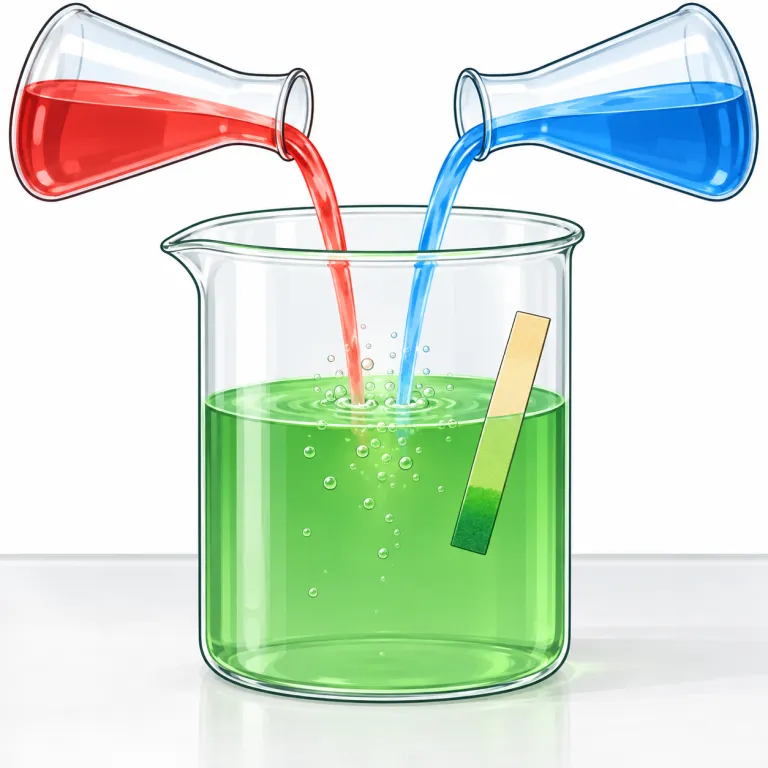
中和する
解説 Definition
酸とアルカリを化学反応させて相互に中和させることを指す。さらに、相反する二つの力や影響を意図的に相殺してバランスをとることも意味する。
To neutralize means to stop the effect of something or make it harmless. It can be used in chemistry, such as when an acid and a base cancel each other out, or more generally when a threat, influence, or advantage is removed. The word suggests bringing something to a balanced or inactive state.
覚え方のコツ Memory Tip
neutral を知っていれば、「どちらにも偏らない=真ん中の状態にする」が核。そこから、酸とアルカリを打ち消して中性に近づける場面をまず思い出すと定着しやすい。さらに neutralize a threat / opponent / effect のように、脅威・相手・影響を“効かなくする”意味にも広がる。cancel が予定や契約を取り消す語なのに対し、neutralize は反対の力を当てて相殺・無力化する語、と区別すると覚えやすい。
Start with `neutral`: neither side has the advantage. `Neutralize` means make something neutral by balancing or cancelling its force. That is why it works for both chemistry and phrases like `neutralize a threat`.
例文
The base will neutralize the acid in the solution.
その塩基は溶液中の酸を中和する。
They used baking soda to neutralize the spilled chemical.
彼らはこぼれた化学物質を中和するために重曹を使用した。
The medication helps to neutralize stomach acid.
その薬は胃酸を中和するのに役立つ。
無力化する
(意味 2)
解説 Definition
効果や力をなくす、または無効にすることを意味する。相手の力を削ぐ、有害な影響を減弱させるなど、多くの場面で使用される。
To neutralize something means to stop it from having an effect or to make it harmless. It is often used for threats, dangers, chemicals, or opposing forces. In formal contexts, it can also mean bringing something back to a balanced or inactive state.
覚え方のコツ Memory Tip
neutralize はまず neutral「中立の」を思い出すと覚えやすいです。そこに -ize「〜の状態にする」が付いて、「力や効き目を中立化する→無力化する」と捉えると意味がつながります。人そのものを消すというより、threat・opponent・acid・effect などの脅威や作用を使えなくする語です。cancel が予定や効果を取り消す感じ、eliminate が完全排除寄りなのに対し、neutralize は“働けない状態にする”ニュアンスが核です。
Start with `neutral`, which means not taking either side. Add `-ize`, meaning "make," so `neutralize` is to make something neutral so it cannot act strongly. It often goes with words like `threat`, `enemy`, `acid`, or `effect`, which helps fix the pattern in memory.
例文
The medication was designed to neutralize the effects of the poison.
その薬は毒の作用を打ち消すように作られていた。
The team developed a strategy to neutralize their opponent's strength.
チームは相手の強みを封じる戦略を立てた。
Adding the base helped to neutralize the acid in the solution.
塩基を加えることで、溶液中の酸を中和できた。
neutralize の類義語・関連語
類義語
派生語
neutralize の語源・成り立ち Etymology
neutralize は neutral「中立の」に -ize「〜にする」が付いた語。neutral はフランス語を経てラテン語 neutralis、さらに ne-「〜でない」+ uter「二つのうちどちらか」にさかのぼり、『どちらにも属さない状態にする』から『中和する』になった。関連語は neutral, neuter。
Neutralize comes from neutral plus the ending -ize, meaning "make" or "cause to become." Neutral came through French from Latin neutralis, built from ne- "not" and uter "either of two," so it originally meant belonging to neither side. From the idea of making something belong to neither side, the word developed into senses like making an effect disappear or making substances balance each other.
同じレベルの語彙をもっと
英検1級の一覧へ →外部辞書で調べる
この英単語をクイズで覚えよう