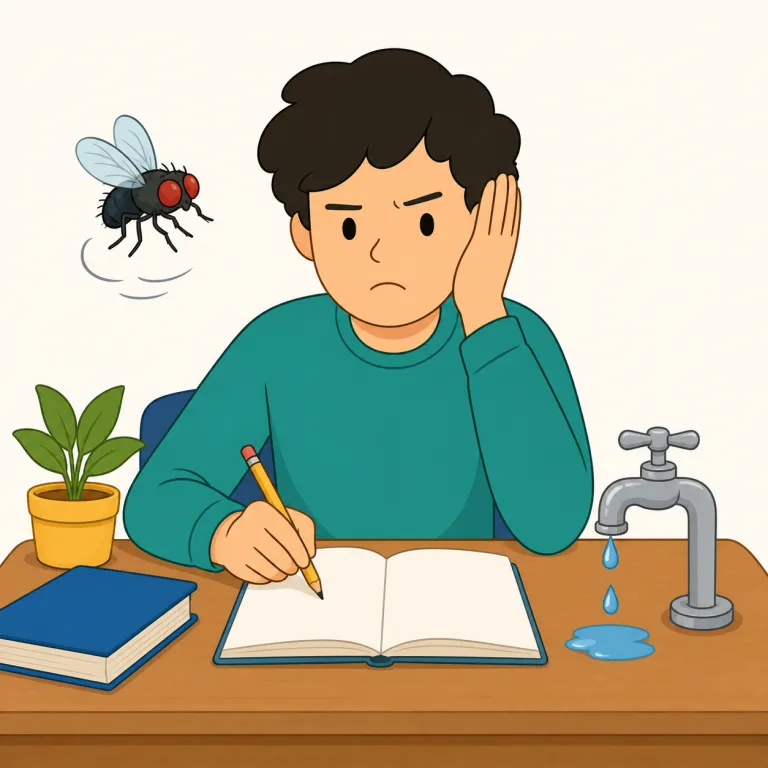
nuisance
nuisance は英検準1級・TOEIC 860・TOEFL 80・IELTS 6.5レベルの英単語で、「迷惑」という意味があります。発音記号は /ˈnuːsəns/ です。
迷惑
解説 Definition
迷惑とは、他人や周囲に不便や不快感を与える人・物・状況のことを指します。日常生活において障害や煩わしさをもたらすものに対して使われる言葉です。法律的には、他者の権利や快適さを侵害する行為や状態を指すこともあります。
A nuisance is a person, thing, or situation that causes annoyance or trouble. It is used for problems that may not be serious but are unpleasant or inconvenient. The word often describes repeated small difficulties.
覚え方のコツ Memory Tip
まず「迷惑そのもの」より「うっとうしい厄介者」として覚えると定着しやすい語です。深刻な被害より、日常のイライラや不便を起こす人・物・状況に使われ、problem や trouble より annoyance に近い感触があります。よく a nuisance, be a nuisance, a public nuisance, noise nuisance の形で出てきます。noxious は「有害な」、nuisance は「迷惑な存在」で別物として区別すると混同しにくいです。
Think of nuisance as something or someone that keeps bothering you in daily life. It is often closer to annoyance than to a serious disaster. Useful patterns like "a nuisance" and "public nuisance" help the word stay in memory.
例文
The neighbor's loud music was a nuisance at night.
夜は隣の家の大音量の音楽が迷惑だった。
Mosquitoes are a nuisance during outdoor events in the summer.
夏の屋外イベントでは蚊が迷惑な存在だ。
He knew he was a nuisance and said sorry.
彼は自分が迷惑をかけていると気づき、謝った。
えいたんごクイズでの正答率
この語をはじめて出題された 30人 のうち 11人 が正解しました(37%)。
えいたんごクイズの回答から集計した独自データです。1人につき最初に出題されたときの1回だけを数えており、復習や2回目以降の回答、「わからない」と時間切れは含みません。 集計時点は 2026年9月19日 です。
nuisance の類義語・関連語
類義語
紛らわしい語
nuisance の語源・成り立ち Etymology
nuisance は古フランス語 nuisance に由来し、さらに nuire「害する」からラテン語 nocere「害を与える」へさかのぼります。だから『迷惑』は本来『人に害を及ぼすもの』という感覚です。関連語に noxious、innocuous があります。
Nuisance comes from Old French nuisance, from nuire, "to harm," which goes back to Latin nocere, also meaning "to harm." So the word originally had the strong sense of something harmful, not just mildly annoying. Related English words from the same root include noxious and innocuous.
同じレベルの語彙をもっと
英検準1級の一覧へ →外部辞書で調べる
この英単語をクイズで覚えよう