
menace
menace は英検1級・TOEIC 990・TOEFL 100・IELTS 7.5レベルの英単語で、「脅威、厄介者、脅かす」という意味があります。発音記号は /ˈmɛnəs/ です。
意味一覧 (2件)
脅威
/ verb 動詞 脅かす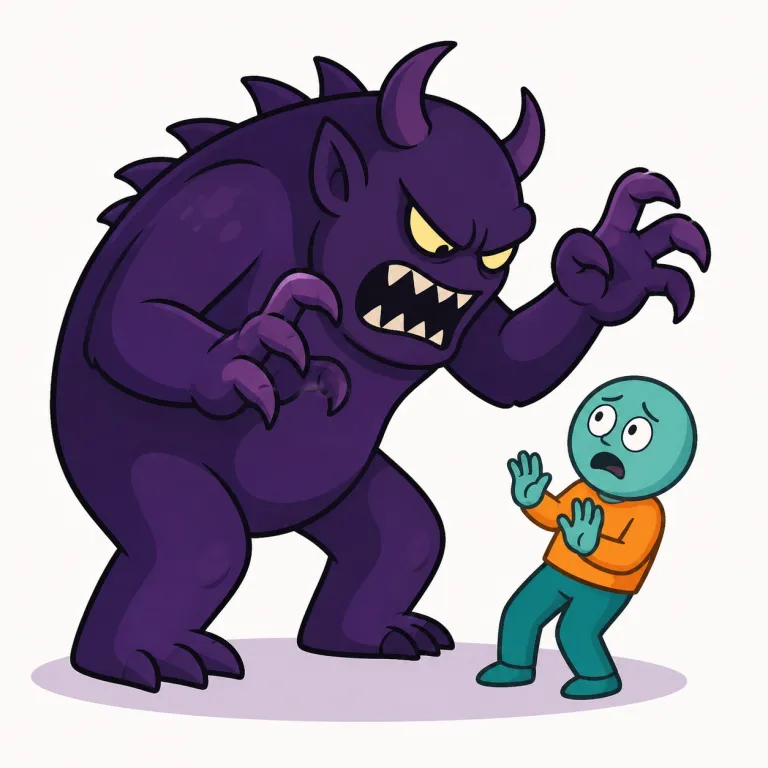
解説 Definition
脅威とは、危険や害をもたらす可能性のあるもの、またはそのような状態のことです。何かまたは誰かが脅かすほどの危険を表します。
A menace is a person or thing that causes danger, trouble, or fear. It is used for serious threats, such as crime or disease, and also for people who behave in a harmful or annoying way. The word often suggests that something may cause problems if it is not stopped.
覚え方のコツ Memory Tip
menace は「なんとなく危ない」ではなく、実際に人や社会に害を及ぼしかねない“脅威そのもの・厄介な存在”を指す語。形容詞 menacing「威嚇的な」とセットで覚えると定着しやすい。a serious menace, pose a menace to society, nuclear menace などの形で出やすい。danger が広い「危険」なのに対し、menace は人をおびやかす原因や存在という輪郭がはっきりしており、threat に近いが不穏さが前面に出やすい。
Learn it together with `menacing`. If something is `menacing`, it gives a threatening feeling, and a `menace` is the threatening person or thing itself. It often appears in phrases like `a serious menace` or `a menace to society`. Compared with `danger`, it sounds more like a clear source of fear or harm.
例文
Climate change is a major menace to the planet.
気候変動は地球への大きな脅威です。
The disease is a menace to public health.
その病気は公衆衛生への脅威です。
He became a menace to society after committing the crime.
彼は犯罪を犯した後、社会への脅威になりました。
えいたんごクイズでの正答率
この語をはじめて出題された 35人 のうち 25人 が正解しました(71%)。
えいたんごクイズの回答から集計した独自データです。1人につき最初に出題されたときの1回だけを数えており、復習や2回目以降の回答、「わからない」と時間切れは含みません。 集計時点は 2026年9月19日 です。
厄介者
(意味 2)
解説 Definition
人や物が周囲に継続的な迷惑をかけ、放っておくと面倒を起こしそうな存在を指す名詞。日常会話で、手に負えない子どもや近所迷惑な人物、扱いにくい状況などを指して、大げさ気味に『厄介者だ』と言うときによく使う。
A person or thing that repeatedly causes trouble or annoyance for others. In everyday conversation, this noun is often used with exaggeration for someone or something difficult to control.
例文
That kid is a real menace in class.
あの子は授業中ほんとうに厄介者だ。
The broken alarm rang all night and became a neighborhood menace.
壊れた警報機は一晩中鳴り続け、近所の厄介な存在になった。
The seagulls were a menace at the beach cafe.
そのカモメたちは浜辺のカフェでは厄介者だった。
menace の類義語・関連語
menace の語源・成り立ち Etymology
menace は古フランス語 menace「脅し」を経て、ラテン語 minae「脅迫・危険な突き出し」にさかのぼります。もともと“前に突き出して相手をおびやかすもの”という感覚があり、脅威の意味になりました。関連語は menacing, minatory です。
Menace came into English through Old French menace, from Latin minae, meaning "threats" or "projecting dangers." The older image may have been something jutting out in a threatening way. From that sense of something that frightens or hangs over someone, the word developed its modern form; menacing and minatory are related.
同じレベルの語彙をもっと
英検1級の一覧へ →外部辞書で調べる
この英単語をクイズで覚えよう