ひいきにする、利用する
verb 動詞英国式綴りで、動詞 patronise の現在分詞として、店・ホテル・芸術施設などを客や支援者として継続的に利用・援助することを表します。人を見下す形容詞用法とは異なり、patronising local businesses のように目的語を直接取ります。
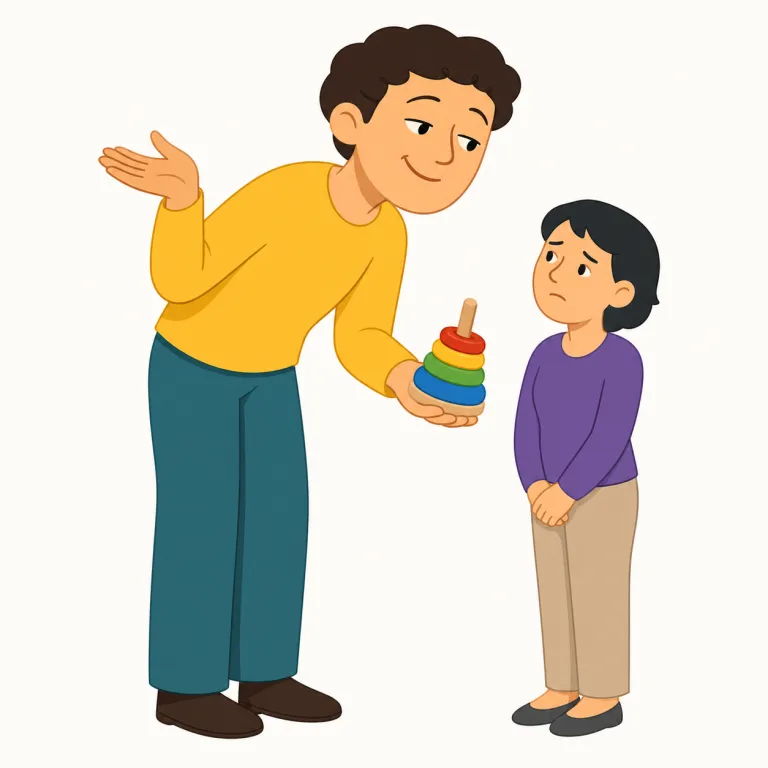
patronising はTOEIC 860・TOEFL 80・IELTS 6.5レベルの英単語で、「恩着せがましい」という意味があります。発音記号は /ˌpeɪtrəˈnaɪzɪŋ/ です。
恩着せがましい、または優越感を伴う態度で人に接することを表す形容詞です。相手を下に見て、自分が上の立場にあるかのような高慢な態度を表現し、失礼な対応を示しています。
If someone is patronising, they speak or behave in a way that seems kind but actually shows they think they are better or more knowledgeable than others. It is often used for attitudes that feel disrespectful or condescending. In American English, this is usually spelled "patronizing."
patronising は、表面上は help や kind に見えても、実際は相手を子ども扱いして下に置く感じで覚えると残りやすい。patron は「支える側・後ろ盾」の語なので、『守ってあげる側』の目線が強すぎて上からになる、と結びつける。a patronising tone / smile / attitude が頻出。condescending に近いが、patronising は世話を焼いてあげる顔つきの恩着せがましさが出やすい。
Start from `patron`, a person who supports or protects others. `Patronising` is easy to remember as acting too much like the "helper" above everyone else. The key image is a voice or smile that sounds kind on the surface but talks down to someone. Common pairs are `a patronising tone` or `a patronising smile`.
His patronising tone upset everyone in the meeting.
彼の恩着せがましい口調に、会議の出席者全員が不快な思いをした。
She gave a patronising smile to the young employee.
彼女は若い従業員に見下すような笑みを向けた。
I don't appreciate his patronising attitude.
私は彼の恩着せがましい態度を好ましく思わない。
文脈によって、次の意味でも使われます。
英国式綴りで、動詞 patronise の現在分詞として、店・ホテル・芸術施設などを客や支援者として継続的に利用・援助することを表します。人を見下す形容詞用法とは異なり、patronising local businesses のように目的語を直接取ります。
patronising は patron「後援者・保護者」+ -ise から。patron はラテン語 patronus、さらに pater「父」に由来し、patronage や paternal も同根なので、「父親ぶって扱う」が恩着せがましい意味に傾いた。
Patronising comes from patronise, based on patron plus the verb ending -ise. Patron comes through Latin patronus and is related to pater, meaning "father," the same root seen in paternal and patronage. The idea shifted from acting like a protector or sponsor to treating someone in a superior, father-knows-best way.
この英単語をクイズで覚えよう