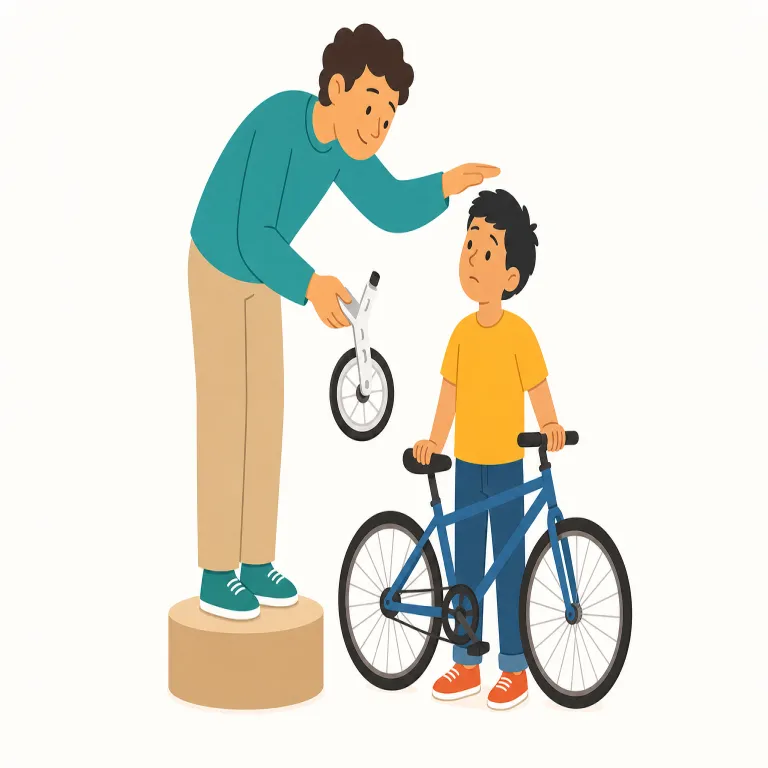
condescending
condescending は英検1級レベルの英単語で、「見下したような」という意味があります。発音記号は /ˌkɑːndɪˈsɛndɪŋ/ です。
見下したような
解説 Definition
他者に対して傲慢で失礼な態度を示すこと。相手を自分より下に見ているという印象を与える、見下すような言動のことです。
Condescending describes a way of speaking or behaving that shows you think you are better or more intelligent than someone else. It is often used when a person sounds polite on the surface but actually shows disrespect. The word has a clearly negative meaning.
覚え方のコツ Memory Tip
descending に descend を見つけると覚えやすいです。会話では、相手と同じ目線に下りるというより、上の立場から下へ話しかける感じで、talk down to someone にかなり近い語です。a condescending tone / smile / attitude の形でよく出て、表面上は丁寧でも相手を子ども扱いしている響きがあります。arrogant が露骨な傲慢さなら、condescending は親切そうに見えて見下しがにじむタイプ、と対比で覚えると残ります。
Notice the part `descending`, from `descend`, and picture someone speaking from above down to another person. A `condescending` tone sounds polite on the surface, but it carries the feeling of `talking down to` someone. It is different from plain arrogance because it often hides the insult under fake kindness.
例文
His condescending tone suggested he thought he was superior to everyone else.
彼の見下したような口調から、自分は誰よりも優れていると思っていることがうかがえた。
She found his condescending remarks about her work quite offensive.
彼女は、自分の仕事を見下すような彼の発言を非常に不快に感じた。
The professor's condescending attitude toward students discouraged them from asking questions.
教授が学生を見下すような態度を取ったため、学生たちは質問しづらくなった。
condescending の類義語・関連語
condescending の語源・成り立ち Etymology
condescending は後期ラテン語 condescendere に由来し、con-「共に」+ de-「下へ」+ scend「登る・下る」です。descend や ascend と同じ語根で、相手の所まで「下りる」が、今では上位者ぶる見下した態度へ転じたとわかります。
Condescending comes from Late Latin condescendere, built from con- "with," de- "down," and scandere "to climb." It originally had the sense of coming down to another person's level. Over time, that idea shifted from polite lowering of oneself to the negative sense of acting superior while seeming to speak kindly; it is related to descend and ascend.
同じレベルの語彙をもっと
英検1級の一覧へ →外部辞書で調べる
この英単語をクイズで覚えよう