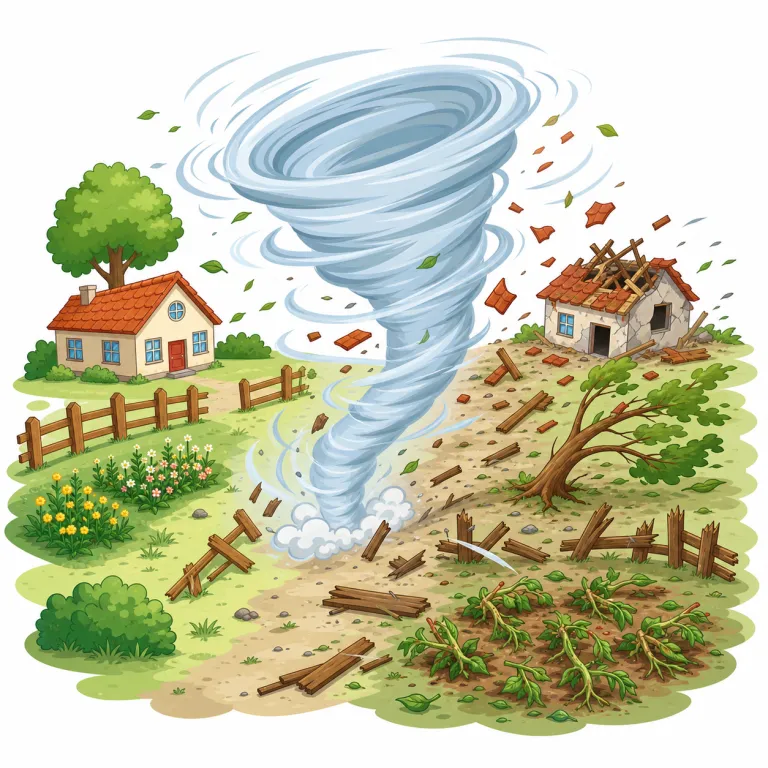
ravaging
ravaging はTOEIC 860・TOEFL 80・IELTS 6.5レベルの英単語で、「荒らしている、破壊している」という意味があります。発音記号は /ˈrævɪdʒɪŋ/ です。
荒らしている、破壊している
解説 Definition
ravage の現在分詞で、広い範囲をひどく破壊したり、深刻な害を与えたりしていることを表します。戦争、病気、火災、嵐などによる被害を述べるときによく使われます。
Ravaging means causing very serious damage, destruction, or harm over a wide area. It is often used for things like war, fire, disease, or storms that badly affect people, places, or nature.
使い方 Usage
- be ravaging の後に、被害を受ける町・地域などを置きます。is / was によって現在・過去の進行を示せます。 Put the affected town, region, or other object after be ravaging. Is ravaging describes ongoing destruction in the present; was ravaging describes it in the past.
- war、fire、disease、storm など、深刻な被害をもたらすものが主語によく使われます。 War, fire, disease, and storms commonly appear as subjects because they can cause serious destruction or harm.
覚え方のコツ Memory Tip
単に一つ壊すのではなく、町や地域に深い傷を残すイメージで覚えましょう。damage より強い被害を思い浮かべ、ravaging ではその破壊が進んでいる様子を捉えます。
Picture destruction leaving deep scars across a town or region, rather than damaging one object. Ravage suggests more serious harm than simple damage; ravaging helps you picture that destruction unfolding.
例文
The hurricane was ravaging the coastal areas.
ハリケーンは沿岸地域を荒らしていた。
Disease was ravaging the village.
病気が村に甚大な被害を与えていた。
Wildfires are ravaging the countryside this summer.
この夏、山火事が田園地帯に甚大な被害を与えている。
ravaging の類義語・関連語
派生語
ravaging の語源・成り立ち Etymology
ravagingはravageからで、フランス語ravager、さらにラテン語rapere「奪い去る」に由来します。単なる「荒らす」でなく、“奪うように根こそぎ持ち去る”感覚が核で、rapidやrapaciousも同じ語根です。
Ravaging comes from ravage, which entered English through French ravager. It goes back to Latin rapere, meaning "to seize" or "carry off." The word developed from the idea of violently taking things away to the sense of destroying or laying waste. Related English words from the same root include rapacious and rapid.
同じレベルの語彙をもっと
TOEIC 860の一覧へ →外部辞書で調べる
この英単語をクイズで覚えよう